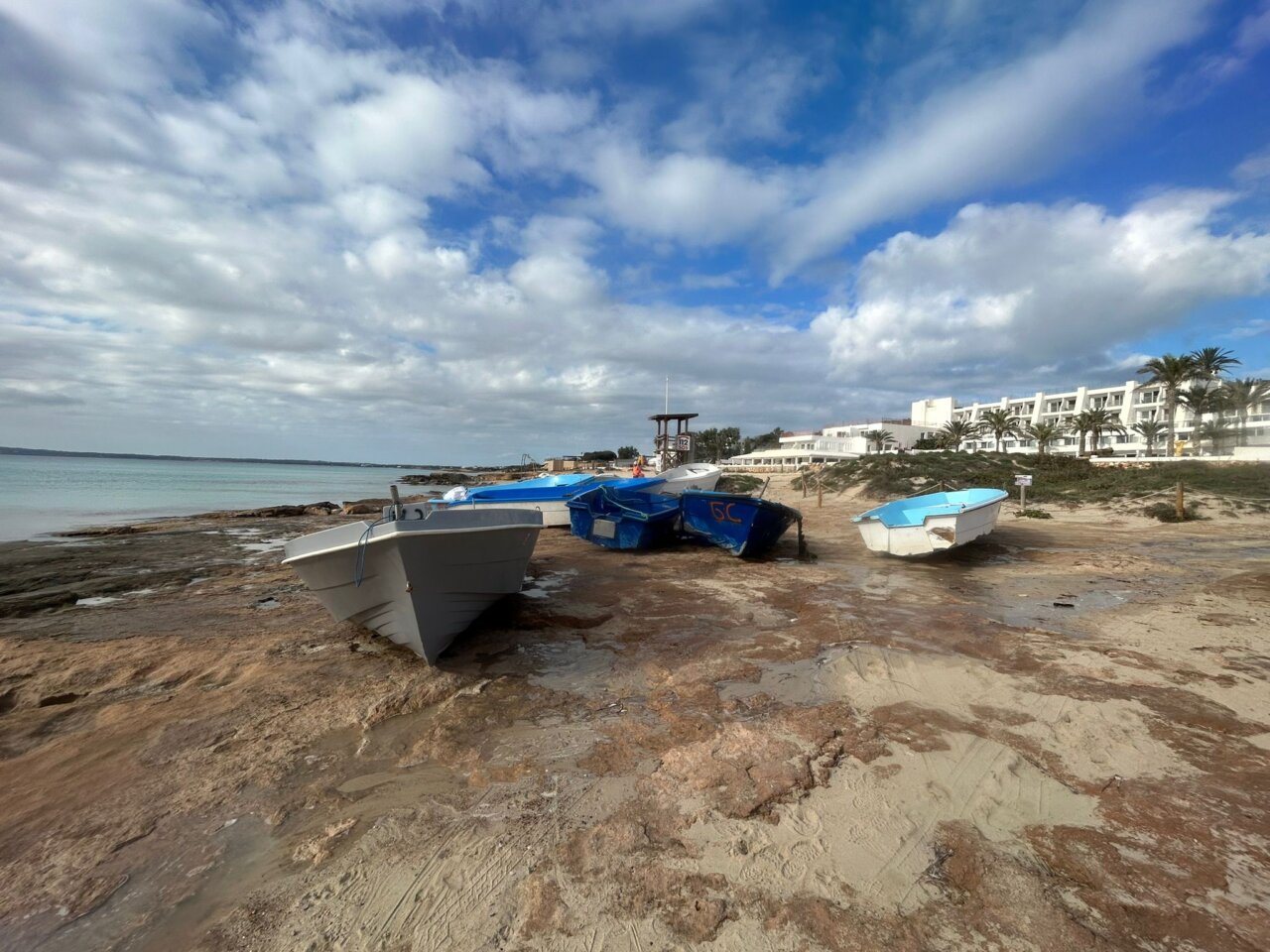
A total of 6,688 migrants have arrived irregularly to the Balearic Islands by sea so far in 2025, an increase of 28.3% over the same period in 2024, according to the latest balance of the Ministry of Interior on irregular immigration.
The report, updated to November 30, reflects a change of trend in the migratory flow to the Islands, in contrast to the general decline of 29.9% recorded at the state level. In total, Spain recorded 34,251 irregular arrivals in 2025, compared to 56,976 the previous year.
Balearic Islands, the exception to the general decline
While communities such as the Canary Islands have experienced a 59.4% drop in entries by sea, the Balearic Islands has become one of the few autonomous regions where the number of migrants has increased, especially those arriving in small boats.
Of the 34,251 migrants recorded in Spain, 30,692 did so by sea, and of these 13,855 disembarked on the Peninsula and in the Balearic Islands, a figure that represents a combined growth of 6%. However, when separating the data, only the Balearic Islands reflect an increase, with 1,476 more people than in 2024.
As for the number of boats, the Balearic archipelago has received 366 boats, 54 more than the previous year, while the mainland has recorded a drop of 8.7% in maritime entries.
Migratory routes are reconfigured
Data from the Ministry of the Interior show a redistribution of migratory routes towards the western Mediterranean. In the Balearic Islands, the security and emergency forces have reinforced their devices in the face of the sustained increase of arrivals in precarious boats, which especially affects Ibiza and Formentera.
According to police sources, many of these boats come from Algeria, which has been the main departure point on the routes to the Balearic Islands in recent years. Improved weather conditions and less pressure in the Canary Islands could be behind the upturn in the Balearic archipelago.
The report also details a 46.2% increase in land entries to Ceuta and Melilla, with 3,559 people up to November 30. This figure contrasts with the decline in maritime routes and is evidence of persistent migratory pressure on Spain’s southern borders.