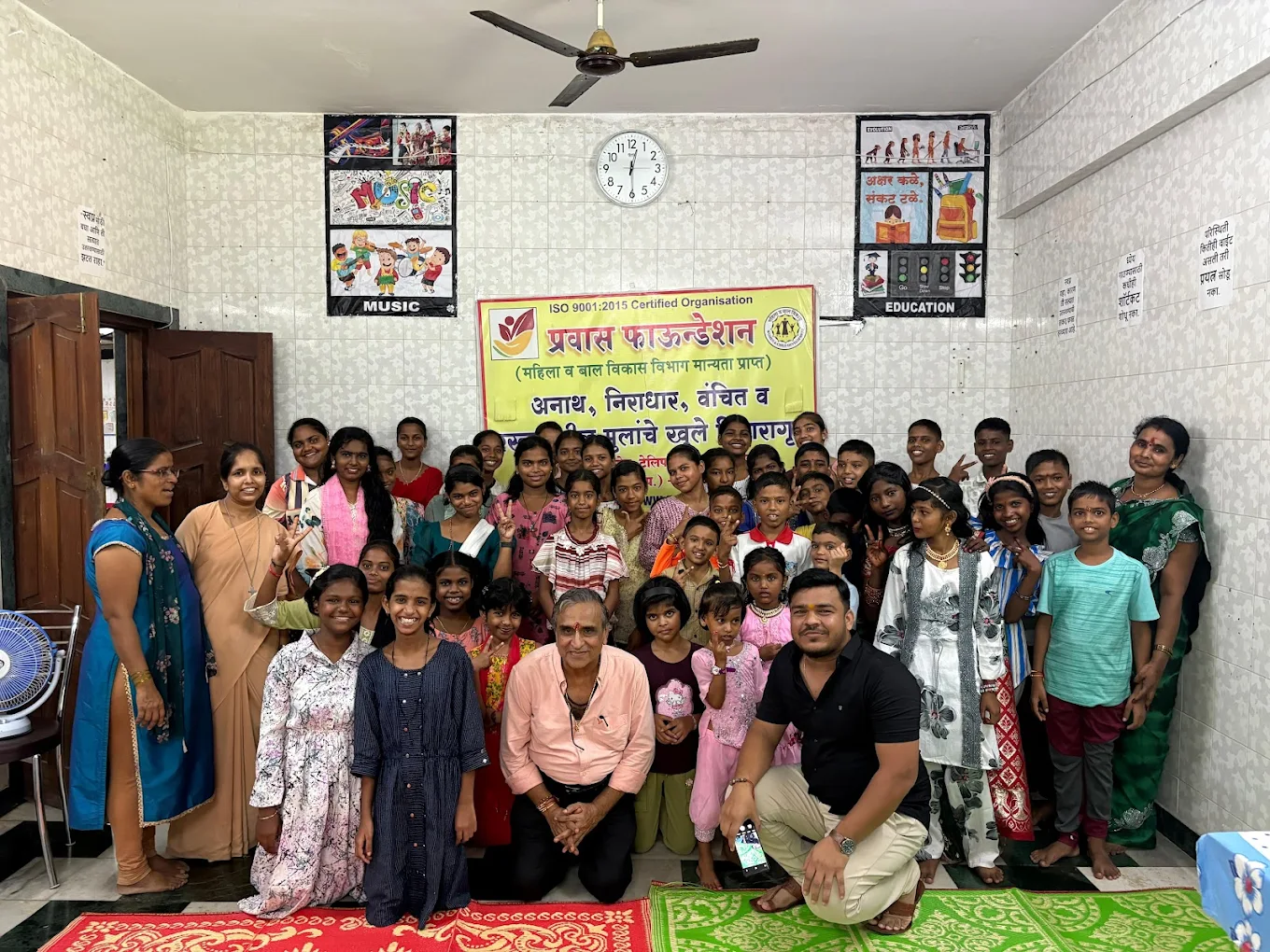
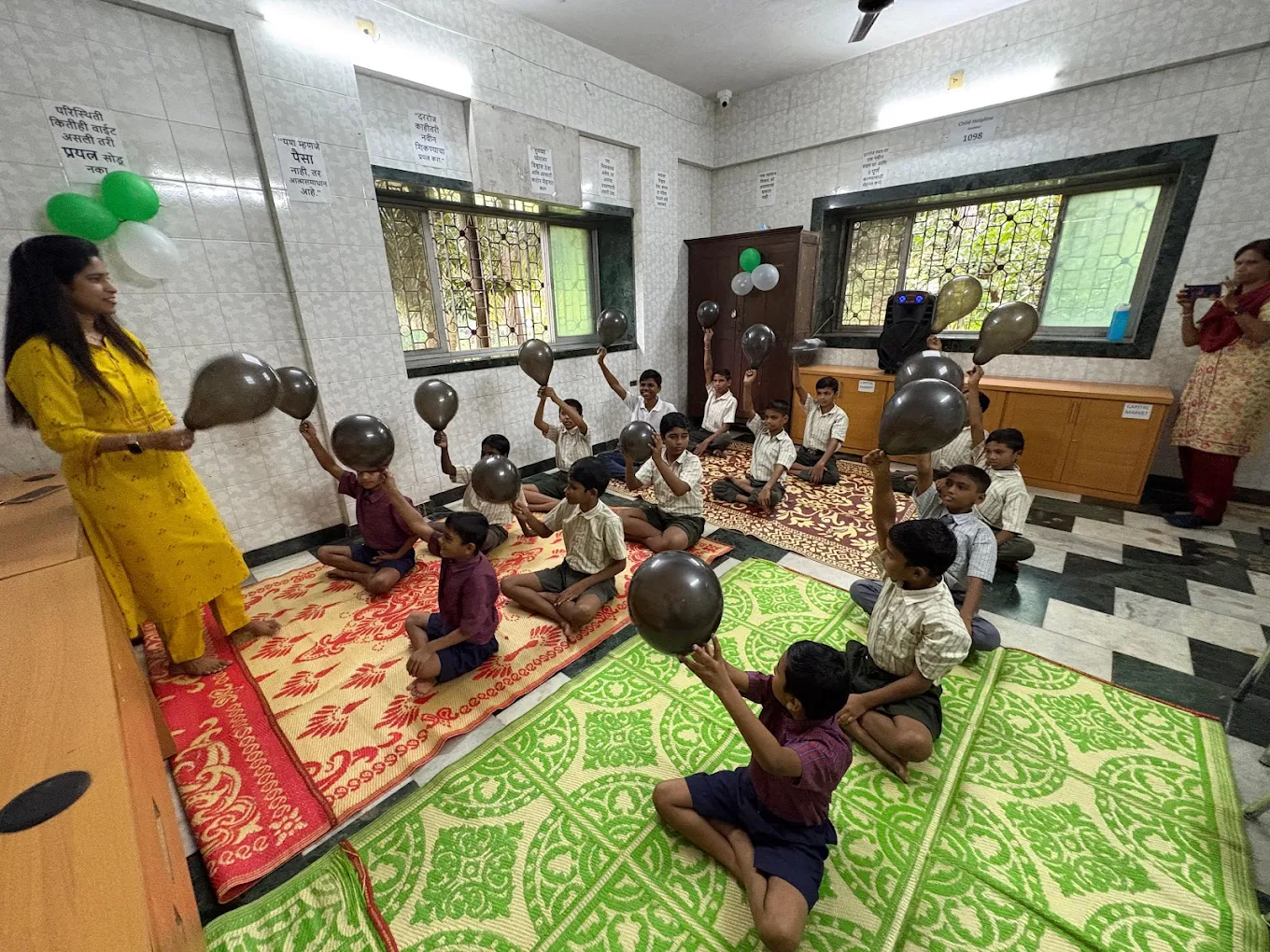
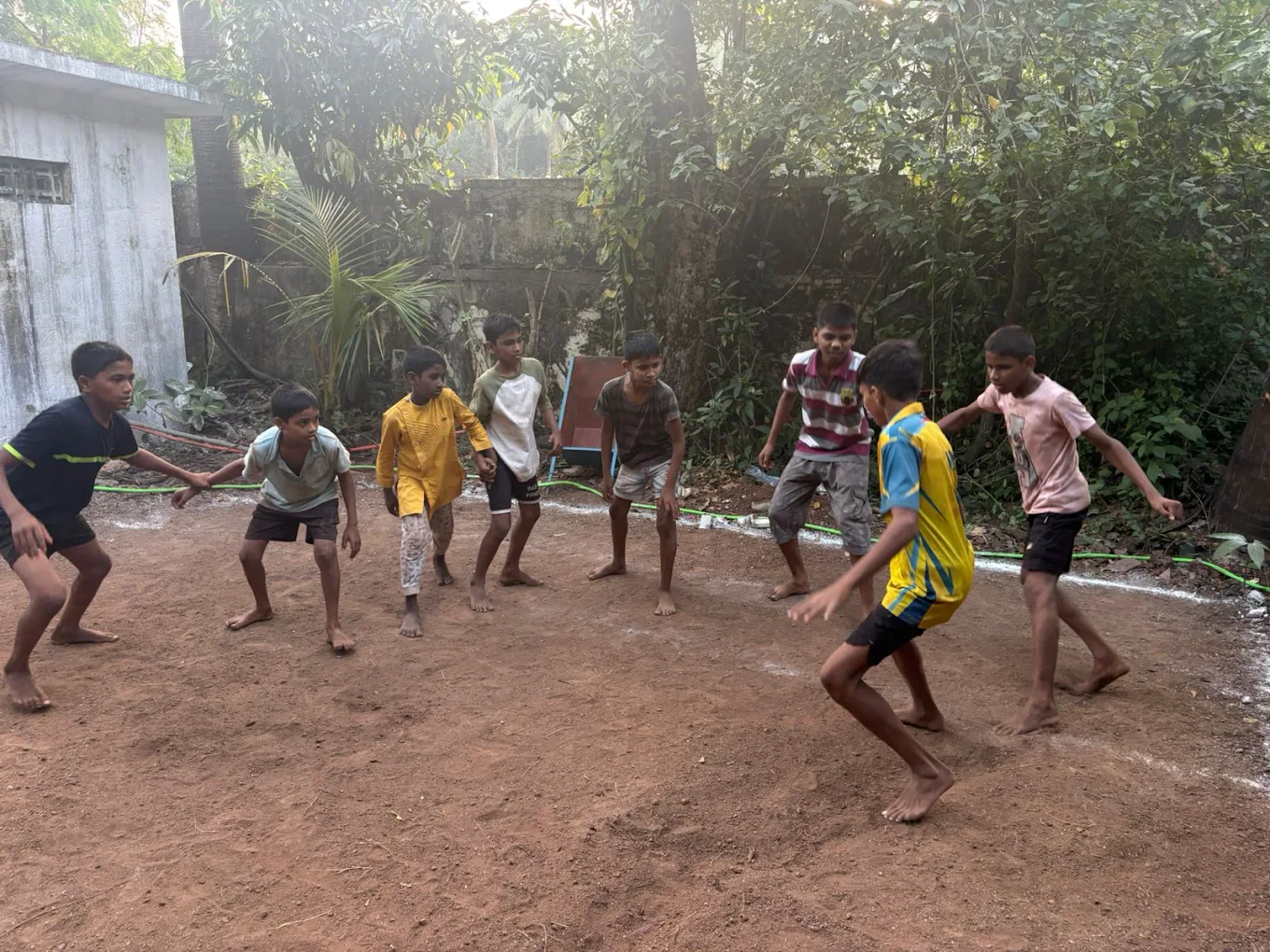
The Ibizan student Unai Torres, 20, has launched a solidarity project called Energy for Children, which aims to provide solar energy and hot water to the Pravas Foundation orphanage in Mumbai, an initiative that was born from a personal story that still accompanies him: the adoption of his little brother, born in India and sheltered in a center during the first years of life. Torres is now launching a crowdfunding campaign to raise 13,000 euros and cover the energy needs of an institution that cares for 25 children on a permanent basis and offers educational support to more than 1,200 children in the community.
An intimate debt: “I needed to return the favor”.
Although the orphanage he supports is not the same one his brother was in, Torres explains that the idea for this project came from the impact his family experienced during his adoption four years ago. “I needed to be involved in a project with a great social impact; helping others is one of the things that fulfills me the most,” he recalls. He studies the LEINN degree in Barcelona and, upon learning that he would be traveling to India for academic reasons, he began to think about how to be grateful for the care that the foster care centers provided to his brother, now six years old. The reflection led to a clear decision: “To return the favor to the orphanages that do so much for children who start life with very few opportunities”.
Torres has not yet visited the Pravas Foundation, but will do so in January, when he and his partner Judit Garcia travel to Mumbai to make the solar system purchases and document every expenditure, a commitment to transparency that is part of the project.
One of the most polluted places in the world
The orphanage’s energy situation reflects a common reality in institutions of this type in India: The electricity grid is unstable, polluting and costly, a problem that has been dragging on “practically since the foundation was created”, according to the center’s director, Vikas Jagtap, with whom they are in constant contact. The orphanage pays more than 180,000 rupees a year for electricity, about 1,750 euros, and has no hot water, which would mean an additional cost of 1,150 euros a year.
Mumbai, Torres recalls, is one of the most polluted cities on the planet, so providing an orphanage with energy autonomy not only cuts costs, it also acts as an awareness-raising message. The center already provides sustainability education, and the installation of solar panels and a solar water heater will help reinforce this education for the children, many of whom are in vulnerable situations.
A measurable impact: savings, autonomy and CO₂ avoided.
The project plans to eliminate 100 % of the orphanage’s electricity costs, which will result in savings of more than 60,000 euros over the lifetime of the solar system. The reduction in emissions will reach 10.1 tons of CO₂ per year, some 250 tons accumulated, figures that will allow redirecting some 2,900 euros per year towards food, education, school supplies and child welfare.
More than 1,200 children and 300 women will benefit each year from this intervention, which will also provide stable access to hot water, a basic improvement that is often taken for granted in Europe, but remains a luxury in many parts of India.

The origin of a youth alliance
Torres and García developed this initiative within the entrepreneurial ecosystem of Barcelona Circular, a hub of circular economy and industrial innovation in which young people from the LEINN degree are trained. They explain that, before arriving at Pravas Foundation, they carried out a filtering process to locate orphanages that met transparency criteria and were willing to collaborate in identifying an essential problem.
Both also have the support of TeamLabs, Mondragon Unibertsitatea and Asesoría Unidad, which have advised them on how to turn a personal idea into a technical cooperation project with a structure, timetable and guarantees of execution. Despite the youth of the promoters, Torres maintains that this work has been their first major social project, although they have already carried out other initiatives of different types.
Why help so far?
It is recurrent that, when faced with crowdfunding campaigns to help such distant populations, a question arises: isn’t there someone closer to assist? “It is understandable to think so. “The important thing is that there is a desire to contribute, whether near or far,” admits Torres. In any case, he leaves the invitation open: “You have to bear in mind that the conditions in many orphanages in India are not the same as in Spain. The impact of a donation there can be much greater.
Torres maintains fluid communication with the orphanage director, with whom she exchanges video calls and messages almost daily. That relationship, he explains, is key to adjusting the project to the center’s real needs and preventing the intervention from being a unilateral initiative. “Vikas is delighted with what we are doing and very grateful,” he says.
The January 16-25 trip will serve to close the full cycle: see the orphanage, oversee the purchase of equipment and document all expenses.
The project does not end
Torres and García do not yet know whether their next social action will be linked to children or to another sector, but they are sure that there will be continuity. “What we don’t know yet is what kind of project it will be or what sector we will focus on,” he admits. The experience of this first challenge, however, seems to have set a course: “Yes or yes, I need to be involved in something with a social impact,” says the young Ibizan.
Links of interest:
- Crowdfunding campaign: https://www.migranodearena.org/reto/ayudanos-a-que-un-orfanato-en-mumbai-india-pueda-ahorrar-60-000-
- Project website: https://energiaparalainfancia.org/