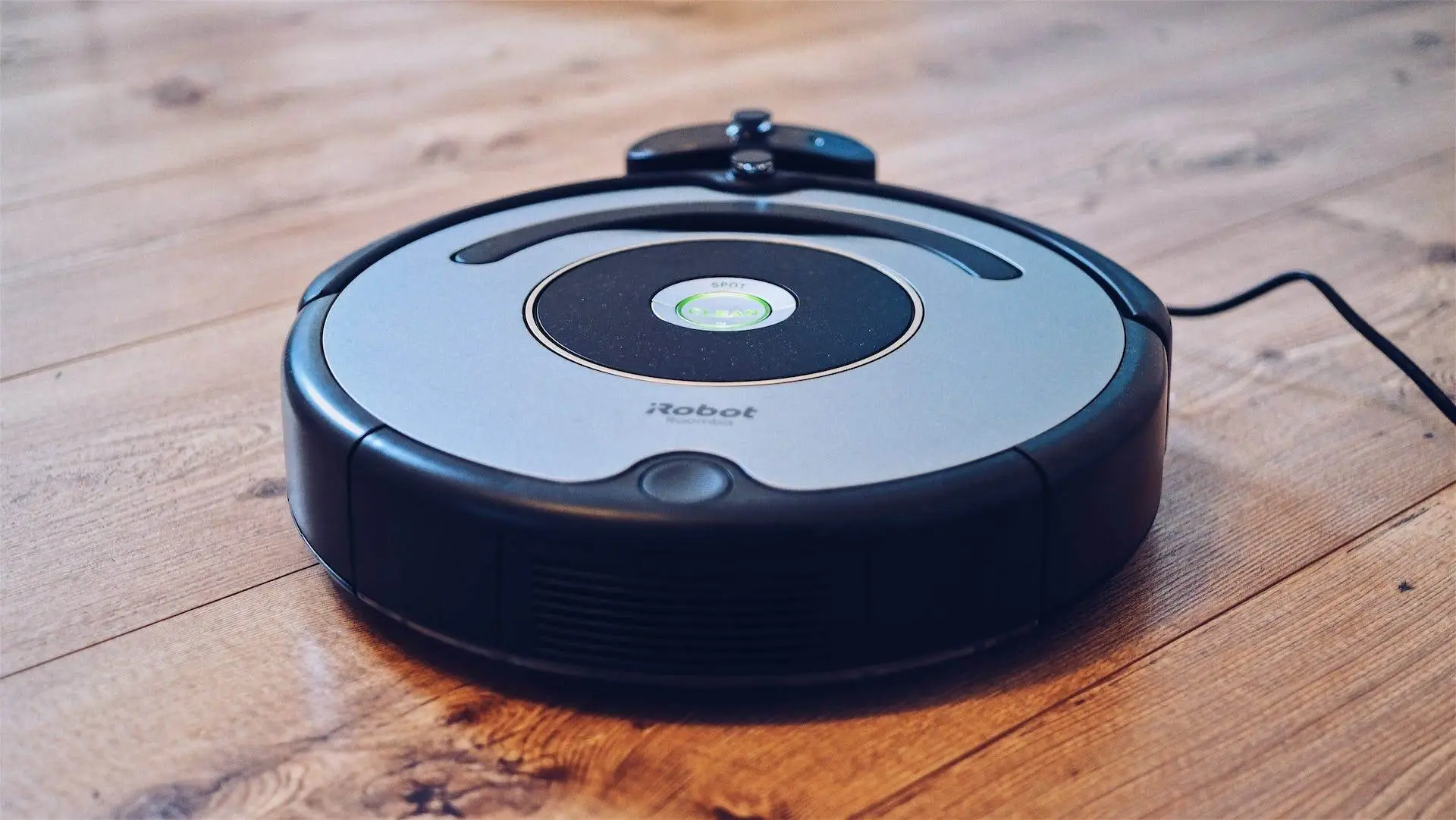
iRobot, the company behind the popular Roomba robot vacuum cleaners, filed for bankruptcy this Sunday, December 14, in what represents one of the most complicated moments in the company’s more than 30-year history. The news has generated numerous doubts among users about the future of their devices, warranties and continuity of technical support, as well as about the presence of Roomba in the market.
What happened to iRobot and why is it important?
iRobot is one of the world’s best-known manufacturers of robot vacuum cleaners and the term “Roomba” has become almost synonymous with this type of device. However, the company has been going through serious economic problems in recent times, which have ended with its filing for bankruptcy and the initiation of a restructuring process under the protection of Chapter 11 of the U.S. Bankruptcy Act.
iRobot’s bankruptcy also involves several of its subsidiaries, and the restructuring process is expected to be completed by February 2026. As part of this plan, 100% of the company’s shares will be owned by Shenzhen Picea Robotics and subsidiary Santrum Hong Kong, two Chinese companies that take control of the Roomba manufacturer.
What will happen to Roomba robots?
The main concern among Roomba users is what will happen to the products already sold and those to be sold in the immediate future. The good news is that iRobot has tried to dispel these doubts by assuring that “nothing will change for the user”, even though internally and financially the company is going through a profound transformation.
Roomba robot vacuums will continue to operate, receive updates, and warranty and repair services will continue without interruption. The company has filed a series of motions with the courts that will allow iRobot to continue to operate, including meeting its commitments to employees, suppliers and other creditors, before, during and after the court-supervised process.
Change of hands and future of the brand
With the sale to Shenzhen Picea Robotics and its subsidiary Santrum Hong Kong, iRobot will come under the ownership of a Chinese group. This change of ownership is intended to strengthen the company’s financial position, reduce debt and ensure its long-term growth and innovation capacity.
In the words of Gary Cohen, CEO of iRobot, “Today’s announcement marks a critical milestone in securing iRobot’s long-term future,” reflecting confidence that this move will help the company continue to develop Roomba robots and smart home technology.
The transaction is designed to provide a stronger balance sheet and the ability to invest in a new generation of products, strengthening innovation and customer experience.
What does bankruptcy mean for shareholders?
One of the most sensitive aspects of this process is its impact on shareholders. The company has reported that, as part of the plan, ordinary shareholders will no longer be shareholders and will not receive any money in return for their investment if the court-approved plan goes ahead. This means that those who held iRobot shares on the stock exchange will see their investment wiped out in its entirety.
In addition, iRobot will no longer be publicly traded, since under the new ownership it will no longer be a public company listed on the U.S. Nasdaq.
Why iRobot got into this situation
Although iRobot is a globally recognized brand, its financial situation had been delicate for some time. Several reasons have contributed to this:
-
Strong competition from other manufacturers, especially from Chinese companies such as Roborock, Dreame or Xiaomi, which offer products with competitive features often at lower prices.
-
The imposition of significant tariffs by the United States on countries such as Vietnam, where iRobot manufactures its Roomba for the U.S. market, with taxes reaching 46%, which has increased production costs and put pressure on the company.
These factors, along with other financial and market challenges, explain in part why iRobot was forced to seek a buyer and ultimately enter a controlled bankruptcy process.