The Ministry of Agriculture, Fisheries and Natural Environment has assured that animal health in Ibiza and Formentera remains “stable and under control”, despite the “very complex context” that the livestock sector is going through at state and European level due to the appearance and reappearance of various animal diseases.
-
Work begins on the large irrigation project with reclaimed water in Formentera
-
Bird flu: prevention measures extended throughout Ibiza, but with hens kept outdoors
This is the result of the balance made by the Balearic Government after analyzing the evolution of the main pathologies and the actions developed by the official veterinary services in coordination with the sector. The general director of Agriculture, Livestock and Rural Development, Fernando Fernandez, has stressed that the pressure arising from health alerts requires “to strengthen and implement rigorously all surveillance and control programs”.
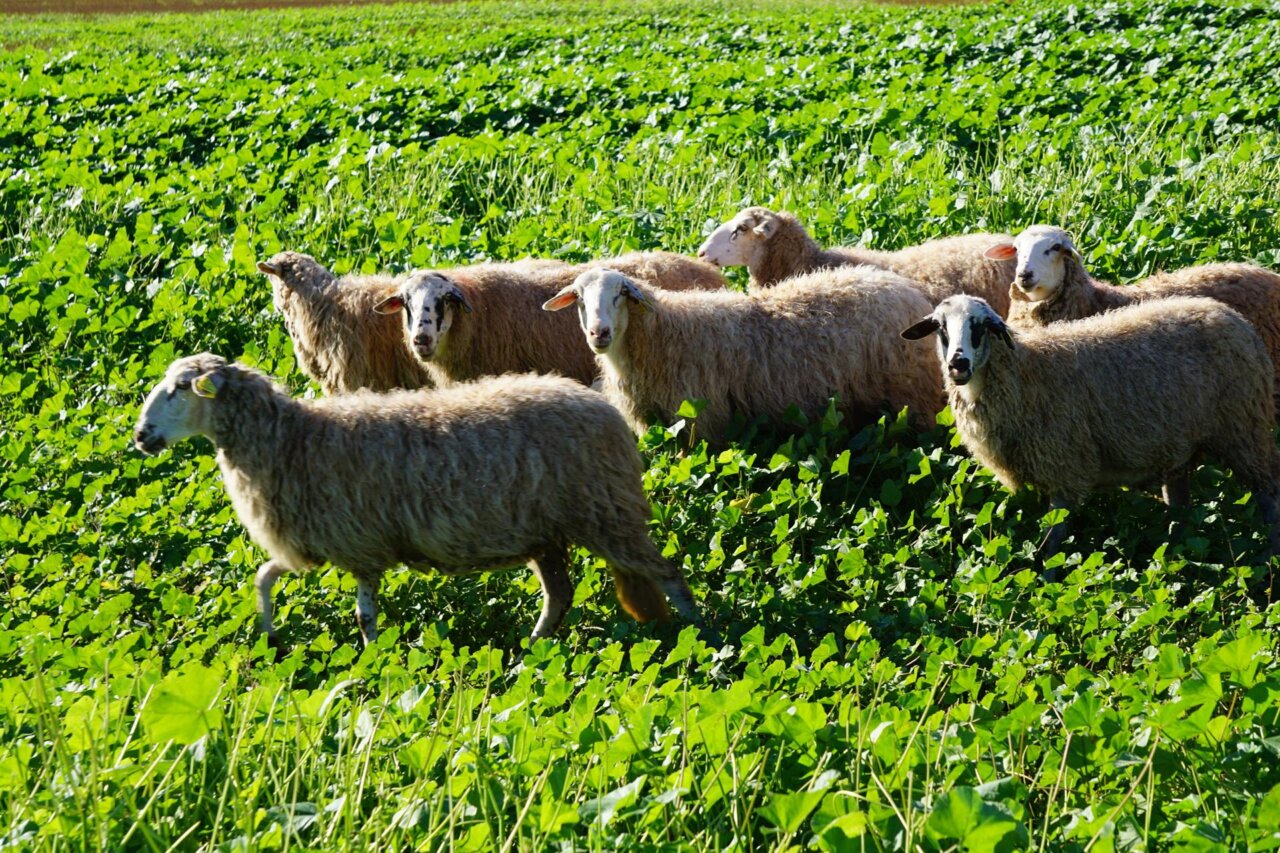
In the specific case of Ibiza and Formentera, the balance is particularly positive in relation to bluetongue, one of the diseases that most concerns the sheep sector. While Mallorca concentrates practically all the detected outbreaks of serotype 3, Formentera remains completely free of the disease, and Ibiza has only recorded a single isolated outbreak, with no new suspicions having occurred subsequently.
Rapid vaccination in Ibiza and total absence of cases in Formentera
Following the detection of serotype 3 in September 2025, the Regional Ministry immediately activated a containment strategy that included the declaration of a health emergency, the delimitation of priority areas and the urgent start of vaccination. These measures have significantly slowed the spread of the virus.
In Ibiza, where the outbreak was detected just a few weeks ago, vaccination has already reached 46% of the sheep herd, a percentage that the Conselleria attributes to the rapid action and the high degree of integration of the sector in the Agrupaciones de Defensa Sanitaria (ADS). In Formentera, the absence of cases has allowed the island to remain free of the disease within the reinforced surveillance.
According to the data collected, the disease has had an average incidence of 11% of sick animals in the affected farms in the Balearic Islands and an overall mortality rate of 5.2%, with the most serious cases concentrated in the early stages of the outbreak.
Extreme vigilance against avian influenza
Regarding avian influenza, a pathology with a “very worrying” evolution in Europe, no case has been detected in Ibiza or Formentera. However, the Conselleria maintains activated preventive measures such as the confinement of birds when their isolation from wild birds cannot be guaranteed, the prohibition of poultry fairs and the reinforcement of epidemiological surveillance, especially in wetlands and migratory areas.
During 2025, controls have been increased by 64% with respect to the national program, although the Govern warns of the under-reporting of dead or dying wild birds, which is key to early detection.
Reinforced African swine fever control
In relation to African swine fever, after the detection of cases in wild boars in Catalonia, the Balearic Islands have reinforced the controls foreseen in the national program. In Ibiza and Formentera, the usual analyses are maintained -about 700 per year in the whole archipelago-and the movements of pigs arriving to the islands are strictly monitored.
The Conselleria has identified 32 high risk pig farms in the Balearic Islands, on which specific biosecurity plans will be applied. Fernandez has reminded that, even if the outbreak in Catalonia is controlled, European regulations require a maximum level of surveillance to be maintained for 12 months.
Stable” situation in the Pitiusas
All in all, the general director concluded that, despite the succession of health alerts in recent years, animal health in Ibiza and Formentera remains “stable”, thanks to the coordination between veterinary services, the livestock sector and the ADS, as well as the rapid response to any health risk.