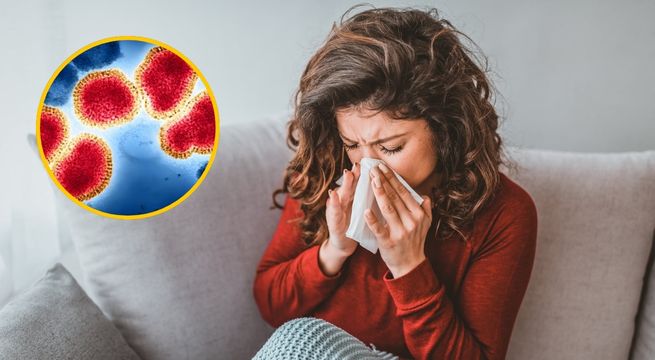
The arrival of the Christmas holidays coincides this year with an upturn in influenza activity in Spain and other European countries. At the center of the attention of epidemiologists and health authorities is the influenza A virus (H3N2), a subtype known for its high capacity for mutation and for causing particularly intense seasons during the winter.
Although influenza is a common phenomenon at this time of year, recent data point to an early and predominant circulation of H3N2, which has reactivated the debate on the risk it may pose to family gatherings at Christmas and New Year, especially in large gatherings and indoors.
What is the H3N2 flu virus and why is it a concern this winter?
H3N2 belongs to the influenza A family, historically responsible for some of the most severe influenza seasons. Unlike other subtypes, this virus tends to evolve rapidly, generating variants that can partially evade the previous immunity of the population.
In recent weeks, epidemiological surveillance systems in several countries in the northern hemisphere have detected a significant increase in cases associated with this subtype, with particular impact on older adults and people with previous pathologies. In Europe, including Spain, health services have warned of an early start to the flu season, something that has not been observed with such intensity since before the pandemic.
Experts stress that this behavior does not necessarily imply a greater individual severity of the virus, but it does imply a greater number of infections in a short period of time, which can translate into more medical consultations and pressure on health care.
Can the flu affect Christmas celebrations?

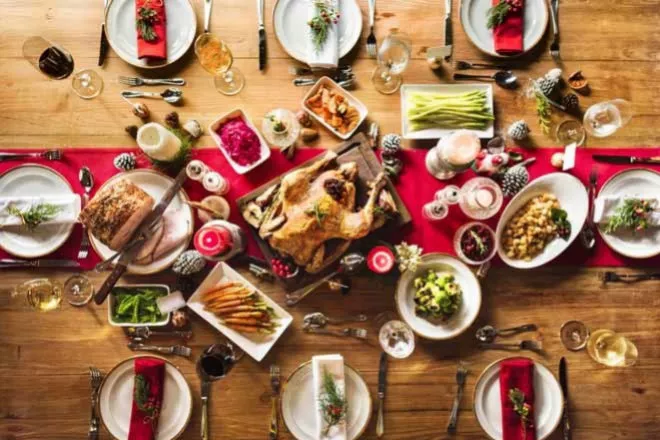
Christmas and New Year gatherings bring together several factors that favor the transmission of the virus: prolonged meetings, poorly ventilated indoor spaces, hugging, shared meals and the presence of vulnerable people.
Epidemiologists consulted agree that the risk is not so much in the celebration itself, but in going to it with respiratory symptoms. An infected person can infect several others even before being fully aware that he/she has the flu.
Therefore, specialists recommend extreme caution during the holidays, especially if you live with or will be in contact with elderly people or people with health problems. It is not a matter of canceling celebrations, but of adapting behaviors to reduce risks.
Recommendations for Christmas and New Year
In view of the celebrations, health authorities and medical societies recommend reinforcing a series of basic measures to reduce the risk of contagion:
-
Adequately ventilate enclosed spaces, especially during meals and prolonged meetings.
-
Wash hands frequently and maintain proper respiratory hygiene when coughing or sneezing.
-
Avoid attending family or social gatherings if symptoms such as fever, cough or general malaise are present.
-
Extreme protection of vulnerable persons, limiting contact in case of suspicion of infection.
Vaccination, a key tool of protection
The flu vaccine continues to be the main preventive measure against influenza, including H3N2. In Spain, the vaccination campaign is aimed primarily at people over 60 years of age, healthcare personnel, people with chronic diseases and other at-risk groups.
Although the efficacy of the vaccine may vary from season to season, experts remind that its main benefit is to reduce the severity of the disease, hospitalizations and complications. Even when it does not completely prevent infection, vaccination usually results in milder symptoms.
Specialists remind that it is still useful to be vaccinated in December, since protection develops in the following weeks and the flu season usually extends well into the winter.