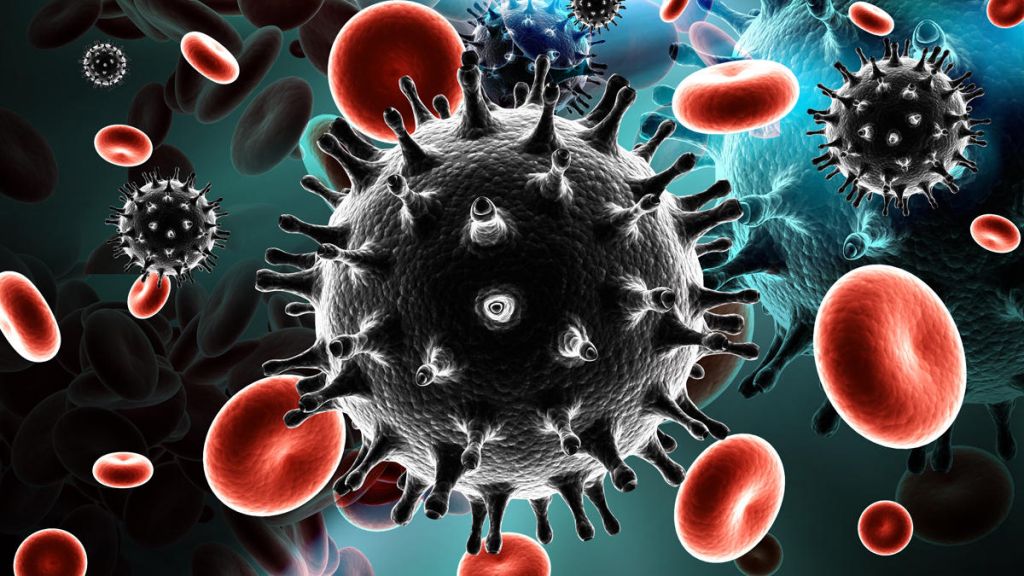
For decades, HIV and AIDS have been part of the public health conversation, but they continue to generate doubts and confusion. They are often used as if they were the same thing, when in fact they refer to
With today’s medical advances, living with HIV no longer necessarily means developing AIDS or having a poor quality of life. That is why it is essential to differentiate between the two concepts.
What is AIDS and how does it manifest itself?
AIDS is the most advanced stage of HIV infection: its acronym stands for acquired immune deficiency syndrome, a condition that occurs when the immune system is severely weakened. At this point, the body loses much of its ability to defend itself against common infections or diseases that would not normally pose a serious risk.
This stage does not emerge immediately; AIDS results from years of untreated HIV infection, and not all people with HIV go on to develop it. Thanks to antiretroviral therapy, many people keep their immune systems strong and never reach this stage.
From the medical point of view, AIDS is diagnosed when the number of CD4 cells (a type of white blood cell that is key to defense) falls below a critical level, or when severe opportunistic infections or certain types of cancer associated with immunodeficiency appear. Without treatment, AIDS can be fatal, but with early detection and medical follow-up, it is now a preventable condition.
What is HIV and how it affects the body

HIV (human immunodeficiency virus) is the causative agent of the entire infection. It is a virus that progressively attacks the immune system, especially the CD4 cells: upon entering the body, the virus begins to replicate, gradually weakening the natural defenses.
One of the characteristics of HIV is that it can be symptom-free for years, especially if the person receives treatment from the early stages. This means that someone can live with the virus without developing serious illnesses and lead a completely normal life.
HIV is transmitted through certain body fluids (such as blood, semen, vaginal fluids or breast milk) and the most common routes of transmission are unprotected sex, needle sharing or mother-to-child transmission during pregnancy, childbirth or breastfeeding. It is not spread by everyday contact, such as hugging, kissing, sharing eating utensils or living together in the same space.
Although there is currently no definitive cure, modern treatments allow the virus to be controlled to undetectable levels, which not only protects the health of the individual, but also prevents sexual transmission.
The key difference between HIV and AIDS
The essential difference between the two concepts lies in the timing and status of the infection: HIV is the virus that is acquired; AIDS is a possible consequence if that infection goes untreated for years. Having HIV is not the same as having AIDS, and developing AIDS is not an inevitable destiny.
Thanks to antiretroviral therapy, most people with HIV never reach the AIDS stage. Treatment slows the multiplication of the virus, protects the immune system and allows a life expectancy and quality of life similar to those of the general population.
In terms of diagnosis, HIV is detected by specific tests that identify the presence of the virus in the blood. AIDS, on the other hand, is diagnosed when the damage to the immune system is already profound, either by a marked decrease in defenses or by the appearance of associated diseases.
Information, prevention and less stigma
Understanding the difference between HIV and AIDS is not only a medical issue, but also a social one. Misinformation fuels fear and discrimination, when the current reality shows that HIV is a treatable and controllable infection.
Speaking out, being informed and accessing testing and treatment are the most effective tools to prevent the disease, improve the quality of life of those living with the virus and move towards a fairer and more prejudice-free society.