Negotiations on the future status of Gibraltar after Brexit have entered a decisive phase: the European Union, the United Kingdom, Spain and the Gibraltarian government itself have recently closed the general lines of the treaty that will regulate the British enclave’s relationship with the Community bloc. This is a long-awaited agreement, the main objective of which is to redefine economic and social coexistence in one of the most sensitive areas of southern Europe.
The political understanding reached in June has now given way to the final drafting of the legal text, which is in the process of technical and legal review by Brussels and London before starting the path towards signature and ratification.
The end of the fence and a new cross-border relationship
One of the most relevant points of the future treaty is the elimination of the fence that separates Gibraltar from the Spanish municipality of La Línea de la Concepción. The intention is to remove the physical barriers that hinder the daily passage of people and goods, thus facilitating economic activity and mobility throughout the region.
The agreement foresees that Gibraltar will be integrated into the Schengen area, which will imply coordinated controls at ports and airports, jointly managed by the Spanish and Gibraltarian authorities. In addition, the British enclave will adopt a tax system aligned with the European environment, including taxes comparable to VAT, in order to avoid trade imbalances.
A treaty designed for regional prosperity
According to sources familiar with the negotiations, the spirit of the pact is to guarantee the stability and economic development of both Gibraltar and the Spanish towns of the Campo de Gibraltar. The text seeks to make the fluidity of movement compatible with the protection of the European single market, the customs union and the Schengen rules.
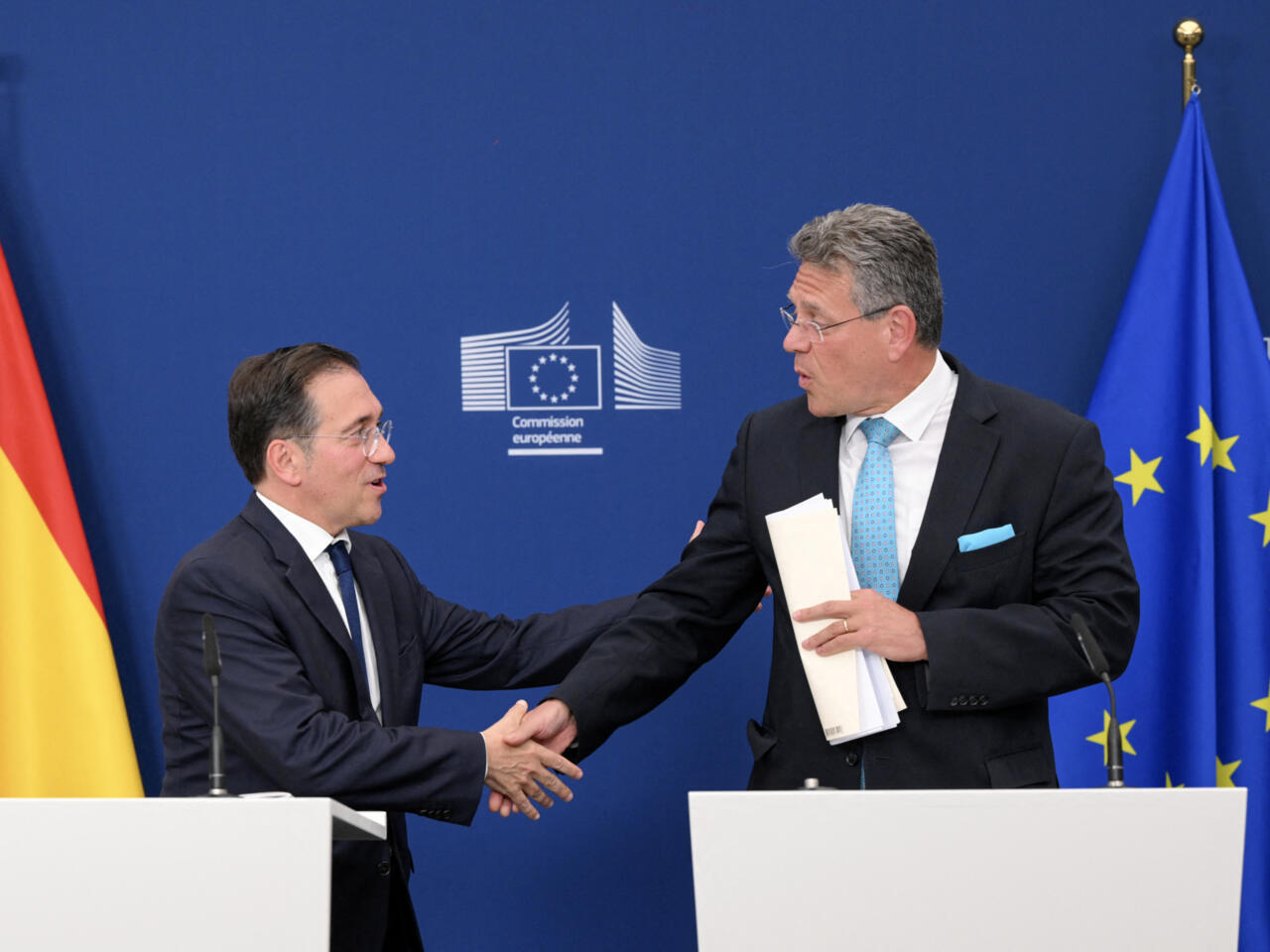
This agreement brings to an end almost four years of talks that began after the UK’s exit from the EU. The final push came at a meeting in Brussels between high-level representatives of the four parties involved, which served to unblock the main political stumbling blocks.
What the ratification process will be like
Once the legal review is completed, the treaty must be translated into all official languages of the European Union before being submitted to the EU Council and subsequently to the European Parliament, which must give its consent.
In parallel, the text will follow its own path in the United Kingdom: the Parliament of Gibraltar will be the first to pronounce itself, formally requesting ratification from London. From there, the agreement will go to the British Parliament, where a 21-day review period will be opened.
The House of Commons will have the ability to block ratification if a resolution against it is passed, while the House of Lords will only be able to issue a non-binding opinion.
Reactions from Campo de Gibraltar and institutions
The mayors of the Spanish municipalities near the Rock have received the news with a mixture of hope and caution. From La Línea de la Concepción it is positively valued that the agreement can serve as a clear roadmap to address the historical problems of the area, although it is insisted on the need to know the final content.
In Algeciras, on the other hand, concern has been expressed about the lack of detailed information. Its mayor has demanded clarity on how the treaty will affect employment, port activity, customs controls and the daily mobility of thousands of workers crossing the border.
From London, the British Foreign Minister assured the Parliament that the text will be published once finalized and submitted to a wide parliamentary scrutiny. In the same vein, the Government of Gibraltar has promised full transparency and stressed that the final agreement will be made public before its ratification by the various chambers.