With the arrival of January 1, 2026, the V16 beacon will become the mandatory standard for emergency signaling, leaving behind decades of using hazard triangles.
This transition, promoted by the General Directorate of Traffic, prioritizes the protection of users by eliminating the need to walk on the road, replacing the physical display with a luminous and digital warning system.
Technical requirements and mandatory certification
For a device to be considered legal, it must be certified by authorized technical laboratories, namely IDIADA or LCOE. These centers are in charge of ratifying that each model complies with the luminous intensity and resistance standards required by the regulations.
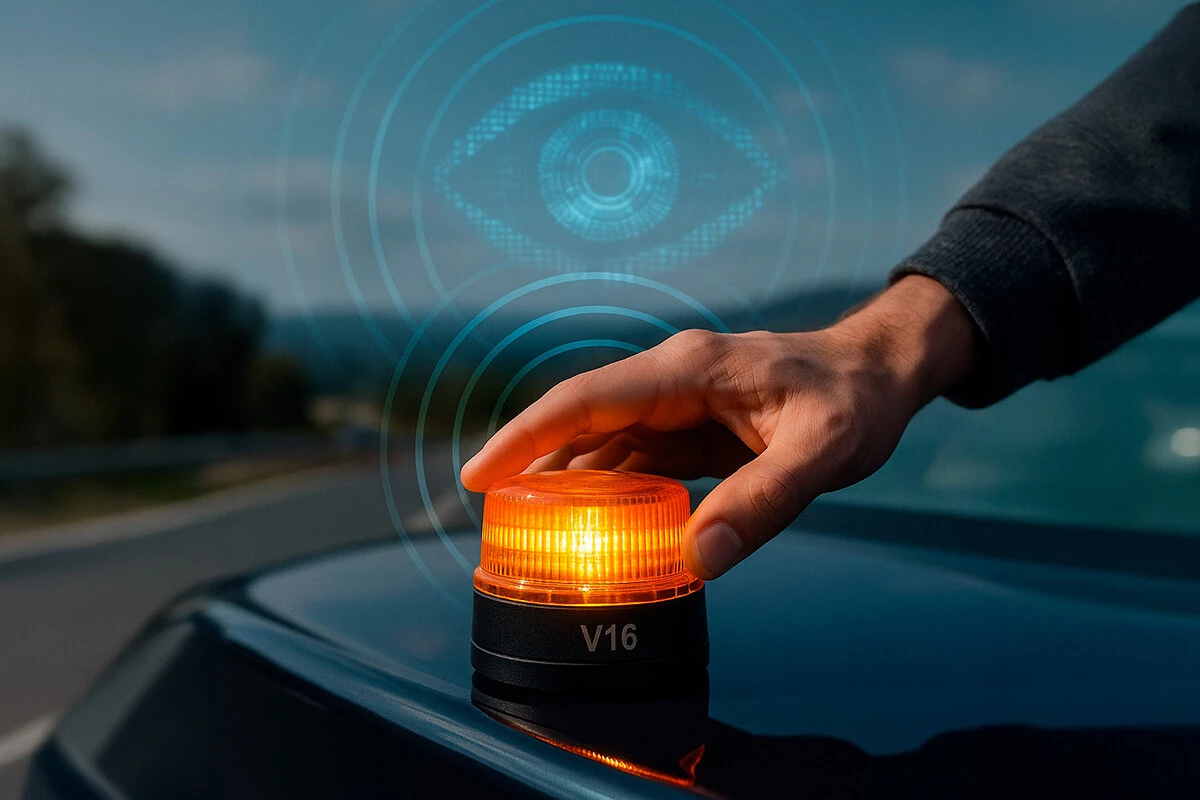
One of the most relevant features of the new regulation is the connectivity requirement: when activated, the beacon must automatically transmit the exact location of the incident to the DGT 3.0 platform .
This signal allows the rest of the road users to receive a real-time alert through navigators, mobility applications and variable information panels, optimizing the prevention of new accidents in the area.
Key aspects of the V16 standard
The new regulation establishes strict guidelines on the use and availability of these devices in vehicles:
-
Obligatory vehicles: The regulation affects passenger cars, vans, trucks, buses and non-special vehicle combinations. In the case of motorcycles, the regulation recommends their use for safety reasons, although it does not establish a legal obligation.
-
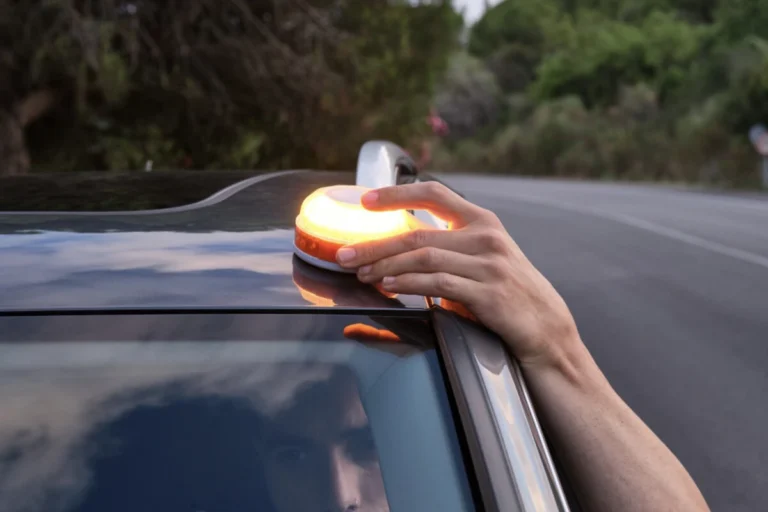
Procedure for use: The device must remain in an accessible place inside the passenger compartment, such as the glove compartment. In case of emergency, it should be activated and placed on the highest part of the vehicle – preferably the roof – from the inside, thus preventing the driver from having to leave the car.
-
Penalty regime: The absence of the beacon in the vehicle’s equipment or the use of one that lacks official approval is classified as a minor infraction, with a financial penalty of 80 euros.
Road safety and visibility
The design of the V16 beacon allows 360-degree visibility, ensuring that the damaged or accident vehicle is detected from a great distance by other drivers.
Once the device is in place and the signal has been transmitted to the traffic authorities, it is up to the driver to assess whether the safety conditions permit leaving the vehicle or whether, on the contrary, the most prudent option is to remain inside the vehicle while waiting for assistance services.
This technological transition marks the end of an era in emergency signaling, prioritizing connectivity and the physical integrity of users over traditional mechanical methods.