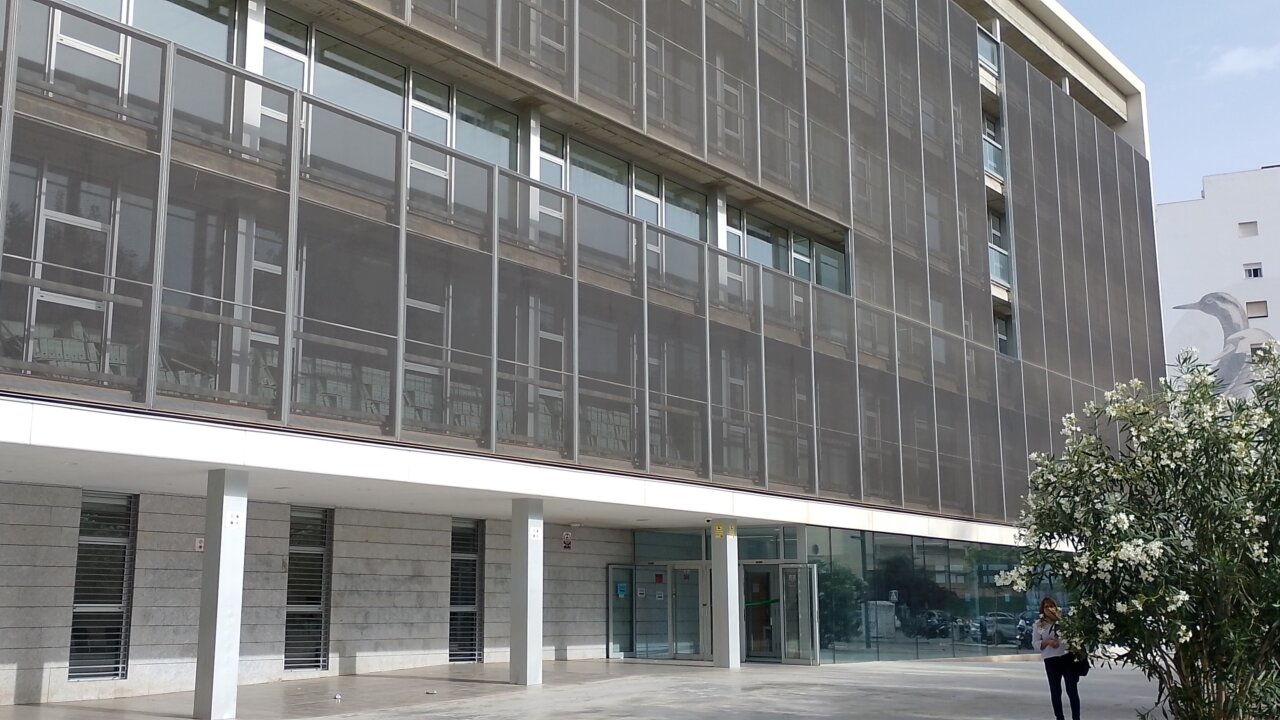
“It’s going to be a disaster,” the chief judge of Ibiza had warned, Sergio González Malabiawhen consulted by La Voz de Ibiza in mid-June about the judicial reform promoted by the central government. And that “disaster” is approaching: the changes will begin to run from January 1 on the island. “In some parties their entry into operation will be extended, but not in ours,” he warned this week.
The entry into force of the third phase of the Law of Efficiency of the Public Service of Justice (Organic Law 1/2025, of January 2) is generating a profound reorganization in the judicial system of the Balearic Islands, which will directly affect more than a thousand civil servants in the archipelago.
The regulation, which implies the conversion of the current judicial bodies into courts of instance with single judicial offices, will start to be applied in Ibiza, Palma, Mahón and Ciudadela from 2026.
In the judicial offices of Inca and Manacor, this transformation has been underway since October 1, as part of the second phase of implementation of the new model.
The transformation represents the most significant change in the Spanish judicial structure in the last four decades, which is generating concern and uncertainty among public employees.
As explained by the chief judge of Ibiza, these days “the teams of the new judicial office are being formed, which is distributed between the General Common Service, the Common Service of Processing and the Common Service of Execution”.
For this reason, the new judicial building on Madrid Street, which is half built, is in the process of being rearranged: “Officials are being relocated by floor according to the service they occupy, with a change of furniture and computers. And the interior signage has been changed,” says González Malabia.
Everything against the clock. For the chief judge, “everything should be ready” by January 1. However, he warns: “Another thing is how it starts. I think there will be many dysfunctions that will eventually lead to more delays and problems. But for now it’s an unknown quantity.
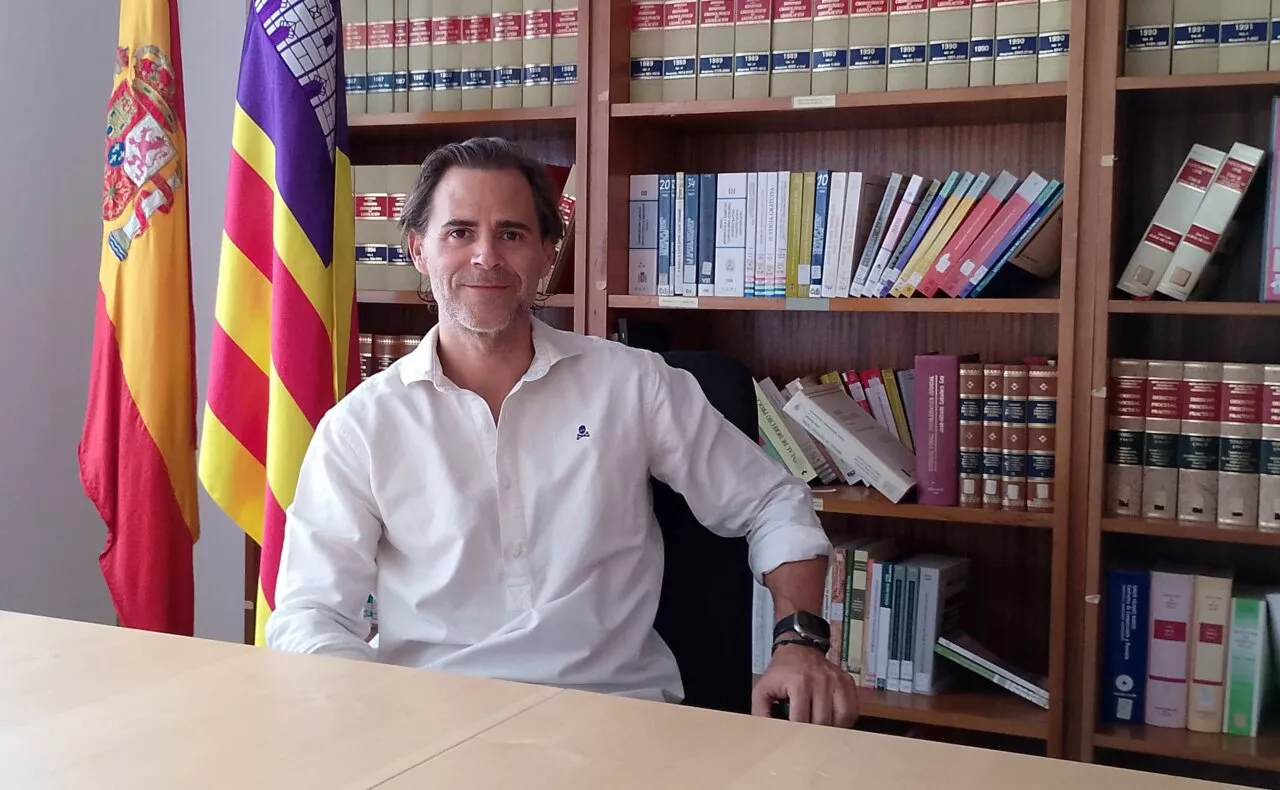
“For now, we are waiting to see what happens, but we will suffer the same problems as in the rest of the judicial districts. Not everything is ready for such a big change and there will be dysfunctions that will affect citizens,” he explains.
And he adds that “anything that does not involve investing in more personnel and material resources will not do much good”.
One new judicial office per court of instance
With the reform about to enter into force, each court of instance will have a single judicial office, which will provide comprehensive common services, without distinguishing between jurisdictional orders, sections or judicial positions.
The objective is to offer a more coordinated, homogeneous and efficient service, eliminating duplications in administrative tasks.
These judicial offices will assume the functions that until now have been performed by the registries of each court, and will be organized in three main areas: the common processing service, the general common service and the common enforcement service.
“Streamlining” justice and promoting mediation
In addition to structural reorganization, Organic Law 1/2025 promotes the mandatory use of Appropriate Dispute Resolution Methods (ADR), such as mediation, before initiating judicial proceedings, especially in civil, commercial and family matters.
This measure seeks to reduce the workload of the courts and improve the efficiency of the judicial system.
However, the chief magistrate has stated that “I assure you, they do not speed up anything at all. In many cases they hinder “.
In addition, he has questioned the new internal structuring of the Courts. “It is unnecessary. The internal organization is going to be modified. They will no longer be courts, but now it is a single court with sections. Let’s say, I, who am of First Instance Number 3, would not have my officials,” he detailed.
In his case, as of 2026, he will lose the nine officials he is in charge of. The fact is that with the reform ” all civil servants will belong to everyone. There will no longer be courts; it will be a single court made up of many officials and many judges. “.
For González Malabia, there will be “fewer and fewer hands for more and more cases. No matter how much we change the pieces, no matter how many names we change, there will continue to be a stratospheric number of cases per head.
The problem, in short, is the lack of personnel: “There are no people. The staffing problem is not only here, it is in the entire State Administration”.
For this reason, he understands that this “reorganization of resources will not achieve greater effectiveness, greater efficiency, which is what is intended. We can reorganize the same resources in another way, but it will not be more efficient or more effective as long as they continue to be insufficient personnel or insufficient hands to process the whole number of cases”.
In addition, the six Courts of First Instance located in the CETIS building, where the State pays an annual rent of 600,000 euros, have yet to be transferred.
The new building on Madrid Street is 60% operational. The rest of the work has yet to be completed: the first bidding process was not successful and now the process is paralyzed due to an administrative appeal against the new bidding process.
Continue reading:
-
Ibiza registers a sharp increase in home invasions and more than a hundred burglaries
-
“The judge of Ibiza said so”: PSOE defends that the law is sufficient to act against squats
-
More delays for Ibiza’s new judicial building: another two years of delay
-
Ibiza concentrates 76% of the consultations of the Mediation Institution of the Balearic Islands.