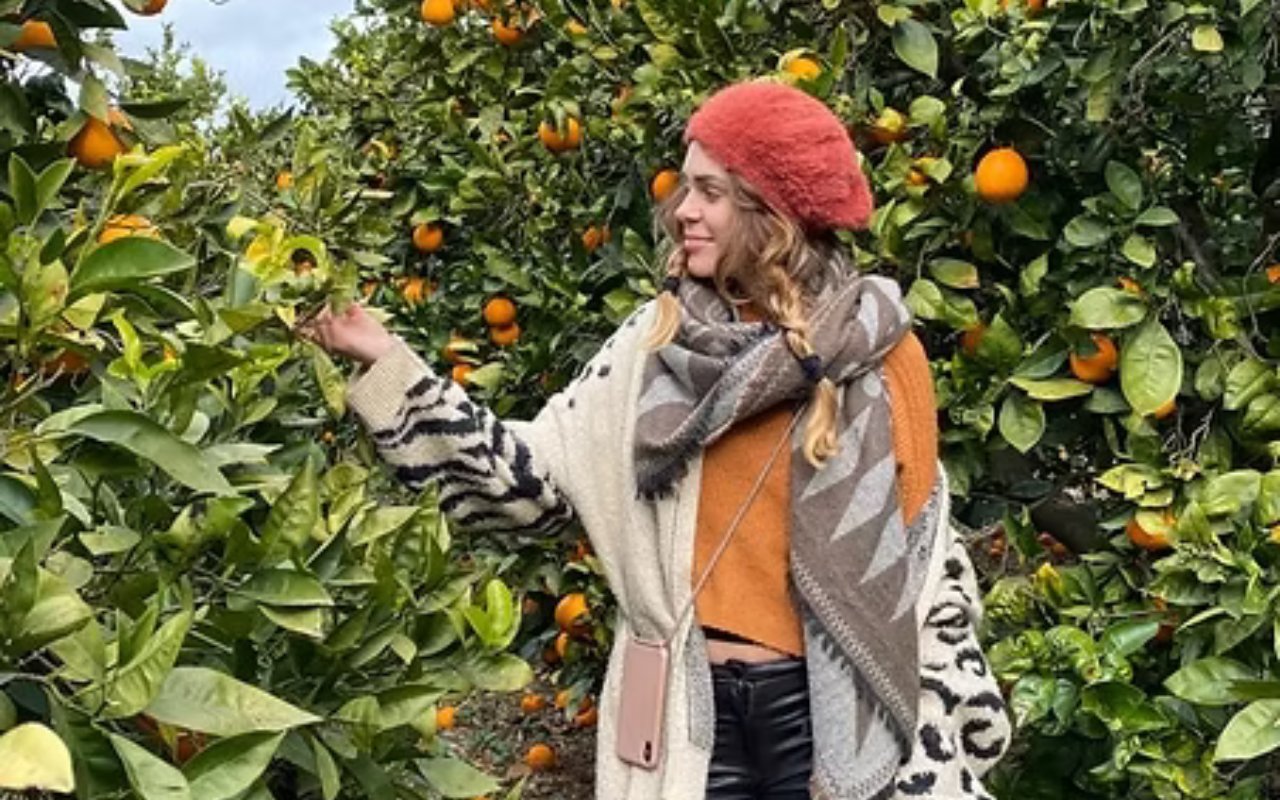
Every winter, while thousands of oranges and lemons fall to the ground without ever being picked, a small group of volunteers go into farms in Ibiza to rescue the fruit that would otherwise go to waste. Under the name Save the Citrusthis community initiative collects local citrus fruits and donates them to social organizations that serve people and families in vulnerable situations, connecting the countryside with the city on an island where most of the fruit consumed comes from outside.
-
Ibiza and Formentera, the islands most threatened by extreme heat: warning about agricultural future
The community initiative seeks support and collaboration to expand its solidarity activity of collecting and redistributing local citrus fruits, with the aim of reducing food waste and supporting families who depend on food donations on the island.
The project has been driven since its inception by activist Salacia Dawn, who lives in London but has been traveling to the island for the past fifteen years. “I have a great connection with Ibiza,” she says. She started this work after spotting the contrast between the large amount of fruit being lost each winter and the increase in people in vulnerable situations. “During the pandemic there were many more people depending on donations and, at the same time, lots and lots of oranges on the ground that were not being used,” she explains.
Save the Citrus began as a direct response to that contradiction, after Dawn became aware of the problem of local food supply. As she recounts, as early as 2019 she discovered that 98% of the fresh fruit consumed in Ibiza is imported, despite the abundance of fruit trees on the island. “It didn’t make sense that oranges were being brought in from outside while they were going to waste here,” he says.

Working with local farms and weekly pickups
Currently, the project works on a regular basis with a local farm with around 1,000 trees, which allows for weekly collections with groups of 10 to 15 volunteers. In just one hour, the team manages to clear the ground of fallen fruit and fill several vehicles with oranges and lemons destined for donations.
The relationship with the owners of the farm is based on trust and social commitment, as they are an older couple who share the project’s vocation for solidarity. “It was important to them that the fruit went to Caritas, an organization they value highly,” explains Dawn, who adds that she and some volunteers sometimes buy fruit directly from the farm as a form of support.
View this post on Instagram
Destination of fruit and role of Caritas
Most of the citrus fruit collected is delivered to Caritas in Ibiza, to which Save the Citrus regularly donates the collected fruit. Volunteers take care of the transport to the city, where the fruit is distributed to people and families who depend on food aid. Part of the oranges collected are used to make juice.
Since its inception, the initiative has made nearly a hundred fruit picking visits, with an average of about 500 oranges picked each day. Although there is no exact count, Dawn estimates that close to a thousand people have indirectly benefited from the project since 2021.
70 volunteers and a community approach
Save the Citrus currently has around 70 volunteers organized through a WhatsApp group, who participate on a rotating basis in the harvests. The days begin with a brief group meeting and an initial moment of connection with the natural environment before starting the harvest, an approach that reinforces the community character of the initiative.
“For me it’s important to connect with the land and the people,” explains Dawn, who stresses that the project is not limited to picking fruit, but seeks to generate links and awareness of the value of Ibiza’s rural environment.

A van and a juicer, the main requirements
For this new citrus season, Save the Citrus is seeking the support of companies, hotels or local entities to cover two key needs: a van and an industrial juicer. The van would not only facilitate the transport of the fruit, but also make it possible in the future to transport beneficiaries from urban centers to the farms, offering them the possibility of participating in the harvest and leaving their usual environment.
The industrial juicer would allow the creation of community juice points in different parts of the island, such as restaurants or social spaces, where anyone could squeeze local fruit for free and donate part of the juice to charitable organizations.
Looking to the future
Although in the future she does not rule out expanding the project to other surplus fruits such as figs or pomegranates, Dawn says that, for now, the priority is to consolidate Save the Citrus. “Citrus is already a huge undertaking. I prefer to grow the project organically and safely,” she says.
The initiative has become an example of how volunteerism and local collaboration can transform a waste problem into a community support network on an island where food dependency and sustainability remain central challenges.