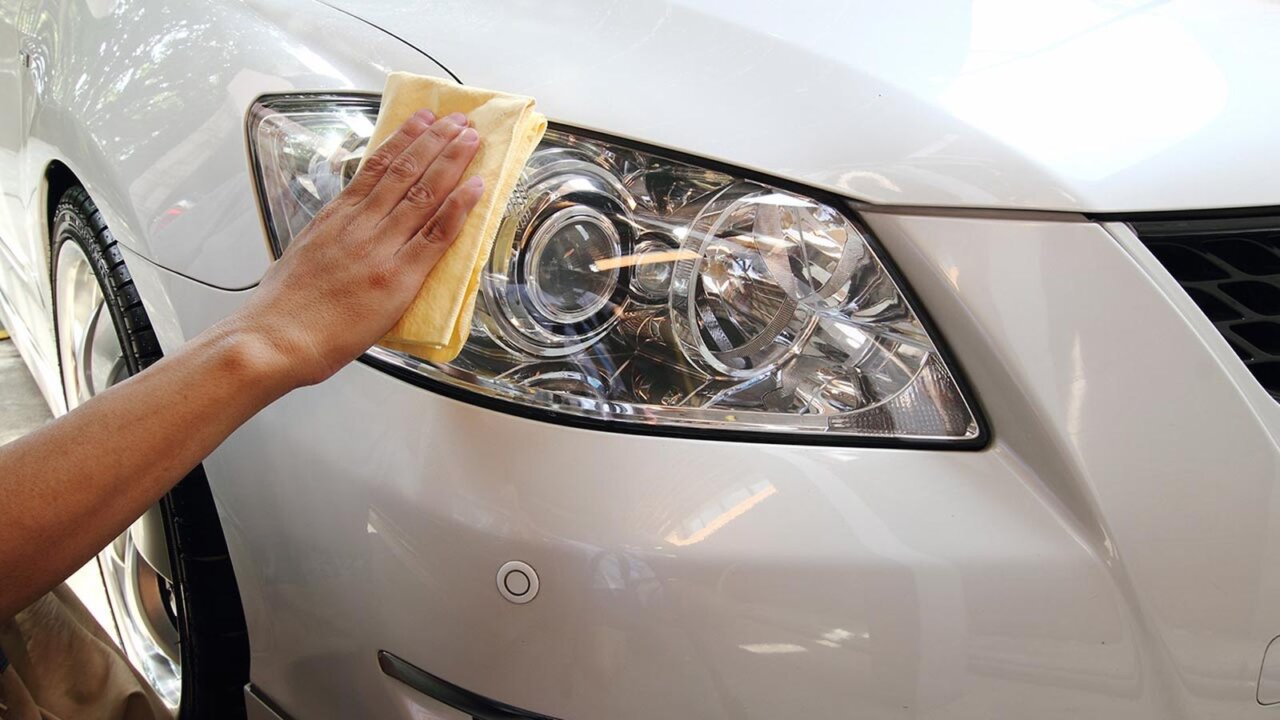
Most drivers in Ibiza wash their car after the summer, but forget to check the wiper blades, clean the headlights of saltpetre and check the battery before the rains. These three simple checks prevent eighty percent of visibility and starting problems in autumn, according to local garages.
The most neglected care on the island is the weekly cleaning of headlights to remove saltpetre, the monthly inspection of wiper blades and weatherstripping after the summer, and checking the level of windshield washer fluid, which is consumed more quickly because of the salt. In addition, few drivers wash the car with fresh water on a regular basis to remove salt from the underbody, where corrosion progresses unnoticed. The combination of salty air, intense sunshine and sudden autumn storms accelerates the wear of these components two to three times faster than in inland areas. With 560 cars per thousand inhabitants in the European Union according to Eurostat data for 2022, preventive maintenance becomes crucial to ensure safety on Ibiza’s roads.
The impact of the Mediterranean climate
The salty air penetrates metal seals, accelerates corrosion under the hood and leaves an invisible layer on the headlights that reduces their light output. The Mediterranean sun dries out windshield wiper blades and door weatherstripping, causing them to lose their flexibility. By the time autumn storms arrive, these elements are already damaged and do not respond properly.
Car vulnerabilities in Mediterranean climate

Visual diagram of the car showing the areas most affected by the Ibiza climate: headlights with 30% reduction in luminosity due to sea salt, wiper blades with cracks due to intense sun, weatherstripping with loss of elasticity, rear window demisting system, corrosion in the underbody of the vehicle and battery affected by constant humidity.
Ambient humidity influences battery performance, especially in cars that spend long periods at a standstill or make short journeys.
Reduced visibility, the weak point
After a day of sea breeze or after a light rain, a thin film forms on the windshield that reduces visibility by up to thirty percent. This loss of sharpness is accentuated at night, when reflections from opposing lights multiply on the dirty glass.
Many drivers check their wiper blades before the rainy months, as the combination of salt and moisture reduces their effectiveness much faster than on the mainland. Worn wiper blades leave streaks that make it difficult to see when storms arrive suddenly.
Schedule of basic revisions
The following table shows the recommended frequency for checking the most vulnerable components. Wiper blades need to be checked monthly, especially after the summer. Headlights require weekly cleaning to remove salt that reduces their power by up to 30 percent. The battery should be checked before winter, as moisture shortens its life.
| Component | Frequency | Climatic factor |
| Wiper blades | Monthly | Sun + sea salt |
| Headlights | Weekly | Sea salt |
| Rubber weather-stripping | Monthly | Sun + humidity |
| Tire pressure | Weekly | Temperature changes |
| Windshield washer fluid | Fortnightly | Consumption per salt |
| Battery | Before winter | Constant humidity |
| Complete washing | Weekly | Salt + powder |
Cleaning the headlights with a damp cloth and fresh water every week removes the layer of salt that reduces their light output. It is essential to wash the car with unsalted water on a regular basis, paying attention to underbody and recesses where corrosion progresses unnoticed. A useful trick: after washing the headlights, applying a thin layer of protective wax helps to repel saltpetre for longer.
The windshield washer fluid level should be checked frequently, as it is consumed faster in salty environments. Rubber weatherstrips need visual inspection: if cracks appear or have lost elasticity, they should be replaced to avoid leaks.
Tire pressure varies with sudden changes in temperature between day and night. A weekly check helps to maintain optimum grip. According to AUTODOC, “the function of the transverse filaments in the rear window of the vehicle is twofold: to demist the glass and to defrost it”. Checking this system is essential before the wetter months.
Finally, checking the condition of the battery before winter prevents unexpected failures. Ibiza conditions, with high humidity and frequent short journeys, shorten the life of this component. A simple test in a workshop will detect if it needs replacement.
Sources of information:
More information about automotive lighting – Recambioscoches.es
https://ec.europa.eu/eurostat/web/products-eurostat-news/w/ddn-20240117-1
Practical advice
How often should I wash my car in Ibiza? It is recommended to wash the car weekly with fresh water, paying special attention to the underbody and hidden areas where sea salt accumulates. A quick wash after days of intense sea breeze helps prevent accelerated corrosion.
When should I change the wiper blades in a Mediterranean climate? In Ibiza, wiper blades should be checked monthly and changed every three to four months, about half the time they would last in inland areas of the mainland. If they leave streaks or make noise when running, it is time to replace them immediately.