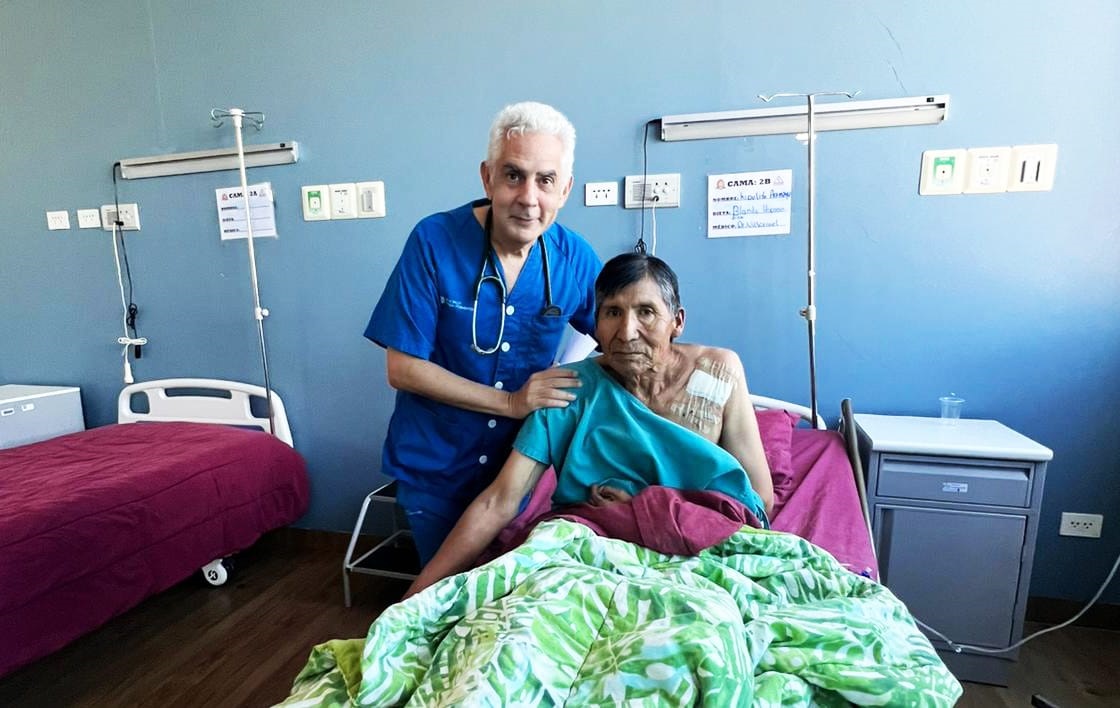
Dr. Jorge Raúl Castro Dorticos, cardiologist at Can Misses Hospital, participated last November in an international cooperation project promoted by the Spanish Society of Cardiology (SEC) and the NGO Puente de Solidaridad, with the aim of improving cardiology care in disadvantaged areas of Bolivia.
The initiative was developed at the Hospital del Norte in Cochabamba, where the medical team has carried out intensive care work focused on the diagnosis and treatment of cardiac diseases, especially those associated with Chagas disease, a pathology endemic in large regions of Latin America.
More than 150 consultations and 27 pacemakers implanted
During the cardiology mission, the team led by the Ibizan physician carried out a total of 150 cardiology consultations, 80 telemetries and 27 pacemaker implantations to patients without economic resources, many of them with serious cardiac conduction problems that required urgent intervention.
These actions have led to a substantial improvement in the quality of life and survival of the patients treated, in a healthcare context with significant limitations in terms of access to advanced medical technology.

The key role of Puente de Solidaridad
The NGO Puente de Solidaridad, based in Bolivia, has played a fundamental role in the development of the mission, acting as organizational and logistical liaison. Its functions include coordinating the transportation and accommodation of the medical team, ensuring adequate space for consultations and interventions, as well as collaborating with local doctors and health personnel.
In addition, the organization has been responsible for the identification and preparation of patients, ensuring that they meet the necessary clinical criteria, and has facilitated health-related bureaucratic procedures and the entry of medical equipment into the country.
Support to local physicians
In addition to face-to-face interventions, the project includes a system of specialized consulting and remote care, which allows medical assistance to continue after the end of the mission. Within this framework, nearly 300 clinical cases have been analyzed in regular teleconsultation meetings.
Through the Chagas Challenge program, telemedicine teams provide support and advice to local physicians, helping them to interpret cases and make therapeutic decisions, thus extending SECoopera ‘s reach and strengthening healthcare in under-resourced communities.
For Castro Dorticos, the experience has had a profound personal and professional meaning. “It has been an honor and a source of pride to lead this expedition to Bolivia and to be able to help patients from various regions, not only with healthcare, but also with social accompaniment and spiritual support,” he said.