
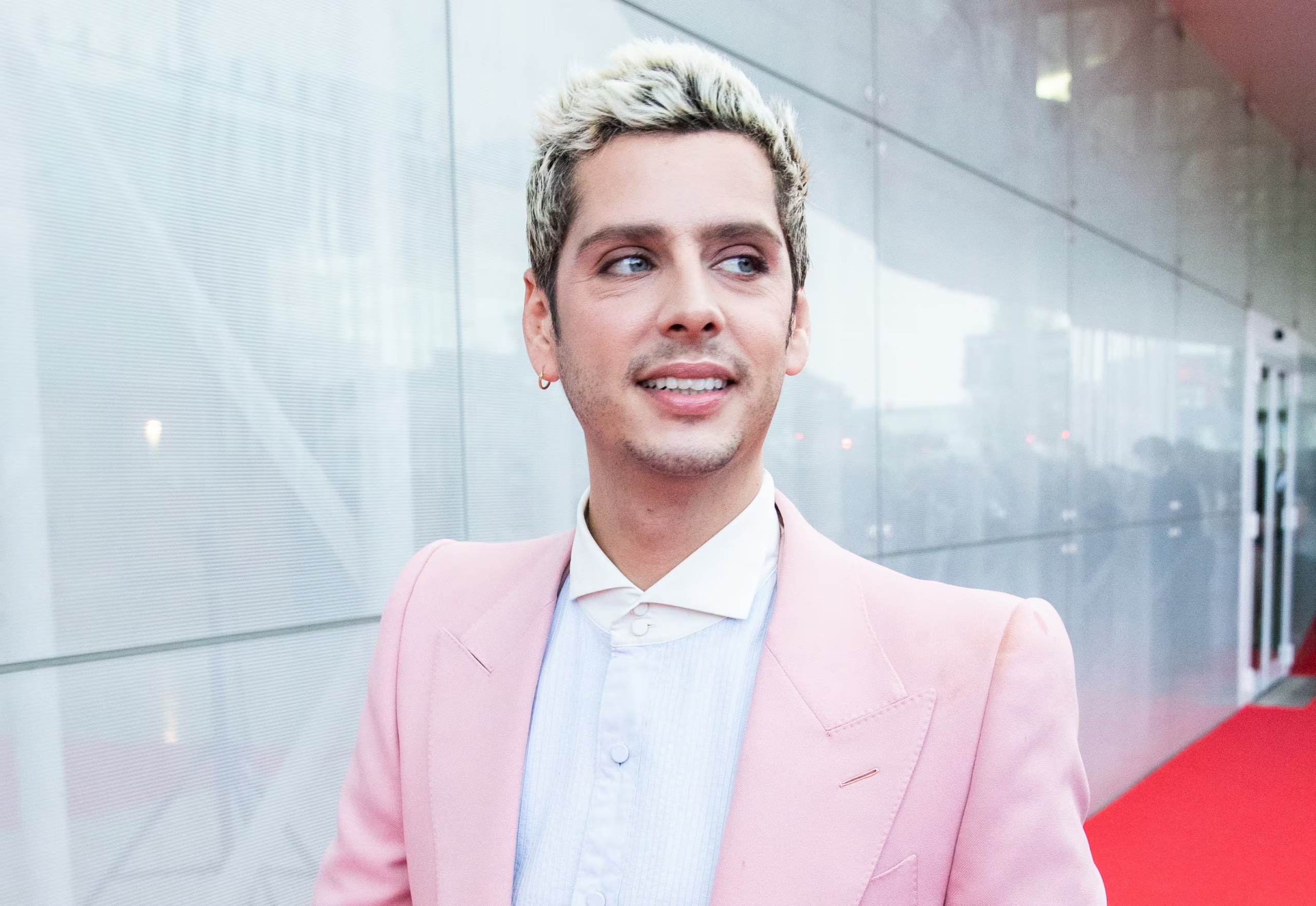
Actor and director Eduardo Casanova, known for his role as Fidel in the series Aida and for his later career as a filmmaker, has made public one of the most important revelations of his personal life.
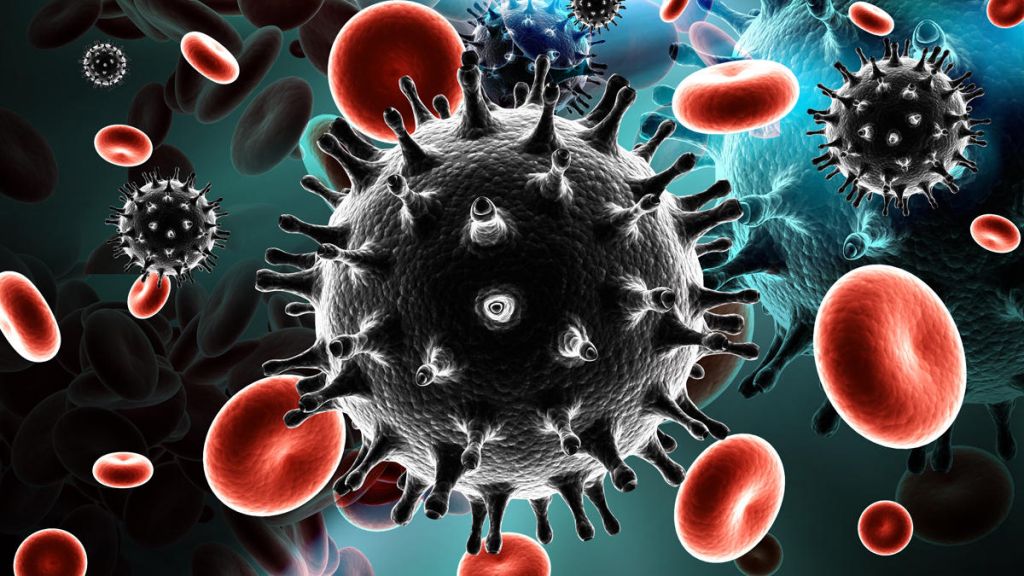
Through an open letter disseminated on social networks, the creator announced that he lives with HIV, a reality that he had been keeping private for years and that he has now decided to make visible in a conscious and voluntary way.
Eduardo Casanova’s message
In his message, Casanova explains that he has lived with the disease for a long time without making it public. He describes this silence as a difficult burden to bear, shared by many people with HIV who choose to hide their diagnosis for fear of social rejection. According to him, speaking out now is only his own decision, taken at the moment he felt ready.
The filmmaker stresses that this is not an impulsive confession, but a step he had been considering for some time. Telling it, he says, is part of a process of personal acceptance and emotional care, after years marked by uncertainty.
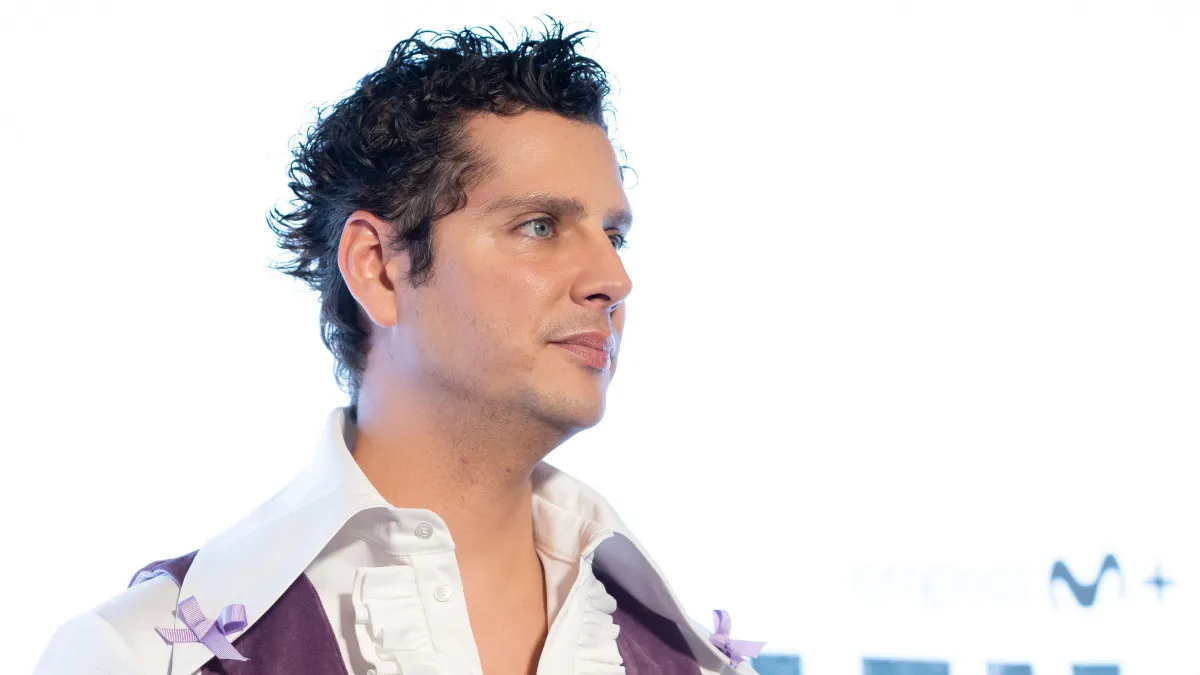
Making HIV visible with dignity
One of the central themes of his statement is the demand for dignity: Casanova denounces the stigma that still surrounds HIV and recalls that a large number of people living with the virus do not even share it with those closest to them. In his opinion, this fear of rejection conditions the lives of thousands of people and perpetuates unfair discrimination.
With his testimony, the actor aims to contribute to normalizing a reality that, despite medical advances, is still subject to prejudice. Speaking openly, he argues, is also a way to break down barriers and generate a more honest and empathetic conversation.
A documentary to tell their story
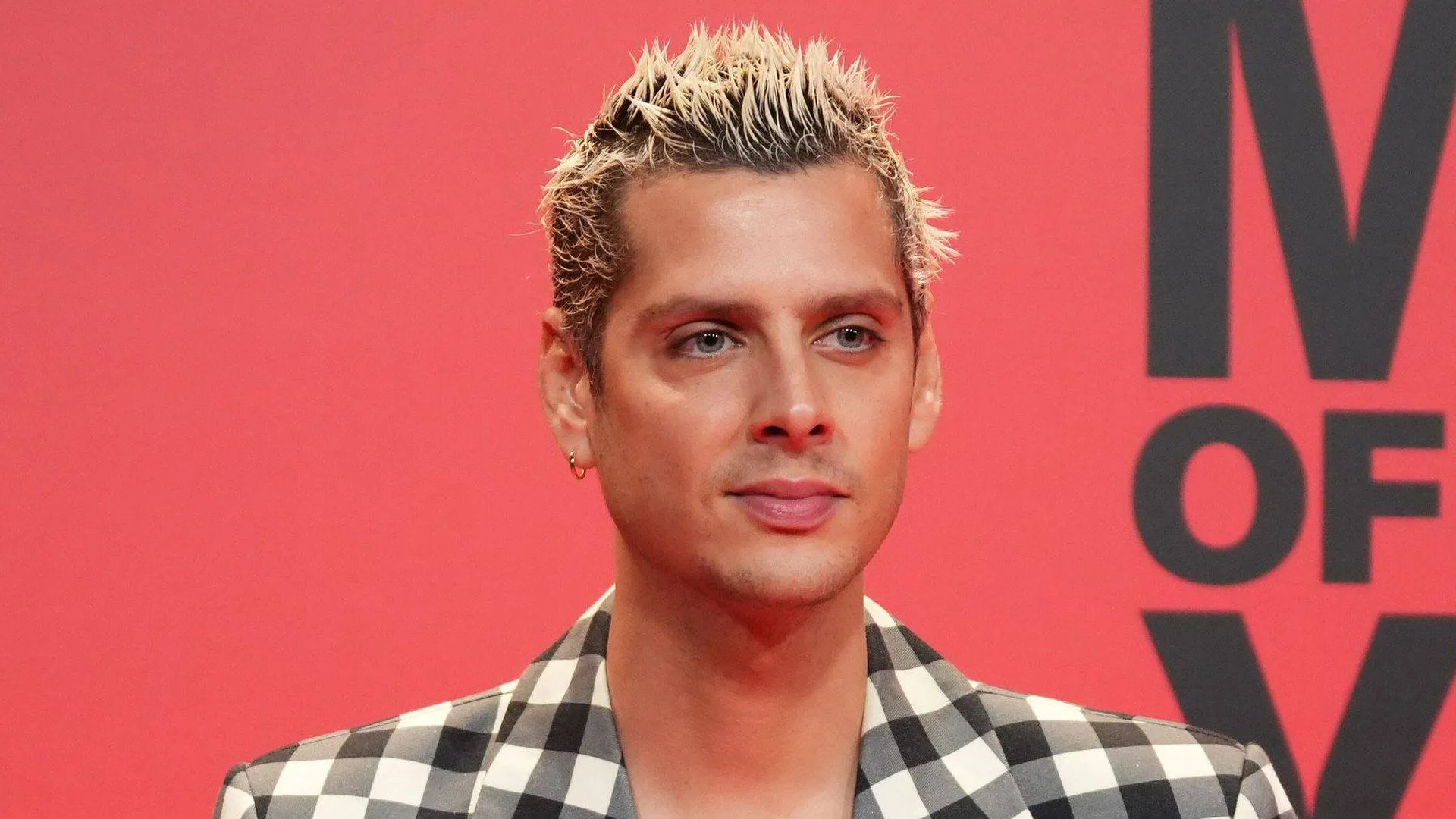
Casanova has decided to channel this experience through film, his main creative tool. The director has announced that he is working on a documentary film produced by Jordi Évole, in which he will address his experience with HIV.
The project, which will be released in theaters next year, was born with the intention of making the disease visible from a personal and artistic approach. Casanova has announced that he will share more details about the film, which is a new step in his career after titles such as Pieles and La Piedad.
The support of film artists
Along with the letter, the artist also published a video in which he acknowledges that, although many people around him advised him not to go public, there came a point when he could no longer remain silent. Telling, he says, has also been a way to ask for help and to free himself.

The reaction was not long in coming. In a few hours, the publication accumulated thousands of messages of support. Colleagues and friends such as Ester Expósito, Blanca Suárez, Hugo Silva, Milena Smit, Elena Furiase and Sandra Barneda publicly expressed their support, celebrating the courage of the gesture and the message that accompanies it.