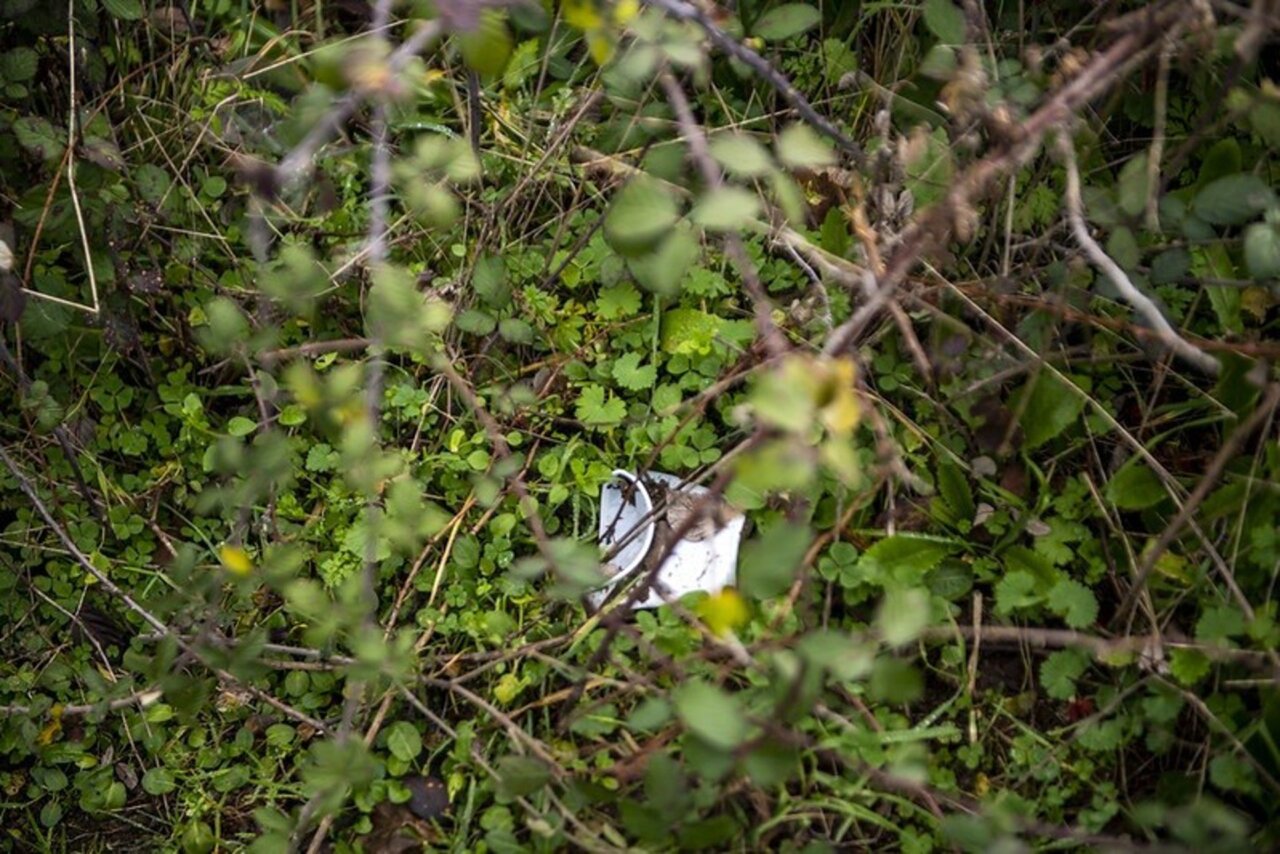
More than 120 volunteers have collected and characterized 1,230 garbage waste, the term that defines the garbage abandoned in natural environments, in ten natural areas of the Balearic Islands, in a citizen science initiative developed this year. Ibiza was present in the campaign thanks to the participation of the CEIP Sant Antoni, as reported by the organizers of the Libera project.
The action is part of the Libera project, promoted by SEO/BirdLife and Ecoembes, which analyzes the type, quantity and volume of abandoned waste to understand its origin and prevent its environmental impact, a problem that directly affects natural areas of islands such as Ibiza.
Cans, bottles and glass, the most common types of waste
Among the most common types of waste found in the Balearic Islands are beverage cans, glass bottles and jars and plastic bottles, a common typology in natural areas with human presence. These data show the pressure on the natural environment, also in island territories such as Ibiza, where landscape conservation is key.
At the national level, the results of this ninth edition of the Libera project reflect a similar pattern. Cigarette butts, beverage cans and small plastic fragments were the most commonly found waste in Spain as a whole, where 44,065 pieces of waste were characterized in fields, forests and woodlands.
Environmental education and volunteering in Ibiza
The campaign has had the involvement of public administrations, schools, companies and associations of the archipelago. In the case of Ibiza, the participation of the CEIP Sant Antoni, which joined in the tasks of collecting and characterizing waste as part of its environmental awareness work, has stood out.
Along with schools, associations such as the Red Cross have also collaborated in the organization of collection points in different municipalities, reinforcing the role of environmental volunteering in the fight against litter in the Balearic Islands.
Applications for mapping garbage in nature
As in previous editions, the participating groups have mainly used the mobile application ‘Basuraleza’, a tool that allows them to register the waste found in nature, access environmental training and participate in volunteer initiatives at the national level.
For those who have opted for more technical analysis, the ‘e-Litter’ application has also been available, oriented to the detailed registration of waste in terrestrial ecosystems. All the information collected is integrated into the databases of the Ministry for Ecological Transition and the Demographic Challenge and feeds the Garbage Barometer, the annual report that analyzes the evolution of this environmental problem.