
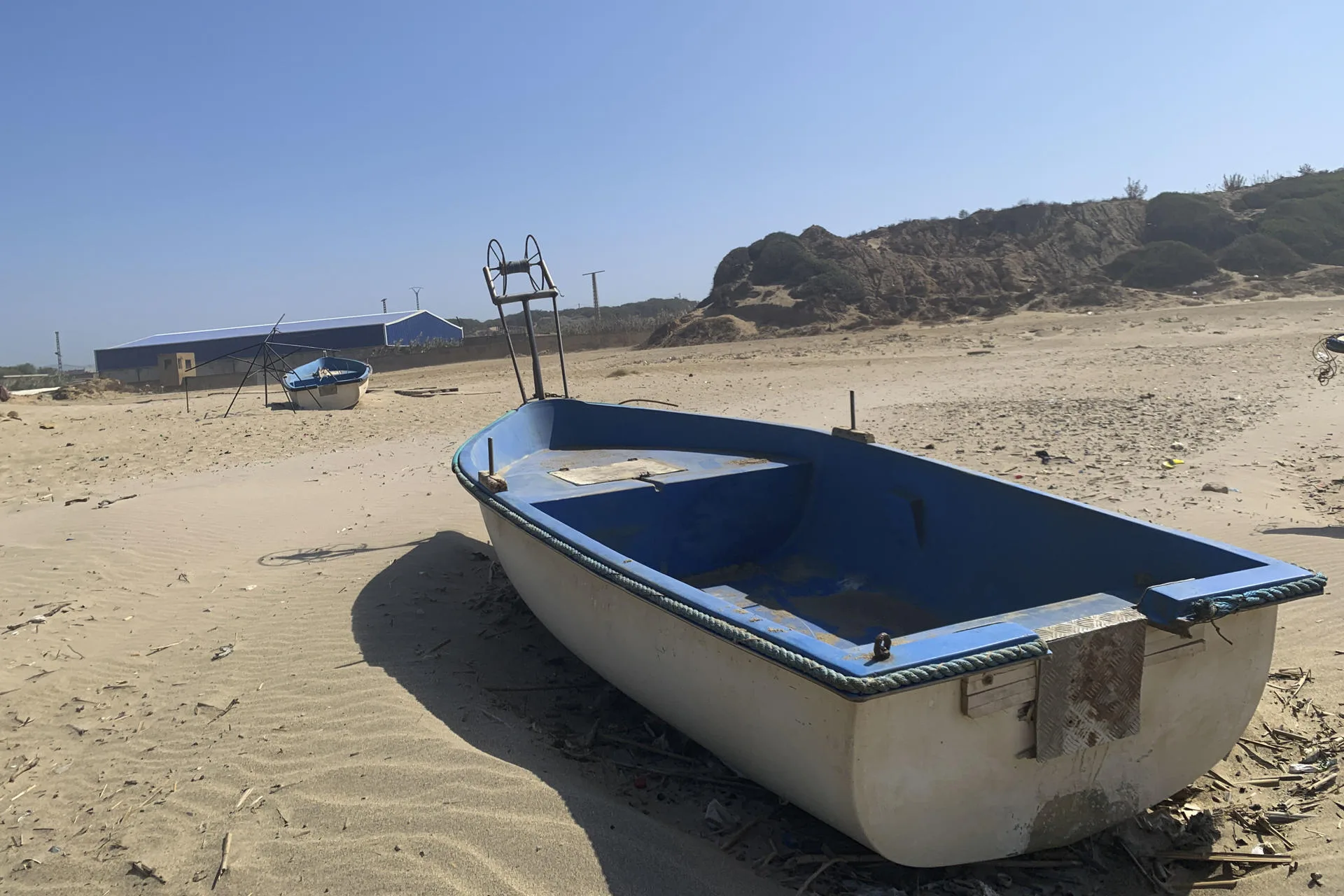
At least 1,037 migrants have disappeared and probably died in 2025 while trying to cross the Mediterranean by boat through the so-called Algerian route, according to the annual report Monitoring the right to life, prepared by the organization Caminando Fronteras and published on Monday. The NGO places the Balearic Islands as an authentic «laboratory of the necro-border«, where the hardening of controls, the dangerousness of the crossings and the deficiencies in the rescue systems converge.
The route connecting northern Algeria with the Levante peninsular and the Balearic archipelago has maintained constant activity throughout the year and has become the busiest migratory crossing to Spain, ahead of the Atlantic route to the Canary Islands and the routes from northern Morocco. The report also confirms a progressive shift towards the most dangerous part of the route, towards the Balearic Islands, especially Ibiza and Formentera.
According to Caminando Fronteras, there have even been detected departures of boats from the eastern region of Algeria that traditionally headed for the central Mediterranean, but have now changed course to try to reach the Pitiusas. The organization’s human rights observatory has documented 121 maritime tragedies throughout the year, of which 47 correspond to boats that have disappeared in their entirety, with no news of any of their occupants.
The number of victims was particularly concentrated in the months of January (136 deaths), October (144) and November (168), while the least deadly periods were July (44), May (45) and December (54). For the NGO, these figures reflect both the growing danger of the route and the lack of effective prevention and rescue mechanisms.

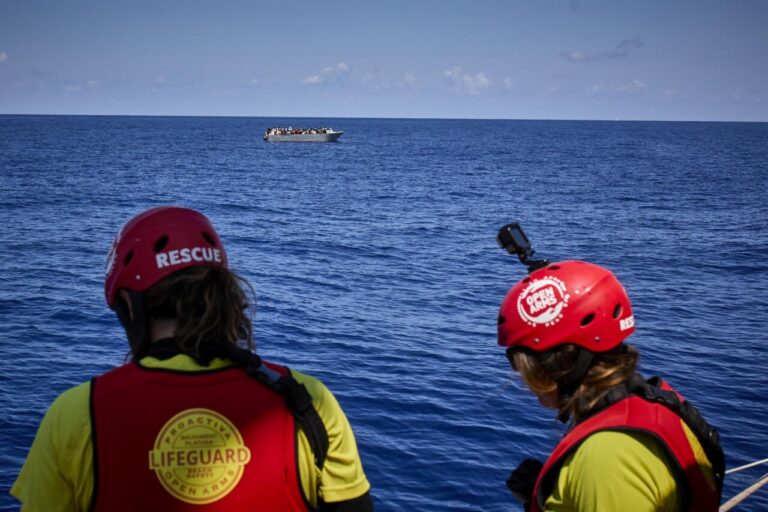
The report dedicates a specific section to the situation of the Balearic Islands, pointed out as one of the regions with the greatest «opacity» in the search for missing persons at sea. Caminando Fronteras denounces the persistence of passive searches, the limitation of the operations to areas close to the territory and a scarce cooperation between the countries responsible for the SAR areas, in charge of coordinating the rescues.
The organization also warns of the significant delay in the activation of search and rescue services and the use of inadequate methods when proactive operations would be necessary. As an example, it cites the arrival on the Balearic coasts of more than half a hundred corpses in 2025, which, according to the NGO, indicates that many of these people had drowned «shortly before appearing on the beach«.
«The authorities must ask themselves whether these shipwrecks could have been avoided and open investigations to ensure effective protection of the right to life at sea. Unfortunately, this is not happening,» the report stresses. The result, warns Caminando Fronteras, is cemeteries with unmarked graves, people buried without identification or ceremony, and families who never know the fate of their loved ones.
One of the places where this reality is most visible is the cemetery of Formentera, where the undertaker has chosen to write on each grave the date of appearance of the corpse. A gesture that, as he explains, seeks to preserve the memory of the victims and to offer a minimum clue to the families who, from the other side of the Mediterranean, are still waiting for answers.