
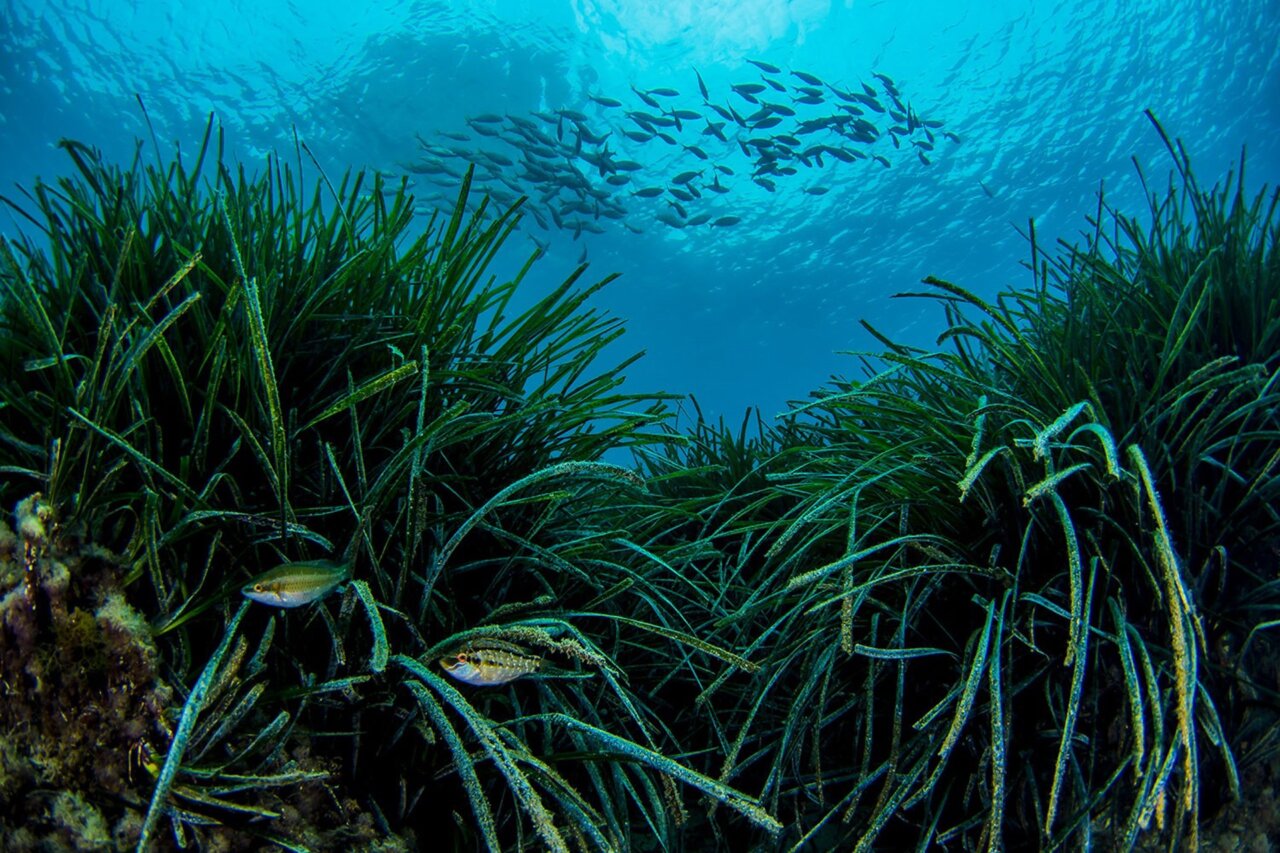
A study developed by the Mediterranean Institute of Advanced Studies (Imedea) and the MedGardens initiative, promoted by the Cleanwave Foundation, has determined which methods are more effective and sustainable for the recovery of posidonia meadows in the Balearic Islands. The research, published by the University of the Balearic Islands (UIB), analyzed who is involved (scientific teams and environmental organizations), what techniques are compared, when it was carried out (two years of monitoring), where they were applied (Formentor and Portocolom bays, Mallorca) and why it was necessary: traditional restoration has so far offered «limited success».
Anchoring methods, cost and environmental footprint
The project evaluated different replanting procedures for this marine plant, essential for the conservation of the Mediterranean and protected in areas such as Ses Salines. The analysis compared for the first time several types of anchoring, weighing not only their ecological performance but also practical elements such as cost, supply, carbon footprint and logistics, key factors for planning large-scale actions.
According to UIB, gardening staples and bamboo rods were the solutions that showed the best results, combining high efficiency and minimal environmental impact. Each paragraph must contain bold or hyperlinks and here the requirement is maintained by the highlighted sentence.
94 % survival rate
After two years of follow-up, the researchers observed that these two techniques achieved a survival rate of 94%, a figure considered «far superior» to traditional methods. In addition, they are low cost, easily available and reduce disturbance to the marine environment.
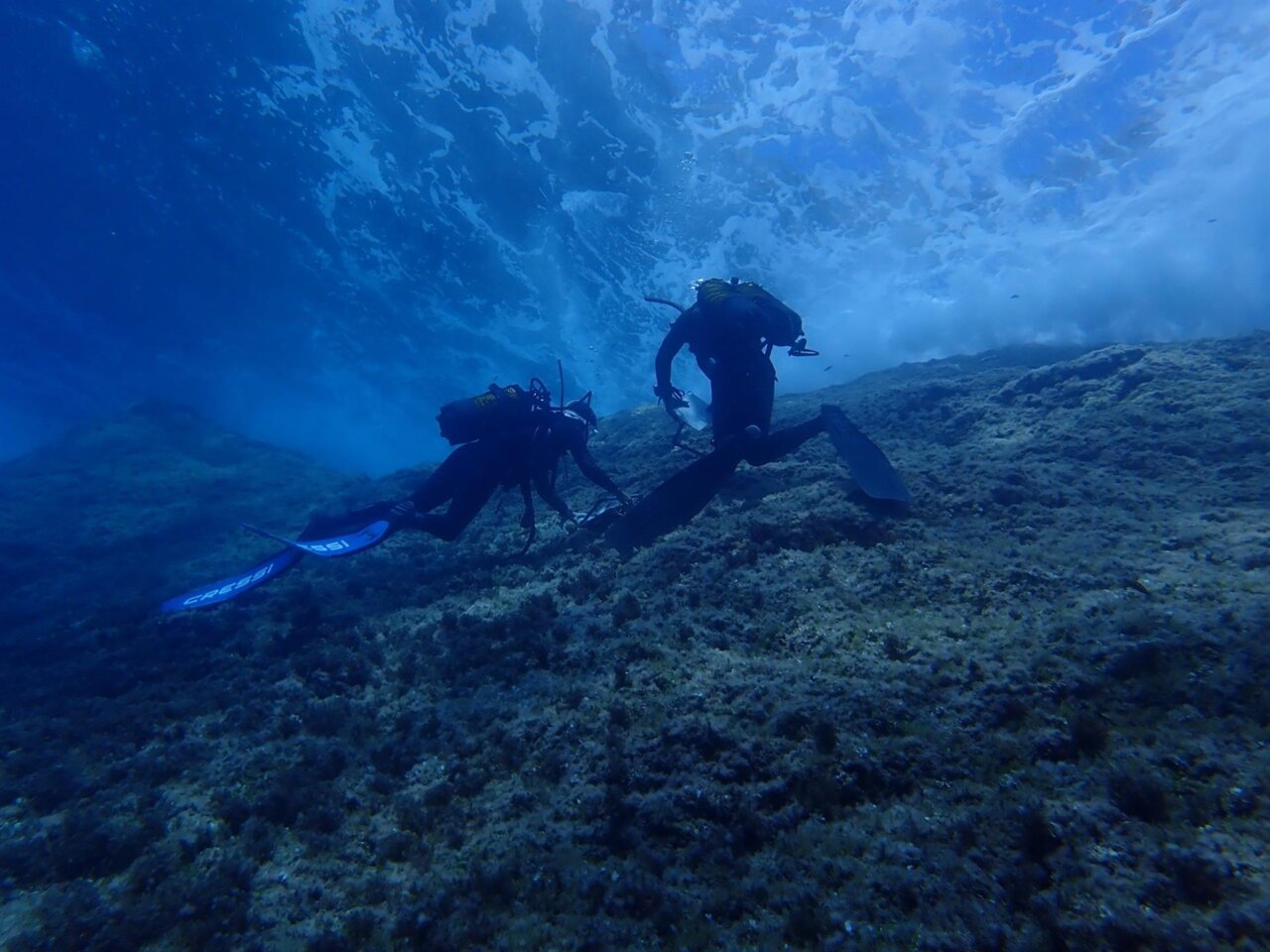
«The research demonstrates that posidonia meadows can be restored in a more affordable and environmentally friendly way, integrating ecological, economic and logistical criteria. This is key to designing viable and sustainable projects in the long term,» the authors of the study emphasized.