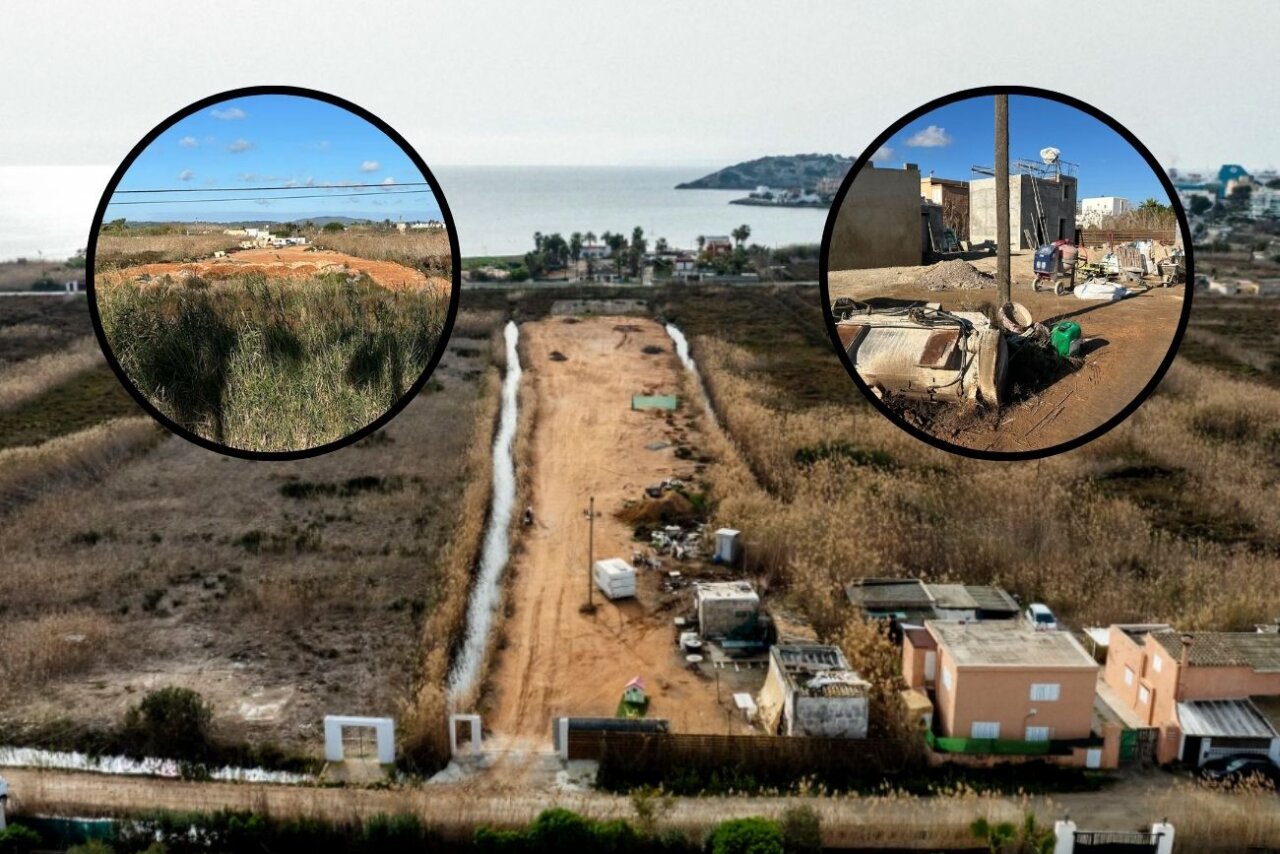


Hard hand of the president of the Consell de Ibiza, Vicent Marí, in the prescription in housing matters. The president has drawn this Sunday his proposal to alleviate the housing problem on the island, the real Achilles heel of a successful model not without externalities.
In a way, it is a complete change of model because the current model has collapsed and the market is not providing satisfactory answers. It is based on three axes: slowing growth; prioritizing residents and companies and administrations to house their workers; and to reinforce legal security against squatting and non-payment.
Vicent Marí has developed these ideas in interviews granted to Diario de Ibiza and Periódico de Ibiza y Formentera, in which he places the housing emergency as one of the main social and economic risks of the island.
Slowing growth to avoid collapse
One of the clearest messages from the president of the Consell de Ibiza is the need to set limits to growth. Marí warns that Ibiza is approaching a situation of collapse if the current model is not rethought and argues that the island must begin to assume that it cannot continue to grow at the current rate.

In a way, the fight against illegal tourist rentals through the Office against Intrusiveness that has given such good results this summer is the first leg of the containment. Vicent Marí recalled that 14,500 places have been removed from the tourist rental market, which has meant 7,000 fewer visitors per day and, consequently, less business for the complementary offer.
In this context, he slips the idea that the new housing to be built should be exclusively for residents, in order to prevent the local population from being forced to leave the island for unaffordable prices.
In any case, this idea clashes with the legal system of the European Union and the sacrosanct freedom of goods, persons and capital, and is only viable for housing that has some type of public protection, either purchase or rental, either public, private or mixed.
Residents first in a housing emergency
Marí links the housing crisis to the loss of resident population and argues that public policies should focus on guaranteeing access to housing for those who live and work in Ibiza year-round.

His discourse points to a clear shift: less quantitative growth and more resident protection, in a stressed market where housing has ceased to fulfill its social function and has become an inaccessible good for large sectors of the population.
Housed workers: direct responsibility of companies and administration
One of the strongest aspects of Marí’s statements is the message addressed to the business community. The president of the Consell de Ibiza considers it unacceptable that employed people live in shantytowns or substandard housing.
«Whoever has a job must have a decent place,» he says in Diario de Ibiza, and stresses that it cannot be normalized that companies hire workers who live badly in settlements.
Marí argues that companies should assume their responsibility and find housing for their workers if they know they are in substandard housing, not only as a matter of dignity, but also of safety.
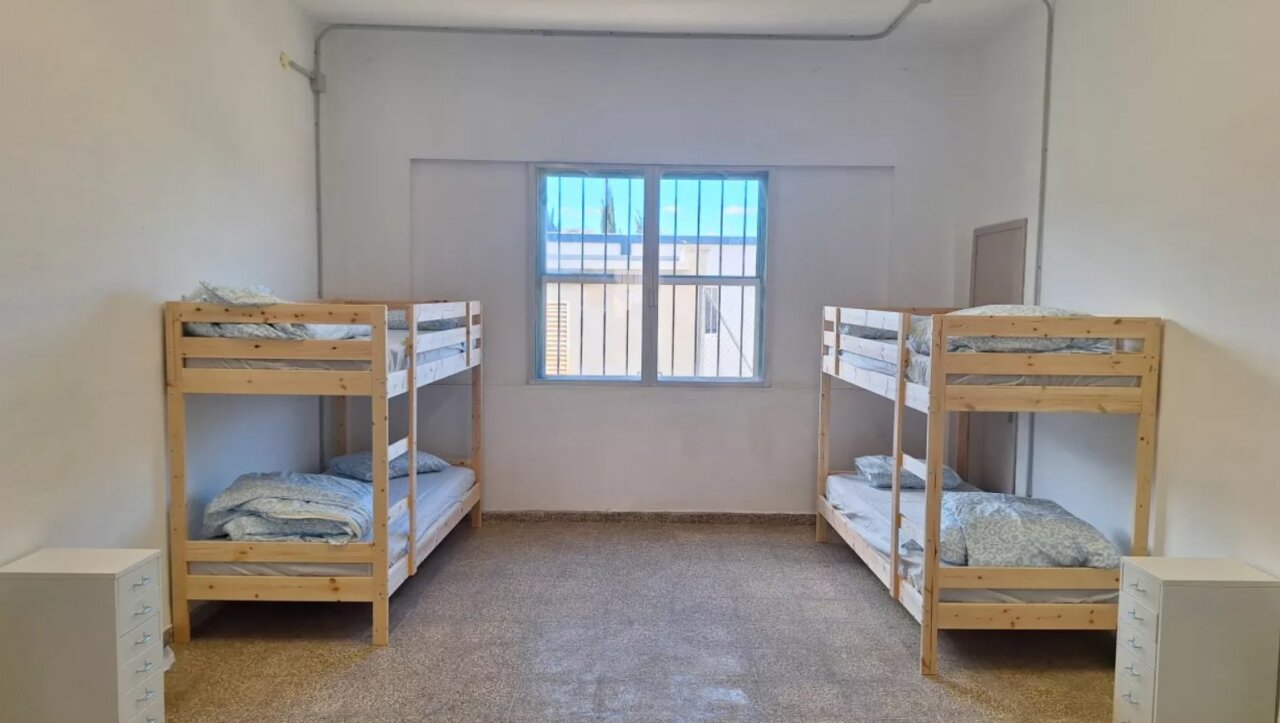
The tug of war is extensive to the administrations. In this sense, it highlights the efforts of the Consell de Ibiza and the Govern in the construction of the residence for the Guardia Civil del Mar and the future student residence associated with the School of Hospitality and the School of Tourism. He claims to the Government the construction of the residence for national police officers in the plot annexed to the police station of Ibiza.
Residences for workers and essential services
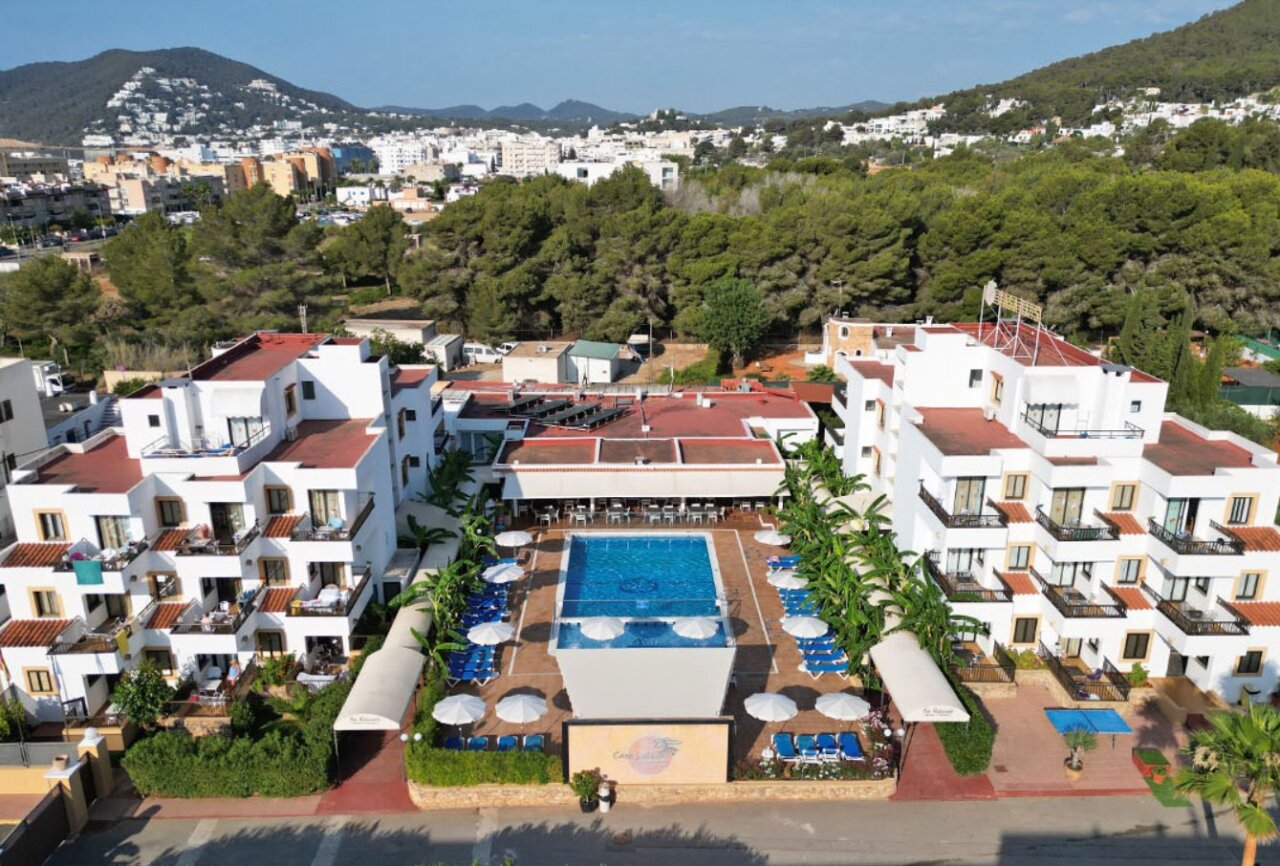
In this line, the president of the Consell proposes the creation of residences for workers, especially seasonal workers, with adequate services and conditions. It also recalls that homelessness affects essential public services, such as security forces.
The Government’s housing emergency decree facilitates the construction of residences for workers on vacant tourist land that can hardly be destined to the market in a horizon without new tourist beaches.
For the residents, he recalls that the Balearic Government is promoting about a thousand houses, although he recognizes that they will not be immediate and that their execution will take three or four years.
Zero tolerance for squatting and non-payment of bills
The third pillar of Marí’s speech is legal certainty. In Periódico de Ibiza y Formentera, the president of the Consell directly links squatting and non-payment with the withdrawal of housing from the rental market.
«The solution is not only to build more, but also to return vacant or illegal housing to the residential rental market. For this to happen, it is essential that there is legal certainty,» he says.
Marí warns that without clear rules that allow eviction in case of squatting or non-payment, many small owners with bad experiences will not rent again, which explains why there are currently many empty homes in Ibiza.