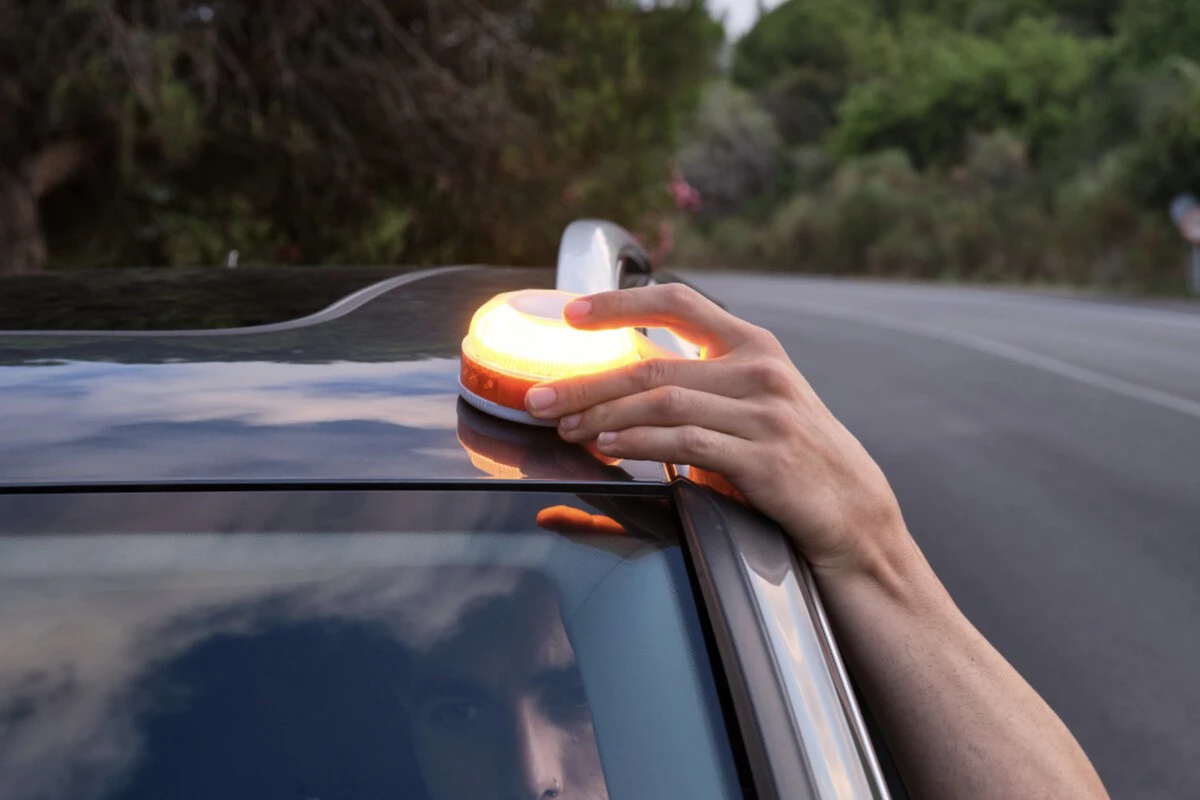
FACUA-Consumers in Action has filed a formal complaint with the Ministry of Social Rights, Consumption and Agenda 2030 against several e-commerce platforms for selling V16 beacons without connectivity with the DGT without clearly informing consumers that these devices will no longer be valid as of January 1, 2026.
According to the association, the problem is not that these beacons are being sold (since their marketing is still legal), but that there is no visible warning that their homologation has an expiration date, which may lead buyers to think that it is a product valid in the long term.
What products are being sold and where is the problem?
FACUA has detected that these beacons are still for sale on platforms such as Amazon, AliExpress and Leroy Merlin. In many cases, the ads include expressions such as “approved by the DGT”, but do not clarify that these are models without connectivity, which will cease to serve as a mandatory signaling system in just over a year.
The organization considers that this information is essential for the consumer to be able to make an informed decision. In fact, some users have already warned in the advertisements’ own comments about the lack of clarity regarding the expiration of the approval.
Why FACUA considers that the law is being violated
FACUA argues that this practice breaches the General Law for the Defense of Consumers and Users, which requires clear, sufficient and truthful information to be provided prior to purchase. The regulation establishes that the essential characteristics of the product must be explained, especially those that condition its future use.
In addition, it reminds that hiding relevant data, such as the date on which a product ceases to be valid, can be considered an unfair commercial practice, as stated in the Unfair Competition Law. This is in addition to the non-compliance with Royal Decree 1030/2022, which regulates the transitional period for V16 beacons and requires transparency from manufacturers and sellers.
What FACUA is asking for and what consumers can do
In view of this situation, FACUA has requested the Ministry of Consumer Affairs to open sanctioning proceedings and to force the platforms and sellers to clearly and visibly inform about the expiration date of these beacons.
The association also criticizes the lack of action by the DGT, as it has not publicly warned about the sale of these devices, despite the fact that its logo is used as an advertising claim, which may be misleading.
Finally, FACUA recalls that consumers who have purchased these beacons have the right to claim their money back, considering that the purchase may have been made without having all the necessary information.