The respiratory virus season has begun in earnest in Europe and healthcare systems are already anticipating a complicated winter. The joint circulation of influenza, SARS-CoV-2 and respiratory syncytial virus (RSV) is once again putting pressure on hospitals and primary care centers, a phenomenon that is repeated every year but which in this 2025 season shows differential elements.
The flu, which causes between 15,000 and 70,000 deaths a year and up to 50 million symptomatic cases on the continent, has come several weeks early, prompting experts to reinforce their warnings.
What is known about this year’s predominant H3N2 flu?
Influenza affects all age groups, although children continue to lead in infection rates and often act as the main vector of transmission in households. Under normal conditions, one in five Europeans is infected each year. There are two main types circulating among humans: the A virus, which is more variable and responsible for most epidemics, and the B virus, which is maintained almost exclusively in humans.
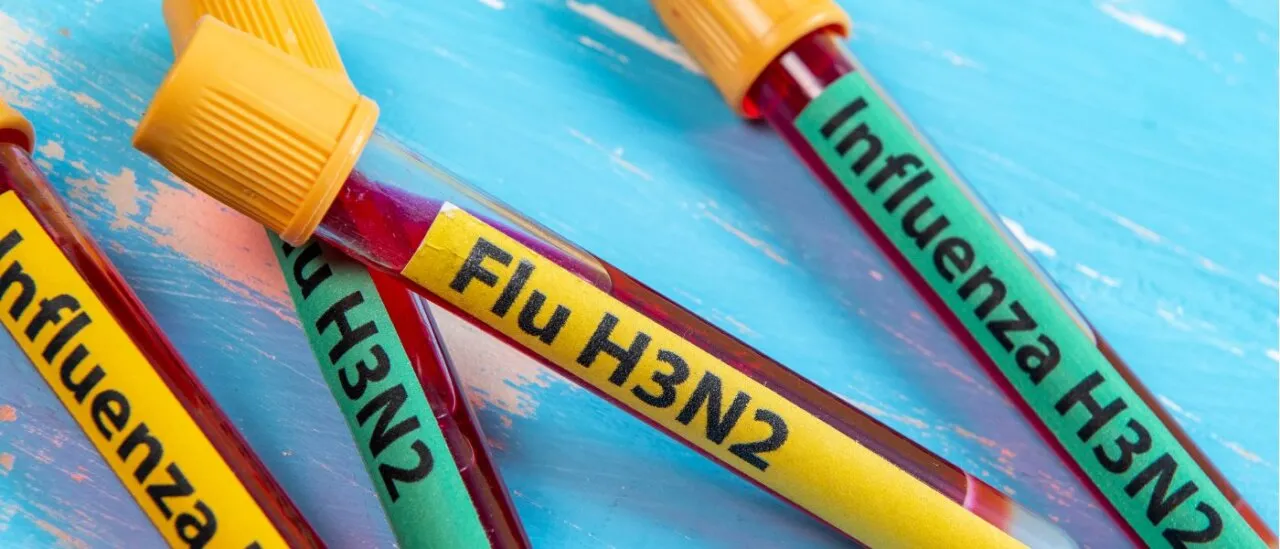
Within influenza A, subtypes are classified according to the combination of two proteins, H and N, and currently the most widespread in humans are H1N1 and H3N2. The latter is the protagonist of the season: in particular, a subclade called K, which has been gaining ground rapidly, accounts for almost half of the H3N2 samples analyzed in the European Union and up to 90% in countries such as the United Kingdom and Japan.
A season ahead of schedule and with unusual behavior
The behavior of influenza has surprised epidemiological surveillance systems: Japan recorded an early rise from October onwards and Europe seems to have followed the same trend. Spain, for example, passed the epidemic threshold earlier than expected, confirming that the virus is several weeks earlier than in recent seasons.
The predominance of H3N2 (instead of H1N1, more common in recent years) may explain part of the increase. After several seasons with little circulation of this subtype, the population has fewer natural defenses, which facilitates a rebound in infections.
Subclade K: a virus that changes, but is not more aggressive

Despite its expansion, specialists agree that subclade K does not represent a significant evolutionary leap: it is not a new or more dangerous virus, but a variant of H3N2 which has been circulating since the late 1960s and which accumulates mutations due to its constant evolution. For the time being, no changes associated with greater clinical severity or resistance to antivirals have been detected.
Asian countries where its circulation has begun to decline have not recorded a notable increase in severe cases, reinforcing the impression that it is not a more harmful virus, but simply more prevalent.
More cases and health pressure: what can happen this winter?
Even without increased virulence, the virus’ ability to spread anticipates a more intense season. Years dominated by H3N2 usually result in lower vaccine efficacy and more hospitalizations among older adults, one of the most at-risk groups.
The usual symptoms remain: sudden fever, muscle aches, extreme tiredness, dry cough, sore throat and headache. Gastrointestinal discomfort may occur in some patients. The rapid onset of these signs remains characteristic of seasonal influenza.
Is the vaccine ready for this variant?
Influenza vaccines are made from the viruses that circulated the previous year, which always implies some margin for error if the pathogen evolves faster than expected. This season’s immunization includes components for H1N1, H3N2 and influenza B, but was designed before the expansion of the K subclade.
Although some analyses suggest that this variant differs from the strain included in the vaccine, there is still insufficient data to determine how much protection is reduced. Even so, researchers insist that the vaccine will continue to dampen severe cases, so it is considered the most effective preventive tool.
Vaccination as soon as possible, the unanimous recommendation
With an early season, the window for developing full immunity is shortened. Experts advise receiving the vaccine as early as possible, especially in the elderly, pregnant women, individuals with chronic diseases or weakened immune systems.
The overall risk remains at moderate levels, but the combination of early circulation, predominance of H3N2 and a virus slightly distant from the vaccine strain could consolidate a complex winter for health services.