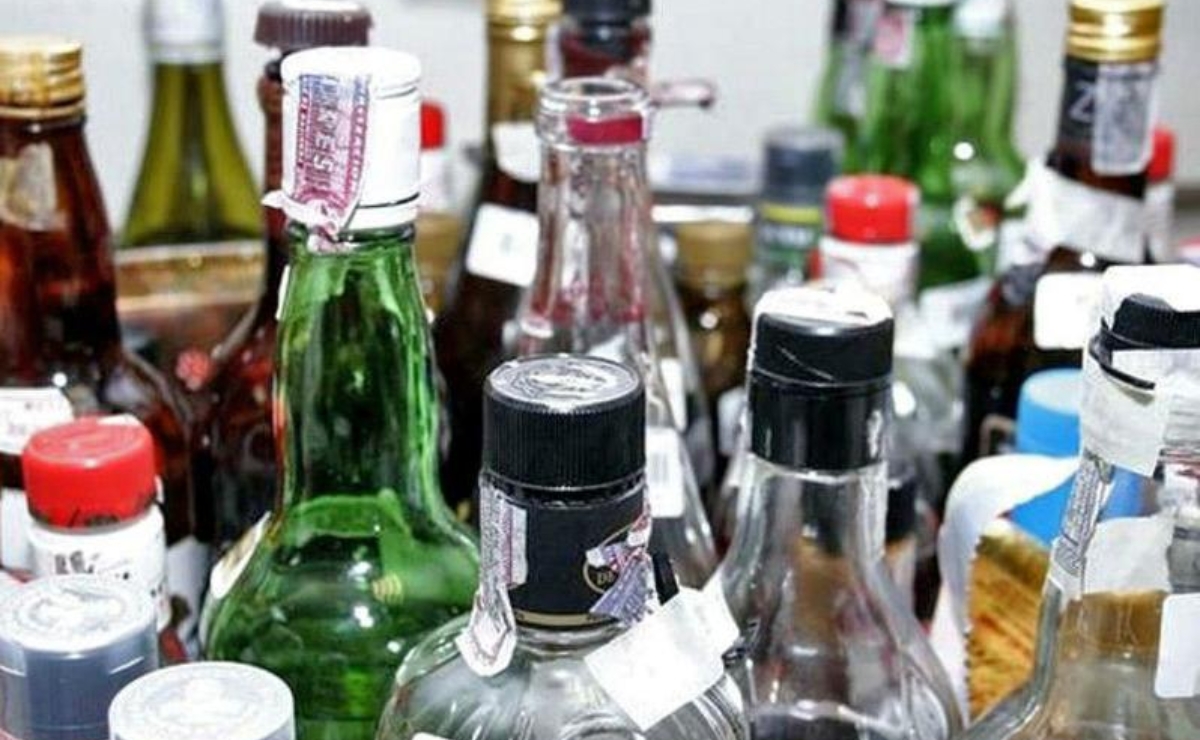
In a context of end-of-year celebrations where excesses are often normalized, CEPCA (Center for the Study and Prevention of Addictive Behavior) calls for reflection on the role of adults as role models for the new generations. According to Belén Albite, director of the center, socialization in alcohol consumption begins, in many cases, at home.
Data from the latest 2022 study reveal that 23% of adolescents consumed their first drink with their parents, grandparents or other direct relatives, which establishes a basis of normalization that can lead to future problems, according to Albite in a dialogue with Radio Ibiza.
New addictions and the Ibiza “laboratory”.
During the interview, the specialist said that CEPCA is preparing to conduct a new comprehensive study in 2026, coinciding with its 25 years of preventive work in the Consell de Ibiza. This research will serve as a “GPS” to understand the current dynamics of consumption. Among the trends of most concern is the use of vapers, energy drinks and the consumption of benzodiazepines mixed with alcohol, a “fashion” that CEPCA detected on the island before it manifested itself nationally.
Ibiza, described as a “drug laboratory” where trends arrive earlier than in other places, has nevertheless achieved a significant advance: delaying the age of onset of alcohol consumption to match the Spanish average.
Sex education: getting there earlier to avoid abuse
One of the most critical points pointed out by Albite is the urgency of implementing Comprehensive Sex Education (ESI) from an earlier age. CEPCA plans to bring forward its interventions to 10 and 11 years old (primary school) to talk about puberty and physical changes, seeking coherence between school and home messages.
The need is pressing: Albite warns that many adolescents have experienced situations of sexual abuse that they are not able to identify as such. “We are going backwards,” the director states on the program Hoy por hoy, referring to a regression in the perception of sexual rights and autonomy.
Violence, traditional roles and homophobia
The school panorama also reflects ideological and social tensions. CEPCA technicians report a return to traditional gender roles (the “macho role” as opposed to female submission) and an increase in violence also exercised by young girls towards their peers. Albite criticizes the influence of certain television programs that project unhealthy relationship models, far removed from human reality.
In addition, the center has detected an increase in homophobic attitudes within the classroom. There have been cases of students refusing to sit on rainbow-painted benches for fear of stigma, a reality that Albite describes as “unkind” to the LGTBI collective, which suffers from so-called “minority stress”.
Despite the challenges and the increase in demand in educational centers – reaching 13,000 students this year – CEPCA maintains a stable team that has seen several generations of Ibizans grow up. The goal for 2026 remains the same: to work for a healthier and more balanced society, where young people have the necessary tools for their future development.