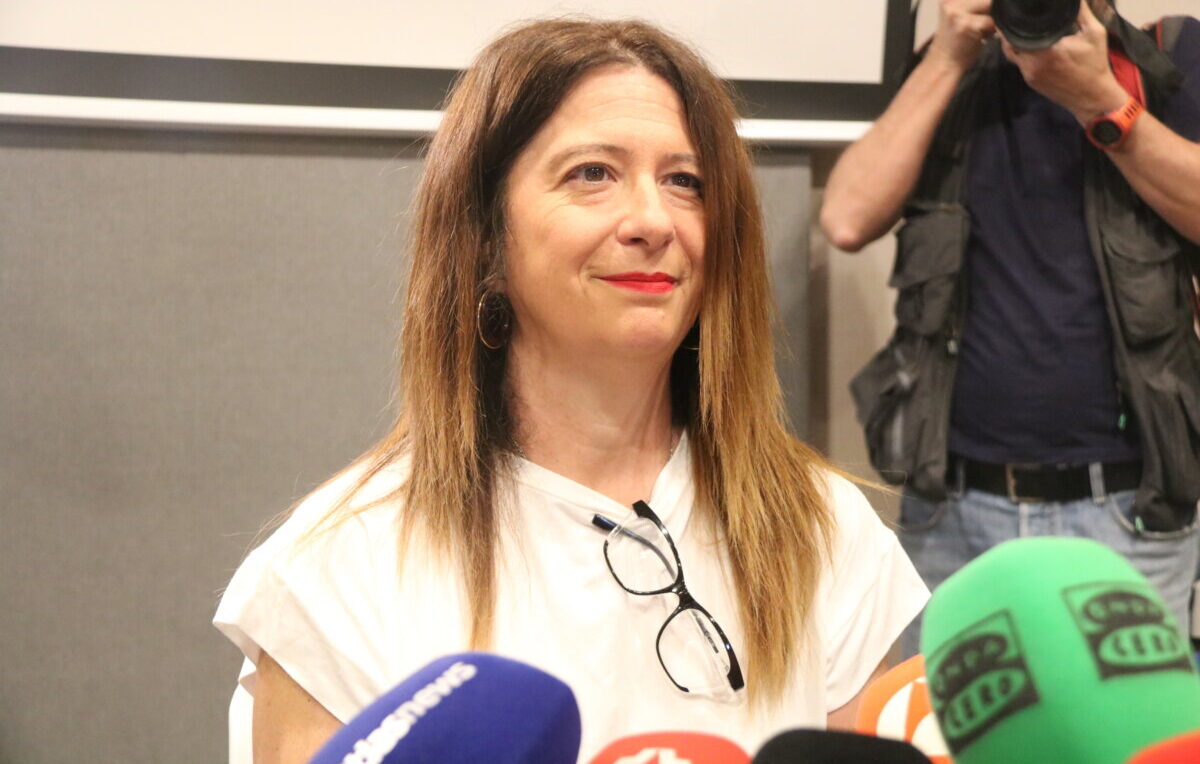
The arrest of Leire Díez Castro (known within the PSOE as the “plumber of Ferraz”) marks a new chapter in the judicial cases surrounding the party and opens questions about the role she played in the internal socialist structure.
His profile, traditionally discreet, has been shaken by his indictment for alleged bribery and influence peddling, crimes investigated by the Court of Instruction No. 9 of Madrid.
The media relevance of the case is explained not only by the accusations, but also by its close relationship with the PSOE leadership, especially with Santos Cerdán.
Leire Díez’s trajectory and her personal environment
Leire Díez, 51 years old and born in 1975 in Portugalete, Vizcaya), built her career in parallel to the organizational development of the PSOE. Although very little is known about her private life, she is married and the mother of two daughters in their early twenties.
Her training was at the University of the Basque Country, where she obtained a degree in Information Sciences. That degree opened the doors to jobs in the public sector, including positions of responsibility in Enusa and Correos, in addition to her time in the City Council of Vega de Pas (Cantabria), where she served as a socialist councilor between 2011 and 2015.
He joined the Socialist Youth in the 1990s and, since then, his rise took place without major media spotlights, but with growing influence in the internal party machinery.
Leire Díez’s relationship with Santos Cerdán and Pedro Sánchez
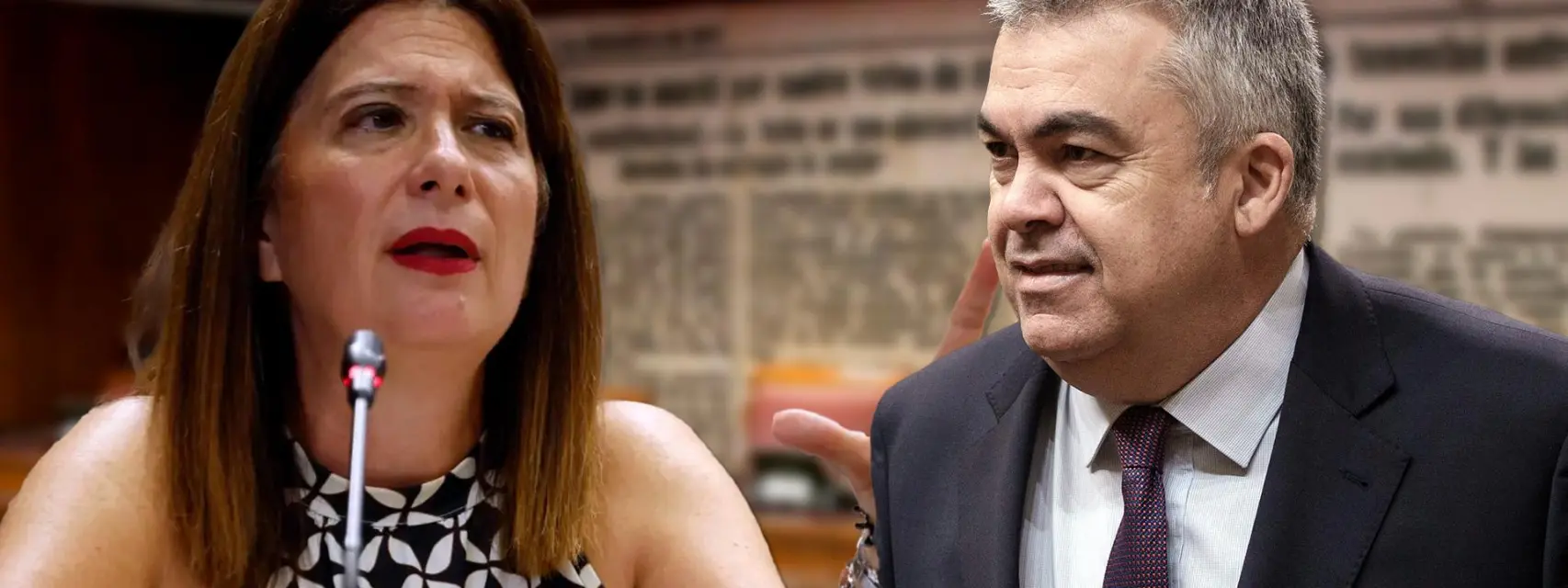
The connection between Díez and Santos Cerdán goes back to years of organic work within the PSOE, but intensified when he assumed the Secretariat of Organization. Since then, Díez became his most trusted collaborator and the one in charge of carrying out strategic decisions affecting the party’s operations.
Regarding Pedro Sánchez, Díez herself has stated that there was no relationship beyond protocol meetings at public events. However, her closeness to Cerdán (considered one of the most influential figures of Sanchismo) indirectly placed her in the heart of the leadership.
Its link to the Koldo case
His name appears in the investigation into the awarding of public contracts during his time at the top of Correos together with Juan Manuel Serrano, then chief of staff of the President of the Government. Both validated orders for almost two million euros to Sortis Telecommunications between 2021 and 2023.
The company, chaired by Israel Pilar, is considered by investigators as an essential node in the alleged corruption network known as the Koldo case. The awards raised suspicions from the beginning due to Sortis’ links with opaque structures in Panama and its role in other international networks.
The Supreme Court’s investigations place Sortis as the starting point of an organization that allegedly used ministerial influence to gain access to public contracts during the pandemic: it is also being investigated whether commissions were paid in cash, as stated by businessman Victor de Aldama.
The severing of ties between Correos and Sortis occurred when Pedro Saura assumed the presidency in December 2023, which also meant the departure of Díez and exposed a network of particularly questionable awards.
Why Leire Díez was arrested: the causes of her investigation

The arrest of Leire Díez on Wednesday is the result of an operation ordered by the Court of Instruction No. 9 of Madrid, in which was also arrested Vicente Fernández Guerrero, who chaired SEPI. Both were intercepted within the framework of an investigation led by the Audiencia Nacional about alleged irregularities in public procurement, a case which is under the supervision of the Anti-Corruption Prosecutor’s Office.
According to sources close to the proceedings quoted by EFE, the operation remains open and the secrecy of the summary prevents knowing for now the full scope of the facts under investigation. Both Díez and Fernández Guerrero remain in the premises of the Guardia Civil in Tres Cantos while the proceedings continue.
This line of investigation, linked to the analysis of contracts awarded from public entities, runs in parallel (although now they coincide temporarily) with another procedure that directly affects Díez in the courts of Madrid. In this second case, the instructor investigates if the former Correos executive participated in maneuvers oriented to interfere in judicial investigations, allegedly trying to influence the actions of the Public Prosecutor’s Office and of the Civil Guard commanders. The judge is investigating her for possible crimes of bribery and influence peddling.
Díez herself has publicly defended that her actions were part of an alleged investigation, but the indictment contains a recording in which, during a conversation with the prosecutor Ignacio Stampa, she presents herself as a direct collaborator of Santos Cerdán and as the person designated by the party to analyze possible internal irregularities.
This testimony, incorporated into the case, is especially relevant for the magistrate, who considers that her role could have been more active than she claims.