The figure of Jeffrey Epstein returns to the center of controversy after the publication of a large set of unpublished images of his private island in the U.S. Virgin Islands. Democrats on the House Oversight Committee released these photographs and videos on the grounds that they offer “a disturbing glimpse” into the financier’s environment, as stated by the committee’s Democratic leader, Robert Garcia, who also argued that this is an initiative aimed at “ensuring public transparency”.
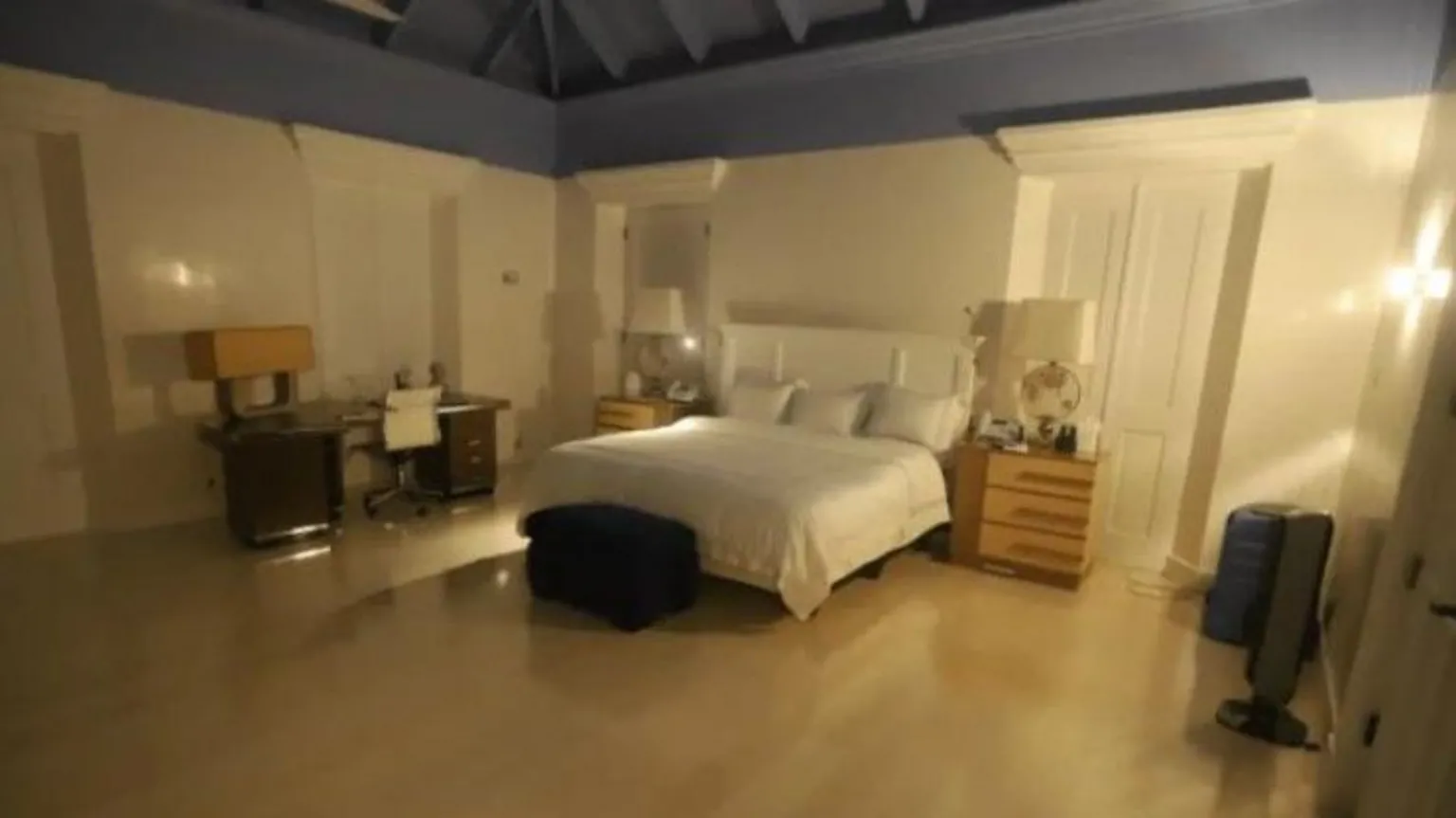
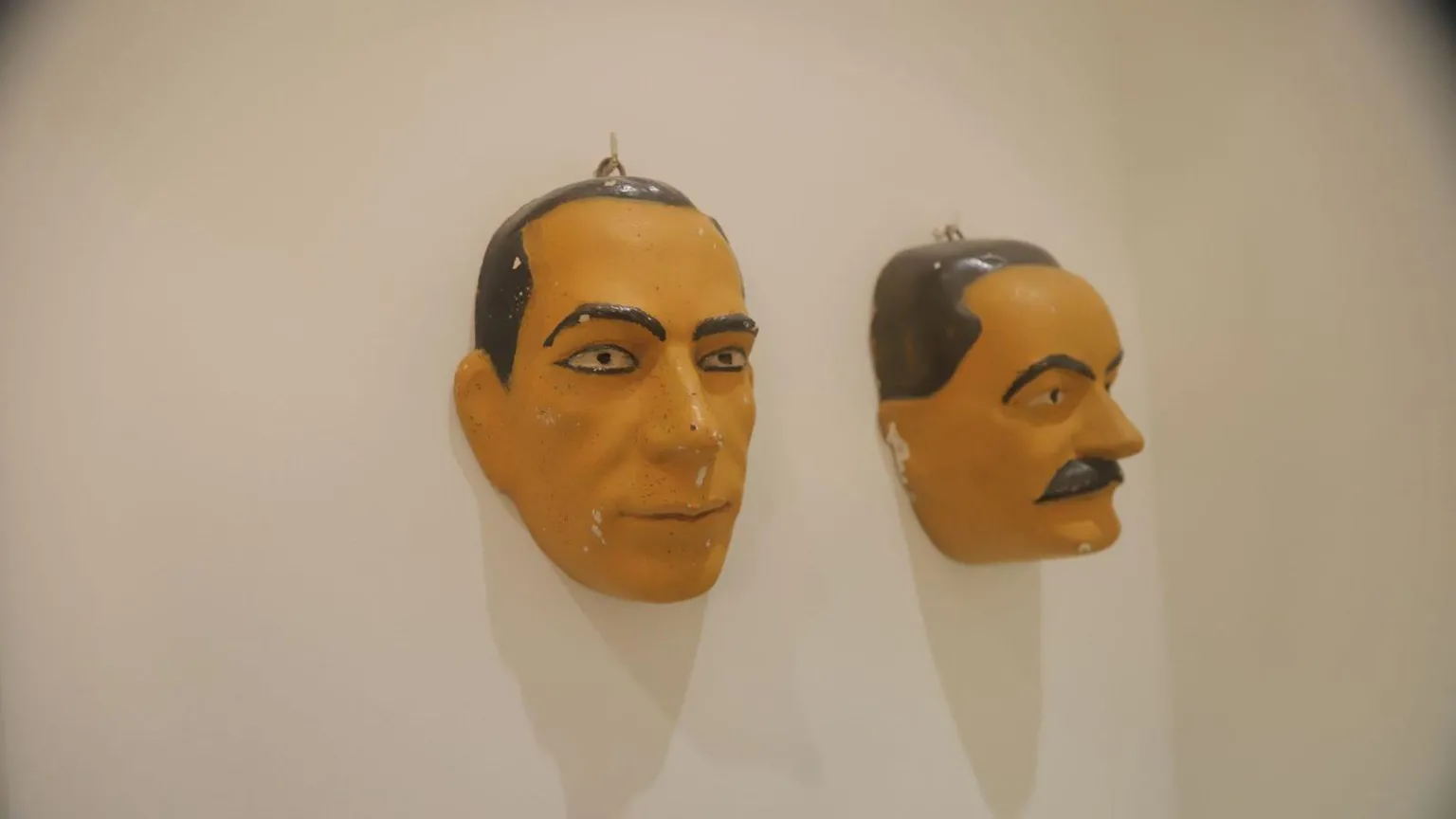
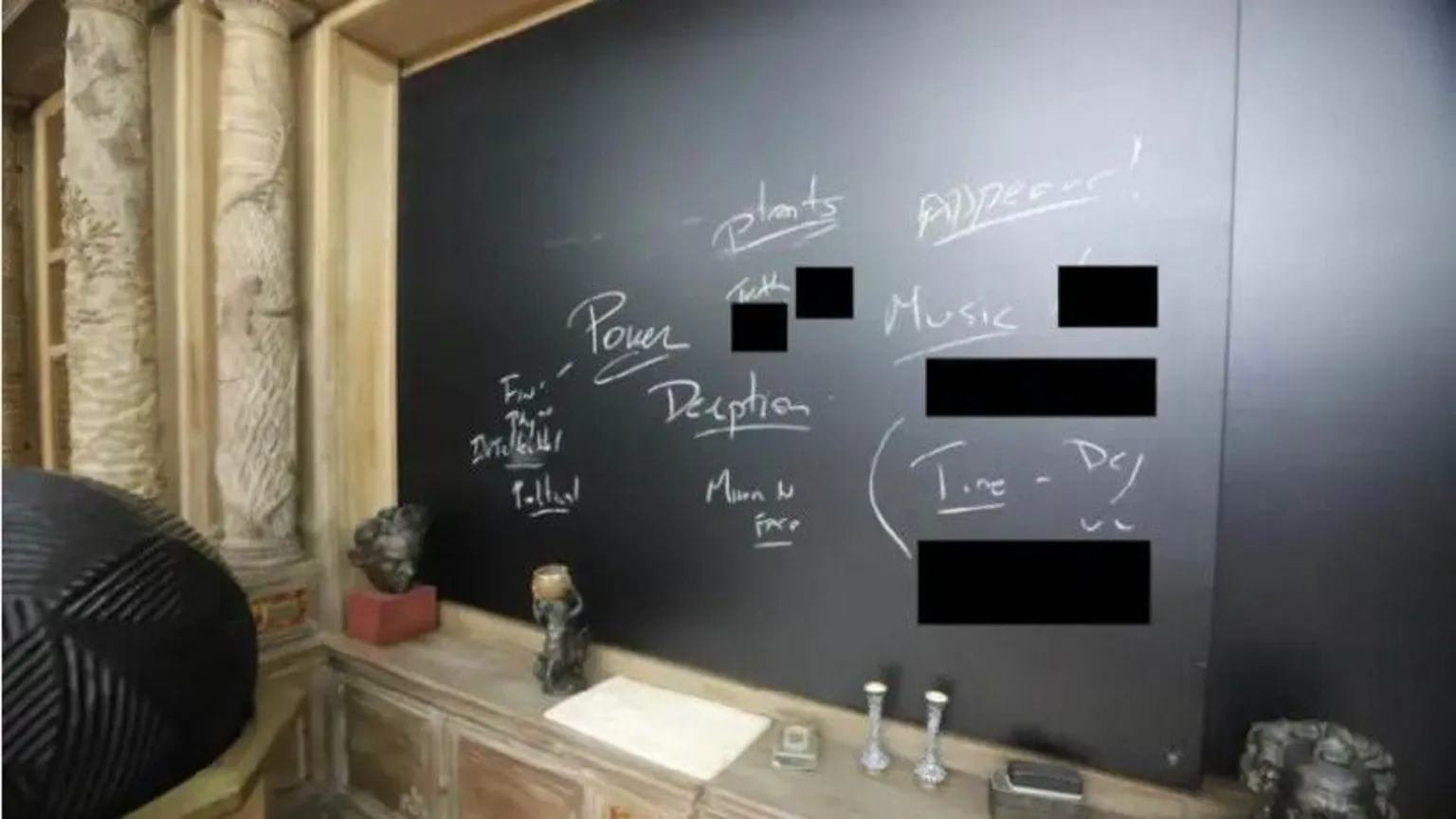
The revealed images show details of the interior of the residence in Little St. James acquired by Epstein in 1998 and reported by multiple survivors as a scene of abuse and sex trafficking. Among the footage released are several rooms, a room decorated with masks, a telephone with names written on the speed-dial buttons and what appears to be a dental chair, elements that fuel public interest in the case.
The release comes at a key moment: on Nov. 19, President Donald Trump signed a law ordering the release of all government records related to Epstein, a turning point after months of dispute over documentation accumulated in previous criminal investigations.
Images and their provenance in the midst of institutional pressure
The Oversight Committee indicated that the photographs and videos stem from a November 18 request to the Virgin Islands Attorney General’s Office for additional information on investigations linked to both Epstein and his imprisoned associate, Ghislaine Maxwell.
Garcia stated that “these new images are a haunting look into the world of Jeffrey Epstein and his island,” adding that they are being released “to help piece together the full picture of Epstein’s heinous crimes” and that the intention is to not cease inquiries “until the full picture of Epstein’s horrific crimes is provided.”

The congressmen mentioned that documents have also been received from JP Morgan and Deutsche Bank, financial entities involved in the tycoon’s economic network, and that these will be made public “in the next few days”.
The pressure is not only directed at local authorities in the Virgin Islands. Five members of Congress, belonging to both the Republican and Democratic parties, requested an immediate update from Attorney General Pam Bondi, urging awareness of any procedural obstacles to meeting the deadline for releasing the full set of files.
Scenarios of abuse and an affluent lifestyle
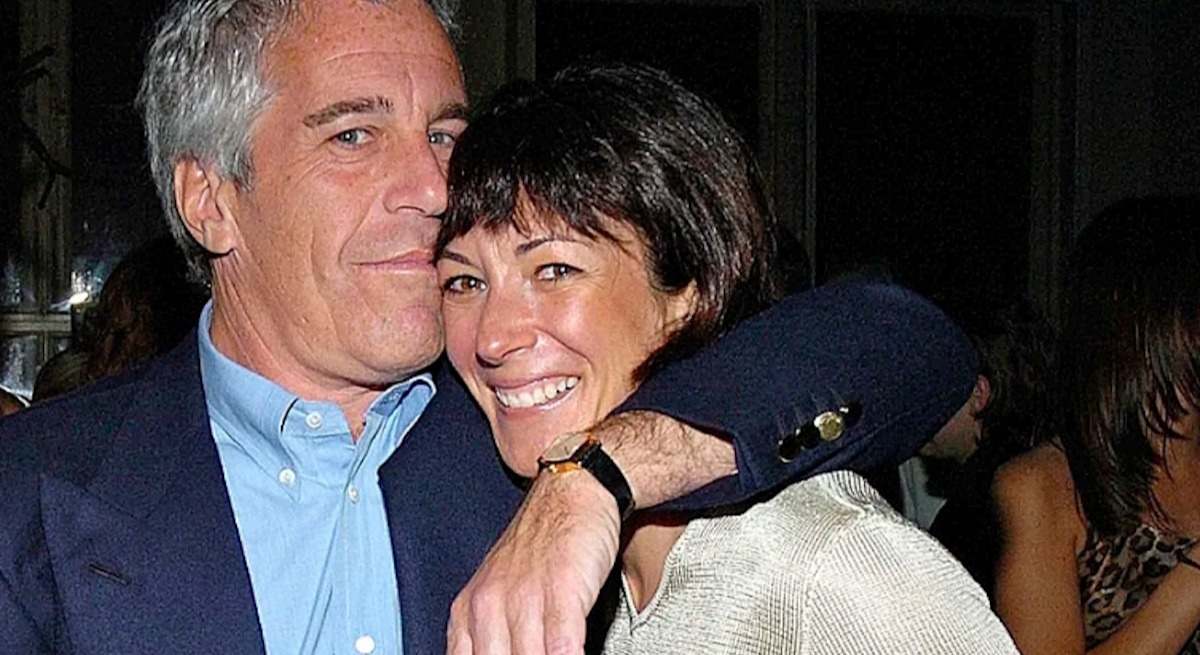
The images, taken in 2020 according to the metadata, show a partially dismantled property after Epstein’s death in 2019. They do, however, reveal elements of the financier’s daily life: shelves of bath products, artwork, statues and paintings, as well as a private escape to the pool flanked by palm trees and a sculpture of an archer. Also featured is a photograph of Epstein and Maxwell meeting with John Paul II.
According to the territorial prosecutor’s office, a settlement of more than $105 million was reached with local authorities in 2022 following allegations that “dozens of women and children” were trafficked, raped and assaulted on the two islands owned by Epstein. The newly released images do not add substantial details to the investigation, but they do provide a new visual window into the locations where numerous abuses allegedly took place.
The road to full publication of the archives
The law signed by Trump establishes a 30-day deadline (until December 19) for the Justice Department to release the documents in a “searchable and downloadable” format . However, the regulations allow the Department to withhold those records that may compromise active federal investigations or ongoing prosecutions, provided that such withholding is temporary and justified.
The text also authorizes Bondi to “withhold or redact” any information including victim names, medical records or other personal data whose publication would constitute “a clearly unwarranted invasion of personal privacy.” These clauses could delay full disclosure of the material.
The lawmakers who requested the update from Bondi have insisted they need to understand the “procedural hurdles that could interfere” with compliance with the law. The request directly alludes to the Trump-ordered investigation into possible ties between Epstein and Democratic Party figures, a move the letter said would warrant receiving detailed information in a classified or public session.

One of the signatories, Democratic Senator Jeff Merkley, summed up the group’s position by stating on the social networking site X: “We are keeping up the pressure to make sure the Justice Department follows the law and PUBLISHES THE FILES.”
A publication that reopens the debate on the Epstein Network
The release of these images does not provide decisive data on the criminal circumstances or the identity of others involved, but it increases the pressure on the administration to hand over the full set of documents. In a web that combines allegations of sex trafficking, economic power, political ties and an extensive list of personalities linked to Epstein, the demand for transparency continues to grow.
The island of Little St. James remains one of the most controversial scenarios in recent U.S. history. The images, although known in part through judicial investigations, now take on a new character as they are made public in a context of political and social exigency. The figure of Jeffrey Epstein, more than four years after his death, continues to cast a shadow that forces us to review every document, every testimony and every piece of evidence in order to shed light on a criminal network that marked an unprecedented case.