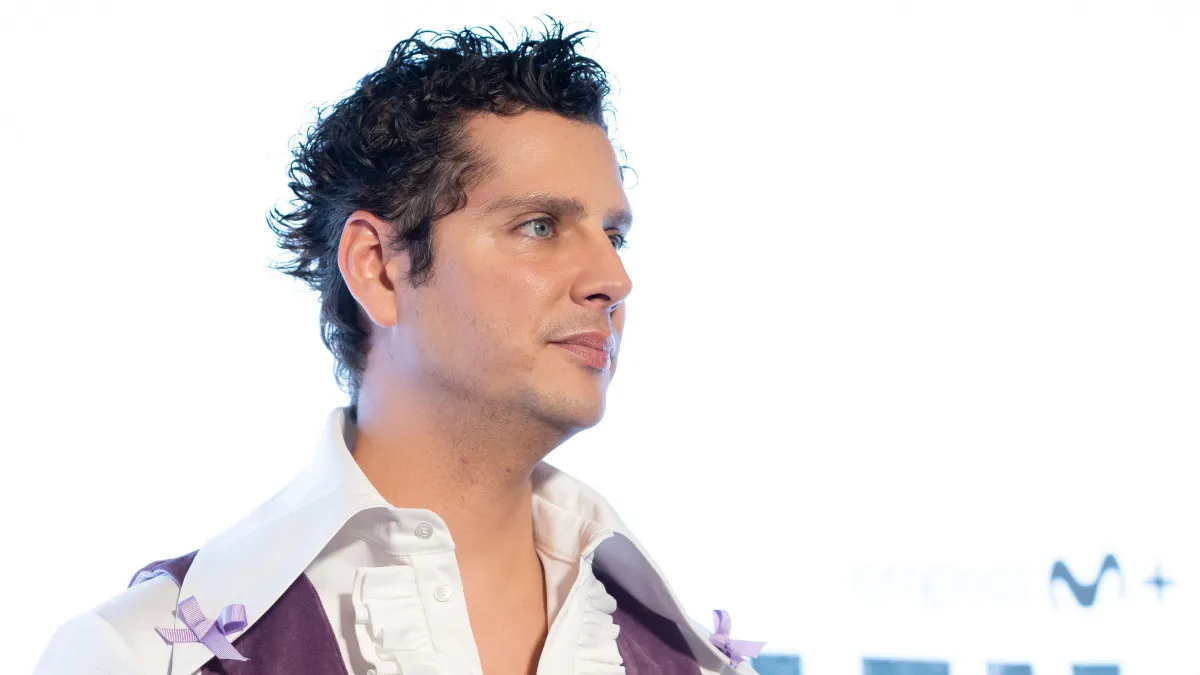
Eduardo Casanova has decided to speak out. The actor and director has publicly announced that he has
“I have HIV. Today I am breaking this unpleasant and painful silence after so many years. A silence that so many people with HIV keep and suffer. I do it when I want to. When I can. I do it for me, but I wish this could help more people”. With these words, Eduardo Casanova explained why he has decided to take this step now and to do it from a space of personal control.
The actor has also announced that he is preparing a documentary with the aim of helping to end the stigma that continues to surround HIV, a stigma that, as specialists point out, is one of the major obstacles to early diagnosis and early access to treatment.
Eduardo Casanova and HIV visibility
Eduardo Casanova’s decision to make his diagnosis public is not only an intimate act, but also a political and social gesture. HIV continues to be an infection surrounded by prejudice, silence and fear, despite the fact that medicine has completely transformed its prognosis in countries with access to treatment.
There are approximately 150,000 people living with HIV in Spain and around 3,000 new cases are registered each year. Most of the people diagnosed today can have a good prognosis, provided they have adequate medical follow-up and maintain continuous antiretroviral treatment. However, fear of social rejection continues to delay diagnosis.
Casanova’s announcement thus joins other public voices that have contributed to normalizing a reality that affects thousands of people and that, with information and health care, does not prevent them from leading a full life.
What is HIV and how does it act in the body?
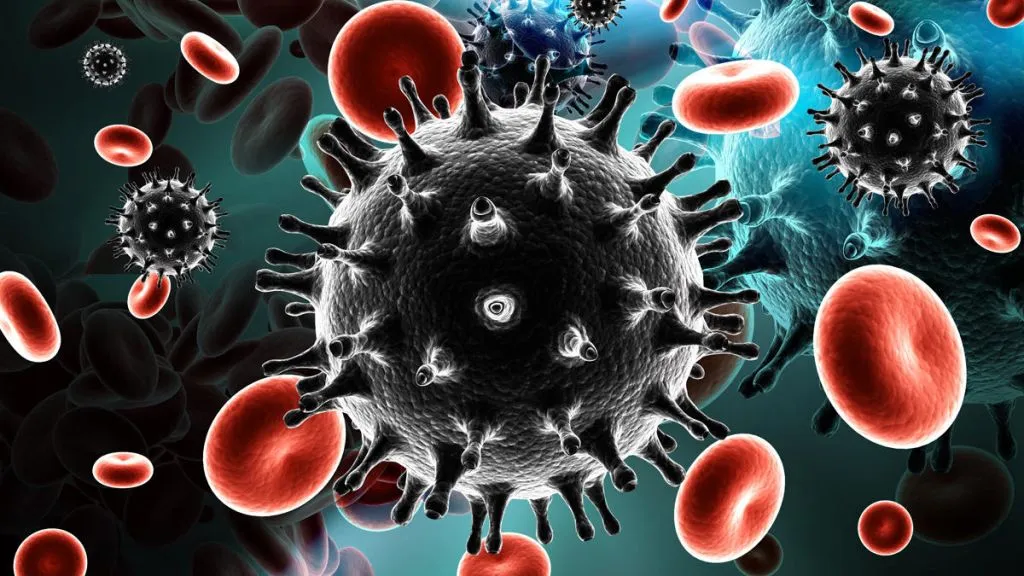
HIV, the human immunodeficiency virus, attacks the immune system and progressively destroys the body’s defenses. In particular, it affects CD4 T-lymphocytes, key cells that protect us against infection and disease.
After infection, a prolonged period of time may pass without the appearance of obvious symptoms. During this period, the virus continues to act and weaken the immune system. This is why specialists insist on the importance of early diagnosis: the earlier HIV is detected, the better the long-term prospects.
In countries where access to antiretroviral drugs is limited or non-existent, the situation is still very serious. However, in contexts such as Spain, the picture has changed radically.
Living with HIV without treatment: the risks
When HIV is left untreated, the infection progresses and eventually leads to AIDS, the acquired immunodeficiency syndrome. At this stage, the body is severely weakened and serious complications can occur.
These include extreme thinning, certain types of cancer such as Kaposi’s sarcoma or some lymphomas, and so-called opportunistic infections. These infections are so named because they do not usually affect people with a healthy immune system, but take advantage of the lowered defenses caused by HIV.
According to PortalClínic experts, “currently, the frequency of occurrence of these opportunistic infections has decreased dramatically and they are seen almost exclusively in patients who have not been previously diagnosed with HIV and had not received antiretroviral treatment”. These infections include esophageal candidiasis, disseminated fungal infections such as coccidioides, histoplasma or cryptococcus, cryptosporidium or isospora diarrhea, cytomegalovirus retinitis, long-standing herpes simplex, generalized herpes zoster, pulmonary or disseminated tuberculosis, nontuberculous mycobacterial infections, Pneumocystis pneumonia and cerebral toxoplasmosis, among others.
In the absence of treatment, life expectancy is drastically reduced, as it was in the first years after the discovery of the virus.
Living with HIV today: treatment and prognosis
Three decades ago, HIV was considered a fatal disease. Today, thanks to medical advances, it has become a chronic disease. People diagnosed early and with good control of the infection have a life expectancy close to that of the general population.
Current data place this life expectancy at around 73 years in men and 72.3 in women when the diagnosis is early and treatment is properly maintained. The key is adherence: taking medication throughout life and attending regular medical check-ups.
Antiretroviral treatment reduces the viral load – the amount of HIV present in the blood and other tissues – to undetectable levels. This allows the immune system to recover and return to normal functioning.
Undetectable is untransmissible
One of the most important advances of recent decades is the scientific evidence that a person with HIV on treatment, with an undetectable viral load, does not transmit the virus. This principle, summarized in the slogan “undetectable is untransmissible”, has brought about a profound change both in prevention and in the personal experience of the diagnosis.
This has a direct impact not only on the health of those living with HIV, but also on their sexual and affective relationships, dispelling one of the great historical fears associated with the virus.
Breaking the stigma, Eduardo Casanova’s objective
Eduardo Casanova’s announcement and his intention to make a documentary aim precisely at that goal: to break the silence and combat the prejudices that still surround HIV. Stigma not only affects the emotional and social level, but also has health consequences, as it delays diagnosis and the start of treatment.
By making his situation visible, Casanova contributes to normalizing a reality that, with information and medical care, does not prevent the development of vital and professional projects. Her message joins that of experts and groups who insist that HIV does not define a person today, nor does it determine his or her future.
In a context where science has advanced decisively, information and visibility remain essential tools for fear to give way to understanding.