

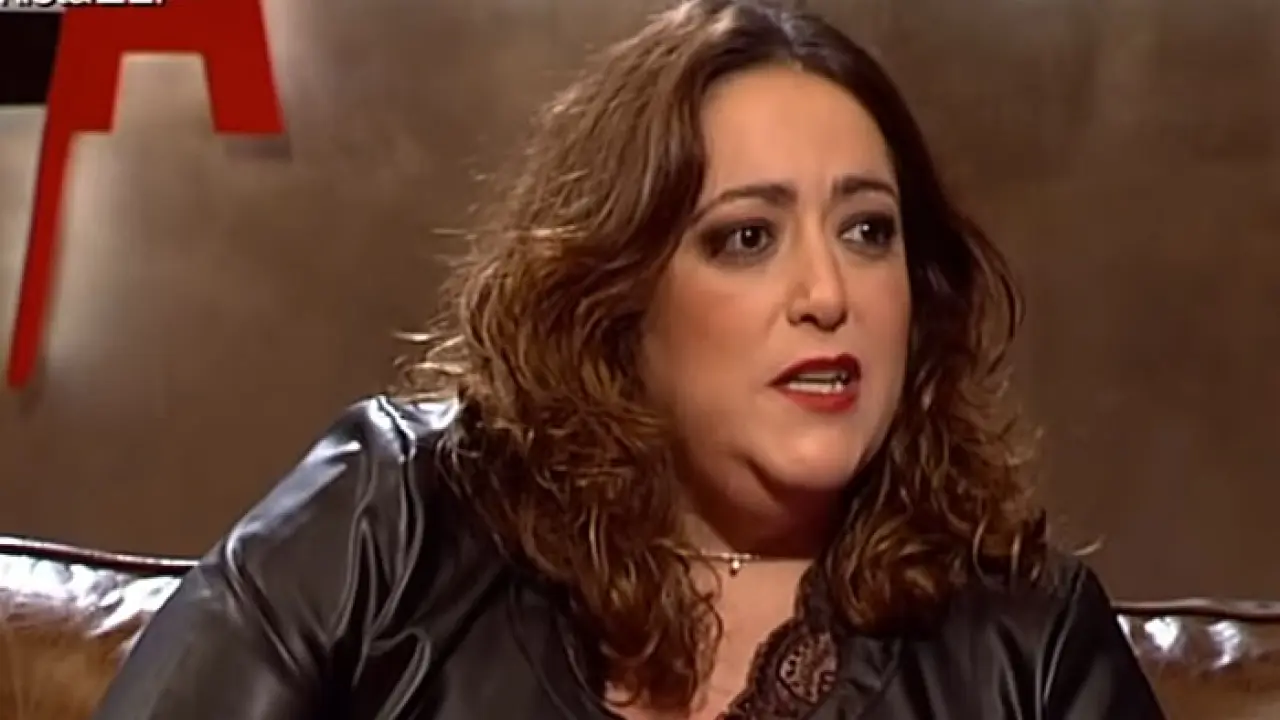
The death of Patricia López Lucio has shocked the world of communication. The investigative journalist, known for her collaboration in television programs such as Al rojo vivo and Todo es mentira, died this Sunday at the age of 48, leaving behind a career marked by the denunciation of corruption plots and a public farewell that has resonated among her followers and colleagues.
A trajectory forged in research
Since her beginnings, Patricia López stood out for a journalistic career that spanned more than three decades. Her career began at Tiempo magazine and led her to collaborate with multiple publications such as Mujerdehoy, Interviú or Crónica Libre. However, it was her work at Público between 2014 and 2022 that consolidated her reputation as one of the most incisive voices of investigative journalism in Spain.
For years, López focused on uncovering plots that many tried to keep in the shadows. Among his most outstanding works are information on the Villarejo case, the former Interior Minister Jorge Fernández Díaz and, especially, the investigation of the so-called case of Little Nicolás, which earned him recognition and even television exclusives. It was precisely in Al rojo vivo where he offered exclusive information about this plot, becoming a regular reference for those who followed the case.
Over time, López broke with Ferreras’ team and laSexta and expanded his presence in other programs such as Te vas a enterar and, more recently, Todo es mentira, where he was a regular on the current affairs table alongside Risto Mejide, providing critical analysis and investigative data.
Journalism without concessions or fear of power
Beyond television, Patricia López built a solid trajectory in the written media. Her work in Público allowed her to develop journalistic chronicles that delved into power structures and corruption in Spain. Her name was associated with the idea of a combative journalism, willing to point out those in power and to dismantle official discourses when necessary.
In her last days, Lopez signed her texts in Diario Red, a medium led by Pablo Iglesias, who paid tribute to the journalist recalling her fundamental role in investigative journalism: «Patricia Lopez is the history of investigative journalism in Spain. In a profession that rewards connivance with power as few others do, Patricia dared to point out the mafia bosses», wrote Iglesias, highlighting Lopez’s courage to face complex and controversial issues.
The journalist also stood out for her facet as a writer. She was the author of the books Crímenes sin resolver and El rastro del asesino: el perfil psicológico de los criminales en la investigación policial, the latter written together with Vicente Garrido, in which she delved into the psychological and technical processes that allow the police to arrest complex criminals.
A public fight against the disease and a surprising denouncement of it
In her last months, López also shared aspects of her more personal life that resonated with her audience. Through social networks, she warned that she was ill, and linked her situation with a professional vindication against television production figures. In her last publication in X, on November 27, López charged against producers Óscar Cornejo and Adrián Madrid, denouncing a decision that, according to her, was marked by her health situation: «These gentlemen fired me without prior notice when I told them that I had to undergo tests for the cancer that is killing me today. But they did it without warning and without giving me time to take it». These words, published shortly before his death, show a critical voice until his last days, defending his dignity in the face of situations he considered unfair.
The impact of his death on journalism and beyond
The news of Patricia López’s death has generated a wave of reactions among colleagues, political and media figures, as well as among followers who valued her work. Names such as Pablo Iglesias or Juan Carlos Monedero have posted messages on social networks acknowledging her legacy and lamenting the loss of a professional who, with her work, influenced the way in which numerous cases of public interest were known and analyzed.

His presence in television programs such as Todo es mentira not only provided data, but also a critical style that combined investigation with denunciation, contributing to his voice being heard both on screen and in written columns and interviews.
In addition to his journalistic work, López also received recognition during his lifetime for his professional commitment. One example was the 2017 Dignity Award, an award that values integrity and commitment to justice and the common good within journalistic and civic practice.