Spain has one of the highest numbers of centenarians in the world, a figure that confirms the global trend that women live longer than men. According to data from the Ministry of Health, the life expectancy of women in Spain in 2020 was 85 years, compared to 79.5 years for men. This level of longevity is especially reflected in the statistics of the National Statistics Institute (INE), which indicate that around 13,919 women have surpassed 100 years of age.
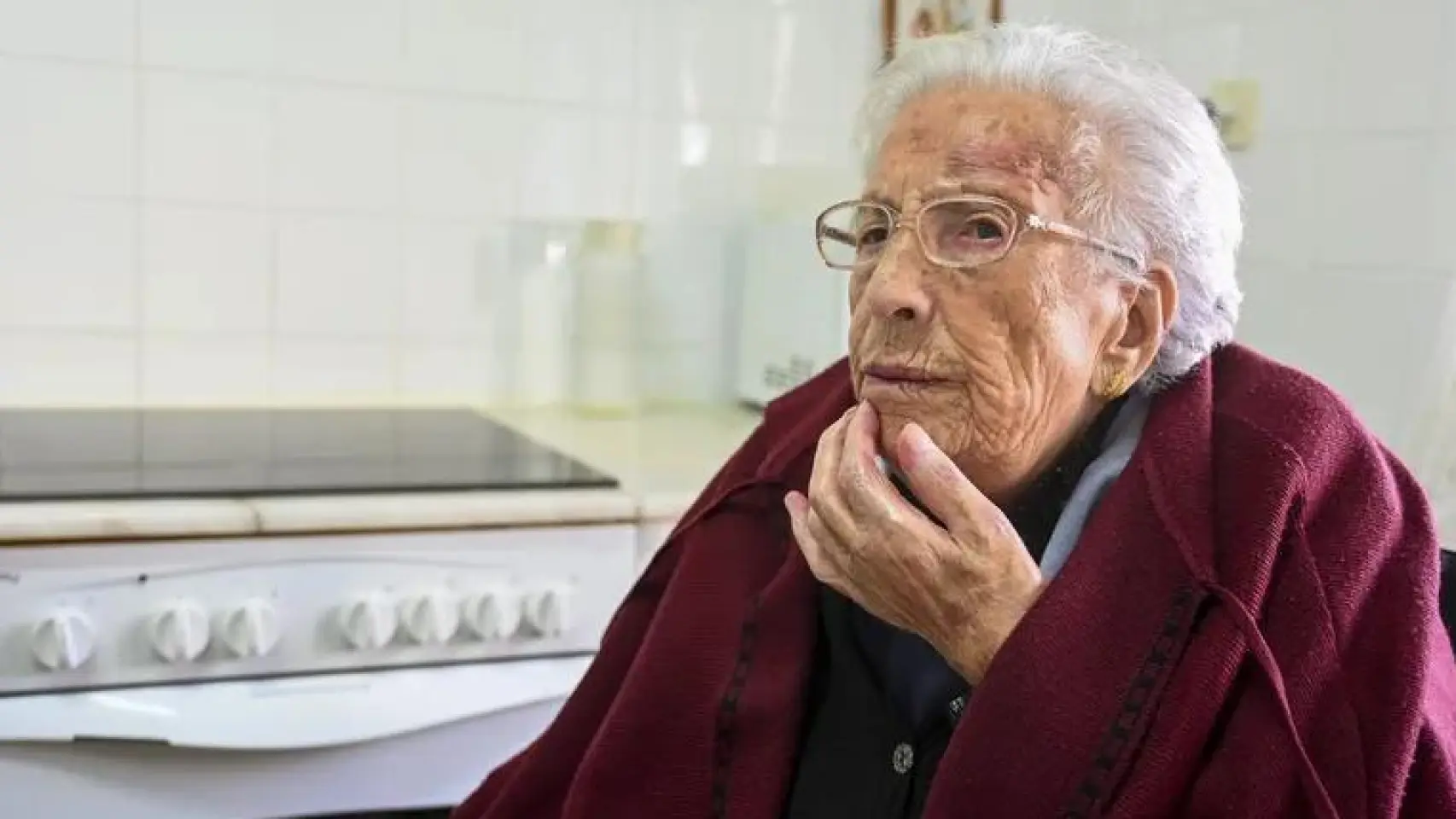
In this context, the story of Teresa Fernández Casado has emerged, a woman from León who has recently been recognized as the longest living person in Spain after verification of her age by LongeviQuest, an international organization specialized in the study of human longevity. With 112 years and 117 days, as stated in her national identity card, Teresa has officially surpassed Angelina Torres Vallbona, the previous longest-lived person in the country.
The validation came to the family in the form of a letter addressed to her children and confirmed retroactively that Teresa has held this title since November 11, the date of Torres Vallbona’s death.
Deep roots in his homeland
Teresa lives in Zambroncinos del Páramo, a small town in the municipality of Zotes del Páramo, in the province of León, and still resides in the same house where she was born on July 29, 1913. His longevity has witnessed historical transformations: wars, social changes, emigrations, technological advances and entire generations of his own family.
The woman had seven children, six of whom are still alive. Among them is her 93-year-old son Angel, who has become an exceptional case: he is one of the few children of a centenarian who also surpasses the ninth decade of life. Teresa is also the grandmother of eleven grandchildren, great-grandmother of nine great-grandchildren and great-great-grandmother of two great-great-grandchildren, generating an extensive family network that celebrates her day by day.
A beloved figure and living reminder
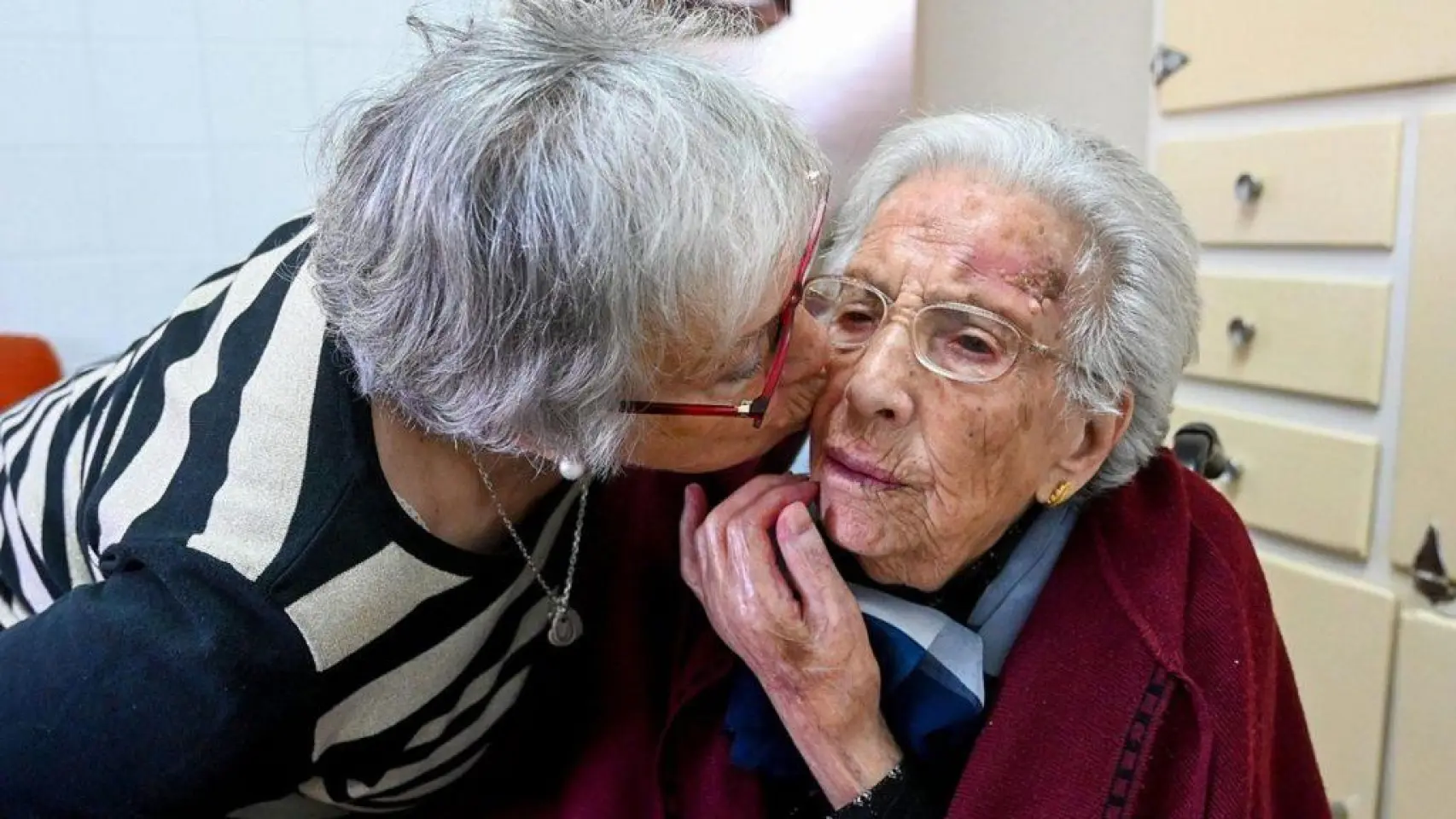
Family and neighbors describe Teresa as a “woman of the people, very dear to everyone”. Her daughter Manuela remembers her as a kind of living archive of the village, “the person everyone went to when they needed to confirm a date or some detail lost in the collective memory”, a social role she has played naturally for decades.
Despite her advanced age, Teresa retains habits that are surprising both for their validity and their simplicity. Her children assure that she is well, that she eats with appetite and sleeps “great”, and maintains a routine that includes daily rituals that are part of her daily life.
The rite of a glass of wine at every meal
Among the habits that have attracted the attention of relatives, neighbors and experts is her relationship with wine. Teresa maintains a habit that she has not wanted to give up: “At every meal she has a glass of wine”, and on special days she even accompanies family moments with “a toast with a shot of herbs”.
Although it is not a miraculous recipe, this detail is part of his story and fits with other longevity observations that have been made around the world, where moderate and ritualized wine consumption is associated with healthy lifestyles. Her case has been reminiscent of well-known studies on the so-called “blue zones” (regions with a high concentration of centenarians) where wine in moderation is part of everyday life.
What is remarkable about Teresa is that she hardly takes any medication, and when she was admitted to the hospital two years ago, the professionals “could not locate a medical record because they could not find one”. This almost total absence of recorded medical history gives even more relevance to her natural longevity.
A figure among the longest-lived in the world
Thanks to LongeviQuest certification, Teresa not only leads the longevity ranking in Spain, but also ranks among the top ten longest-living people in Europe and fiftieth in the world, according to international records. This recognition highlights not only her extraordinary age, but also the global interest in human longevity stories.
Scientific reflections and lifestyle habits
His case adds to the observations of researchers studying the relationship between lifestyles, genetics and longevity. Although there is no single formula that guarantees living longer, certain factors have been documented that can influence long-term health, such as a balanced diet, constant social activity, strong family networks and, in some cases, moderate wine consumption.
Researchers such as Dan Buettner, who has analyzed the world’s blue zones, have suggested that moderate consumption of red wine, rich in antioxidant compounds such as resveratrol, could have beneficial effects on cardiovascular health and other body systems. However, the experts also stress that “this does not mean that drinking a glass of wine, much less in excess, will help you live longer” and that consumption should be moderate and adapted to each individual health context.