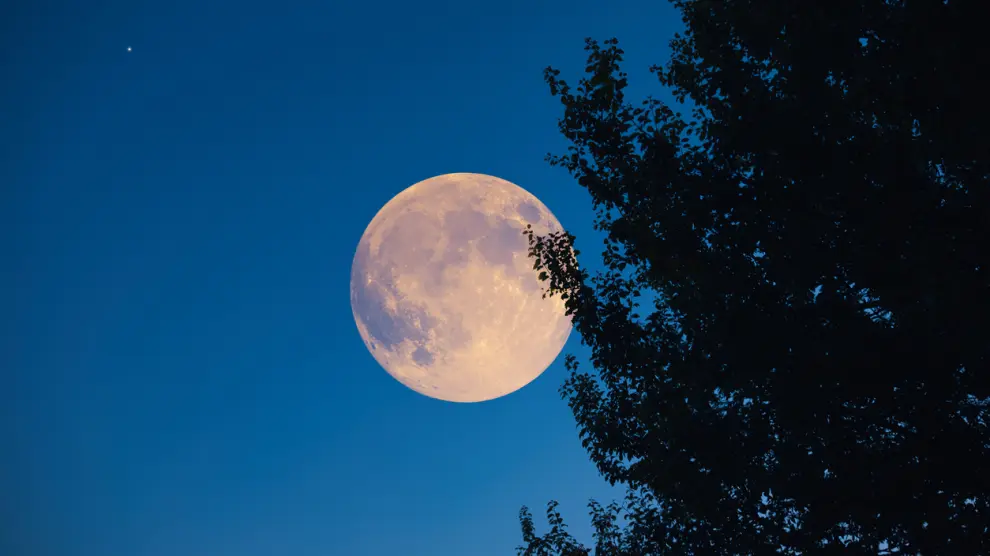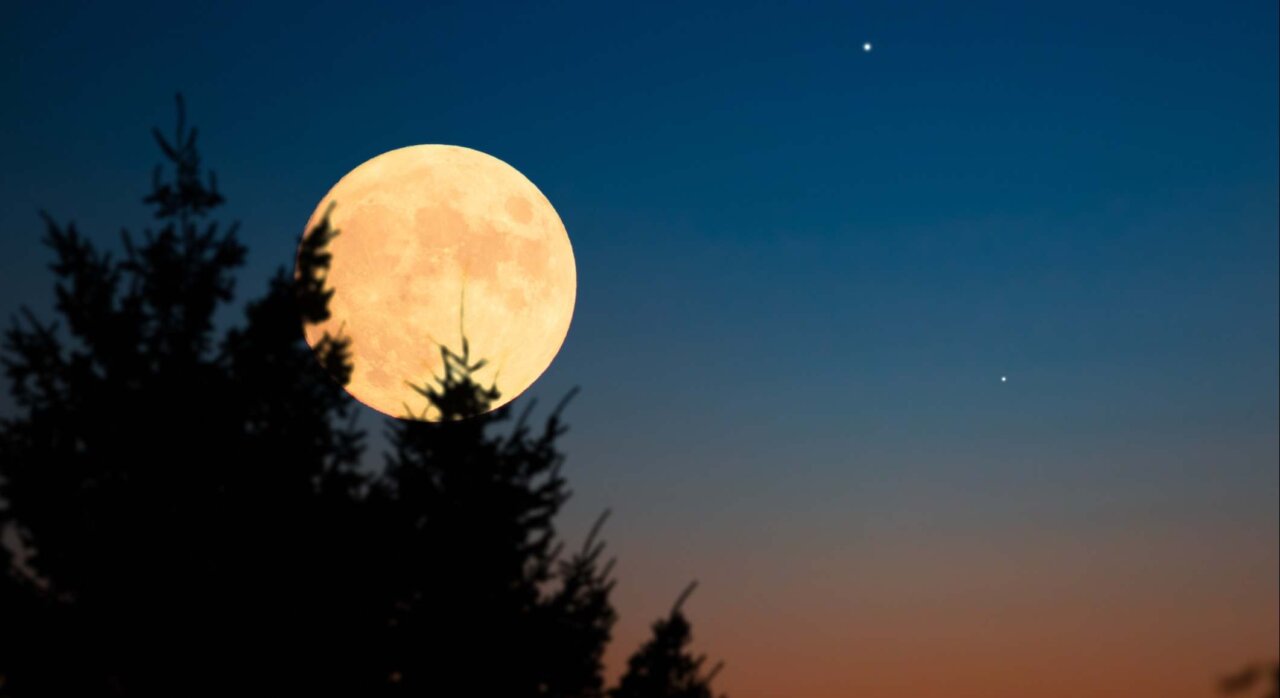
The night of December 4-5, 2025 will be one of the major astronomical events of the year. It will not only be the last full moon of 2025: it will be a particularly striking
The December supermoon, also known as the Cold or Long Nights Moon, will be larger and brighter than a usual full moon, as the satellite will be at a point especially close to the Earth. In fact, it will be
Although it will be visible to the naked eye, astronomers recommend staying away from areas with light pollution and look to the west at sunrise or sunset, when it will be at its brightest. The Moon will also be seen especially high on the horizon, an unusual detail in this type of phenomena.
A supermoon bidding farewell to the year under the constellation of Gemini
The full moon will arrive under the constellation Gemini, marking the beginning of an astronomically charged December. The lunar calendar for the last month of the year continues its cycle with the waning quarter on December 11 (21:51 hours), the new moon on December 20 (2:43 hours) and the waxing quarter on the 27th (20:10 hours).
The lunar calendar, used for more than 5,000 years since ancient Mesopotamia, continues to be a reference not only for astronomy, but also for those who follow the natural rhythms associated with the satellite, from tides to crops.
December arrives full of events: star shower and winter solstice
The month opens with this supermoon, but it will not be the only remarkable phenomenon. December brings two meteor showers especially awaited by amateurs and experts.
The Geminids, active between December 4 and 17, will reach their maximum activity on the 14th and can offer up to 150 fireballs per hour, with bright, slow and intensely colored meteors. The Ursids, visible between December 17 and 26, will peak on the 22nd. They are a minor shower, but with flashes from the wake of comet 8P/Tuttle.
In addition to these events, the winter solstice will arrive on Sunday, December 21, 2025 at 16:03 hours, starting the shortest season of the year: 88 days and 23 hours. The explanation lies in the elliptical orbit of the Earth, which accelerates its motion when it is closer to the Sun, according to Kepler’s second law.
The solstice marks the day with the least sunlight of the year, with up to six hours less than the summer solstice. Even so, it will not be the day with the latest sunrise or the day with the earliest sunset: that occurs, respectively, at the beginning of January and on December 10. During December, in practically all of Spain (except the Canary Islands), it gets dark before six o’clock in the evening.
December planets: Jupiter and Saturn rule the night
The month also offers a good planetary showcase. Mercury will be difficult to observe: it lasts less than an hour after sunset and loses brightness. Venus bids farewell until February; it is still the dawn star, but its rising almost coincides with the sunrise. Mars will be invisible: its sunset will be barely half an hour after sunset.
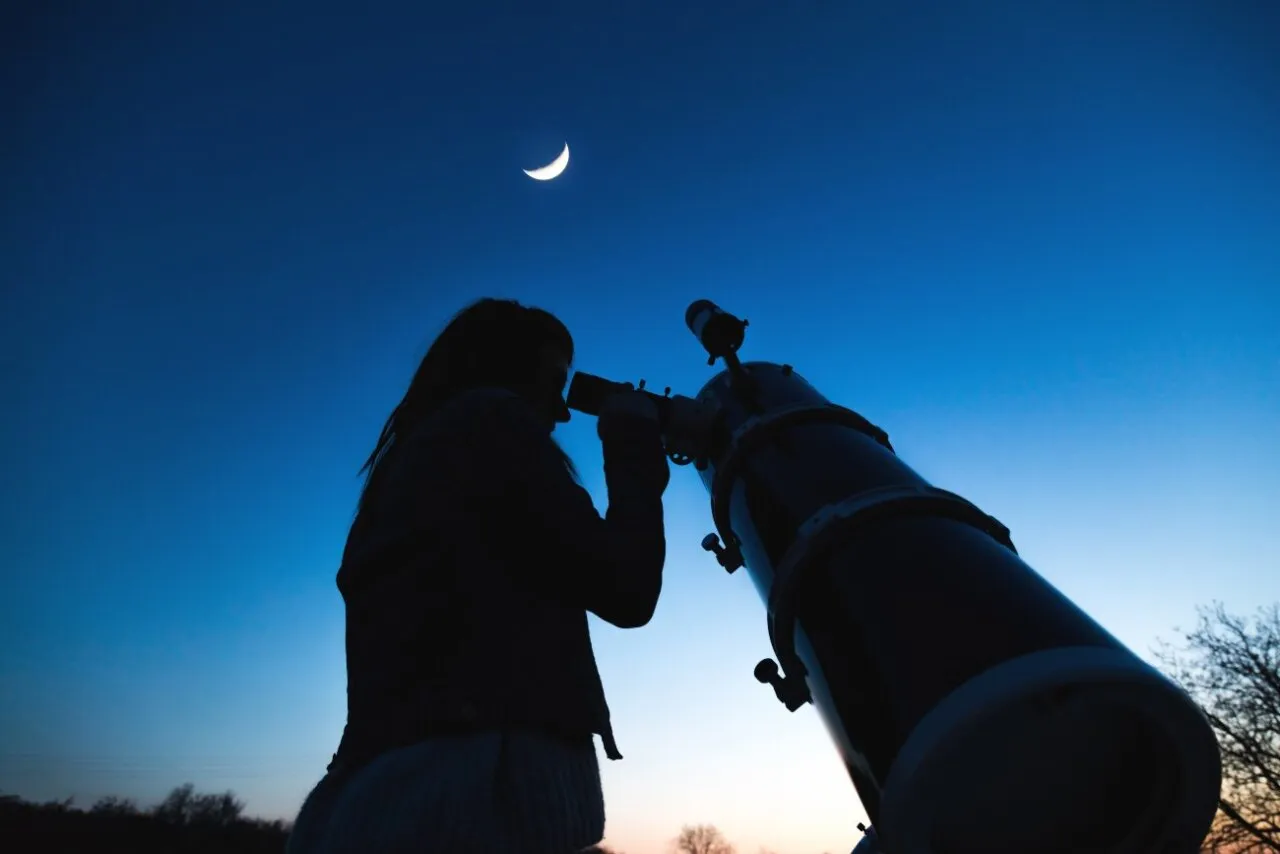
Jupiter will be the main protagonist, visible more than half of the night in Gemini and increasing its brightness to magnitude -2.5. With a telescope, its clouds, the Great Red Spot and the movement of Io, Europa, Ganymede and Callisto can be seen. Saturn, located in Aquarius, will still be easily seen even though its rings are less than one degree of inclination.