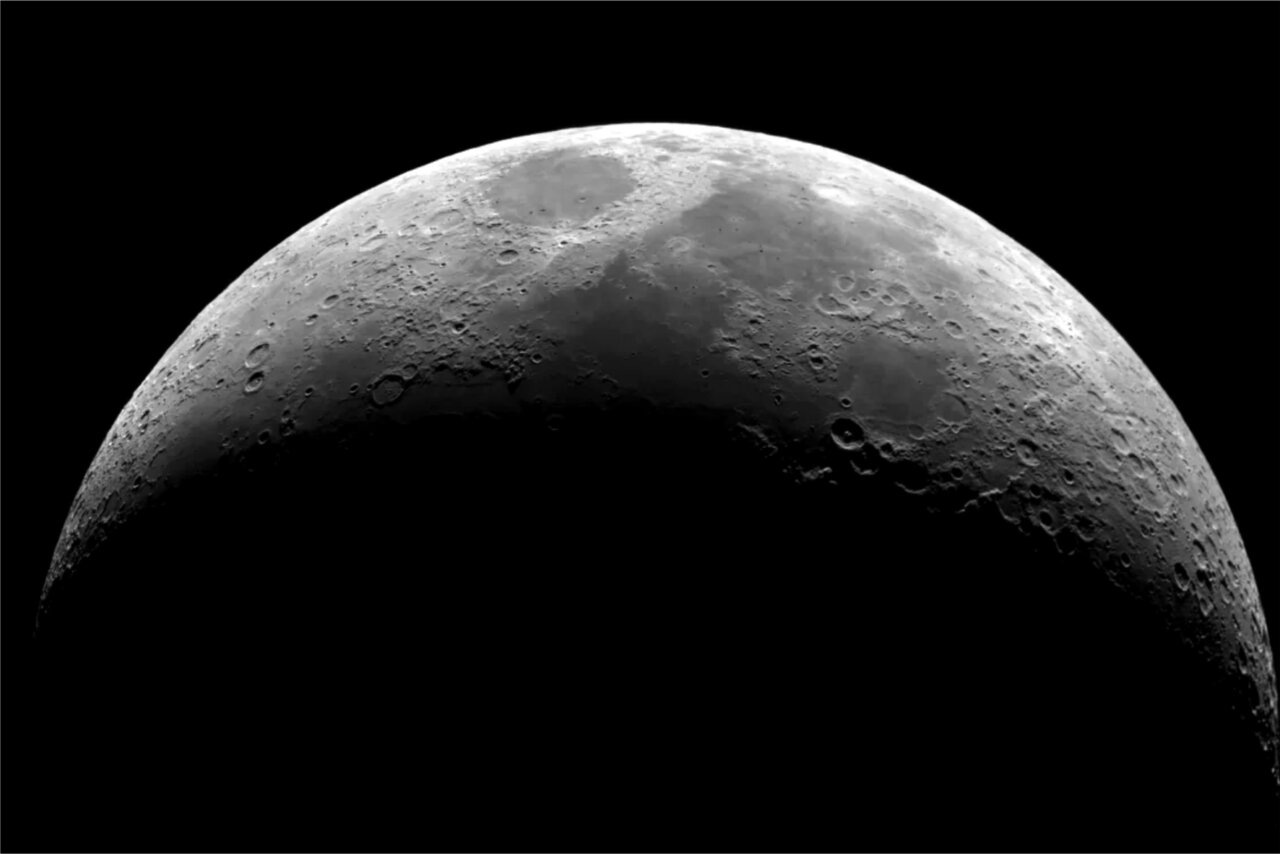
The Agrupació Astronòmica d’Eivissa (AAE) will say goodbye to 2025 with an open day at the Puig des Molins Observatory, an event designed to bring astronomy to the public without prior registration. The activity will be held on Tuesday, December 30, from 20.00 hours, and will allow observing the Moon and the planets Saturn and Jupiter.
The initiative is open to anyone interested, both residents and visitors, and is part of the informative program that the entity has developed throughout the year.
Telescopes to explore the Moon and the giants of the Solar System
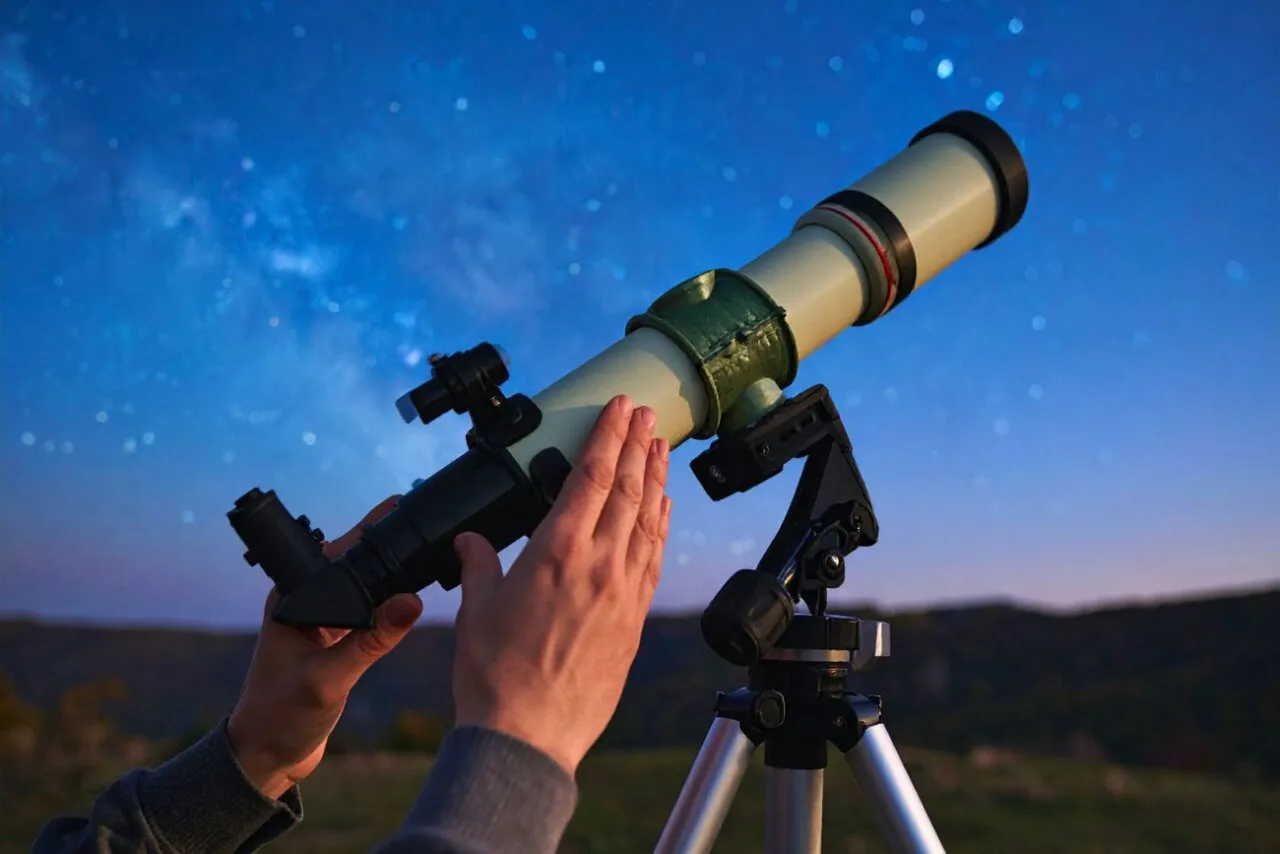
During the observation, the main telescope of the observatory will be used, which will be oriented to one of the two planets visible that night. In addition, other telescopes will be installed at the access to the site, aimed at observing the Moon, with special attention to the craters and reliefs that characterize the surface of our satellite.
It will be an opportunity to contemplate different celestial bodies in the same evening and learn about the work done by the AAE in the field of astronomical outreach.
What Saturn, Jupiter and the Moon will look like
From the astronomical point of view, the day coincides with a particularly interesting moment. Saturn, which is already moving away from Earth, will be visible to the west. Jupiter, on the other hand, continues to approach our planet and at 8:00 p.m. will begin to appear in the east.
The Moon, also located in the western quadrant, will be in the crescent phase, which means that approximately half of its surface will be illuminated, an ideal condition to appreciate its formations in detail.
The closing of an intense year of scientific dissemination
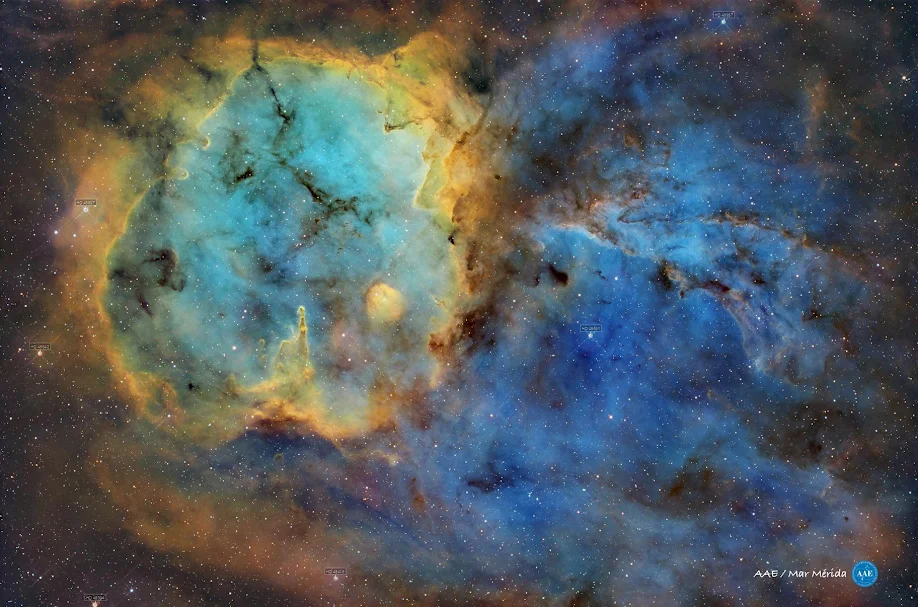
This observation will be the last public activity of the AAE in 2025, a year marked by a wide variety of outreach and scientific initiatives. These include observations for organized groups at the Puig des Molins Observatory, obtaining high-resolution astrophotographs with the Cala d’Hort Telescope, as well as educational activities, conferences and other projects to disseminate astronomical knowledge.
Towards the 70th anniversary and the solar eclipse of 2026
The AAE’s sights are already set on 2026, the year in which the organization will celebrate its 70th anniversary. To commemorate it, an ambitious agenda has been programmed that will include a photographic exhibition in Sa Nostra Sala, located in Aragón street in Eivissa, the publication of a commemorative book, conferences and new observation days.
Among the most important milestones is also the preparation of the solar eclipse scheduled for August 12, an astronomical event that promises to place Ibiza at the center of scientific and informative attention next year.