The government has taken an important step in its commitment to sustainable mobility. The Minister of Transport and Sustainable Mobility, Óscar Puente, has confirmed that the single transport pass announced by the President of the Government, Pedro Sánchez, will be available as of January 19, 2026. This ticket will allow users to travel throughout Spain (on commuter trains, medium distance trains and buses of the state network) with a single monthly pass, a measure that could bring relief to millions of people who use public transport on a daily basis.
A single subscription for the whole country
The new single season ticket aims to simplify the use of public transport in Spain. As explained by Puente in an interview in the program La hora de La 1 of RTVE, it is an additional product that will coexist with the transport tickets that already exist today, such as the Cercanías season ticket, and it is not intended to replace them. “It will not replace the existing ones, but it will be an additional product”, said the minister, stressing that this measure seeks to integrate the different urban and interurban passes into a single ticket valid throughout the territory.
The system will allow travel on all state public transport networks using a single ticket. The subscription will cost 60 euros per month for adults and 30 euros for young people under 26 years of age, as announced by Sánchez. This makes the single season ticket an attractive alternative for commuting for work, education or personal reasons without having to buy different tickets for each section or type of transport.
Current discounts will remain in effect
One of the most widespread doubts among users was whether the implementation of the single season ticket would affect current discounts on public transport. Puente has been categorical in denying that this new ticket will eliminate or replace the current discounts. In fact, he stressed that the single season ticket “will not affect the current discounts that are in force, such as the Cercanías season ticket”.
Currently, urban and interurban monthly passes and 10-trip vouchers have a 40% discount, 20% financed by the State and 20% by the communities or municipalities. In addition, there are wider discounts on some services such as medium distance trains or state buses, which in many cases reach 50% or even 70% for young people. All of these benefits will remain in effect in 2026 despite the introduction of the new subscription.
How will it work and who will be able to use it?
Although the single season ticket will come into force on January 19, 2026, it will initially only include transport services that fall under the jurisdiction of the State. This means that, for the time being, it will only cover:
-
Renfe trains other than high-speed trains (Cercanías and Media Distancia)
-
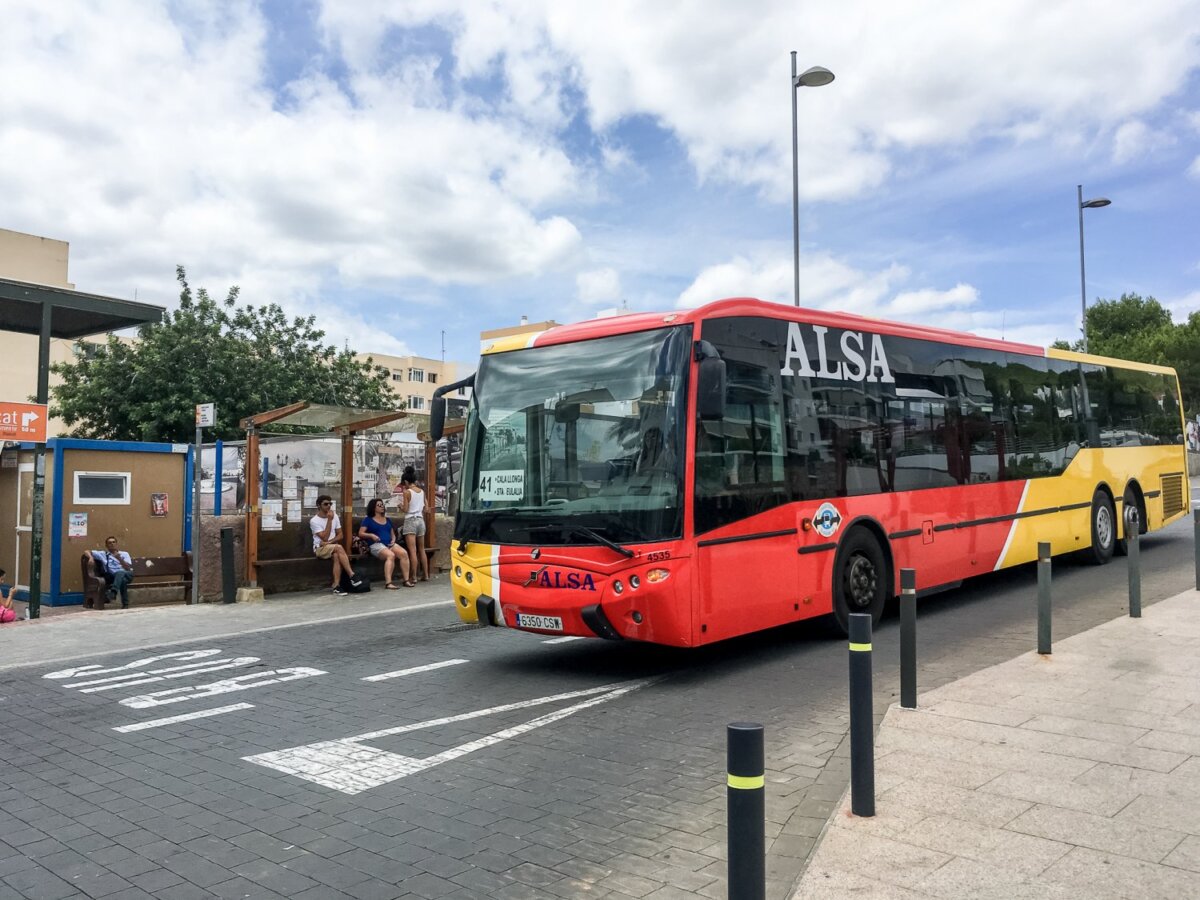
State buses
These modalities will represent the basis of the new subscription, which is expected to be expanded over time if other administrations join the project.
Regarding the future integration of urban and interurban season tickets of autonomous communities and city councils, Puente pointed out that agreements will be signed with the interested administrations so that they can join this single ticket. Although these have not adhered to the project from the beginning, and this is something he regretted, the minister expressed his conviction that “they will be integrated” progressively .
Inspiration from European models
The idea of the single season ticket is not born from scratch. Puente mentioned the example of the Deutschlandticket, a transport ticket introduced in Germany that allows the use of all public transport in all cities for a similar price (63 euros per month). Unlike the German model, the Spanish season ticket does not include high-speed services, but it does represent a step towards greater integration of public transport in the country.
This initiative is aligned with the government’s efforts to promote sustainable mobility and ease the economic burden of commuting, mainly for the middle and working class. Sánchez himself described the measure as “a very strong commitment to sustainable mobility and also to the middle and working class”.
Benefit for millions of people
The government estimates that the single season ticket will benefit two million people, especially those who make frequent trips between cities and nearby urban centers. For example, a worker who commutes daily between cities such as Vigo and Santiago or Jerez and Seville can see a significant reduction in his monthly transportation costs thanks to this ticket.
In addition, by offering a flat rate for a wide range of services, the single season ticket can make the use of public transport more attractive compared to private vehicles, which has positive implications for both household finances and the environment.
Why this measure now?
Although this subscription was announced at the beginning of the year to come into effect in 2026, its price and definitive launch date had yet to be determined. The confirmation during Pedro Sánchez’s appearance to present the political balance of the year has cleared up these doubts, establishing a clear timetable for its implementation and use by the public.
The measure comes after two years of work and preparation since the beginning of the legislature, although Puente was quick to deny that this announcement is being used “to divert the debate” from other current issues, emphasizing that it is not a propaganda strategy, but a public policy in development since some time ago.
Towards a more integrated system
The single transport pass represents an important step towards the unification of transport tickets in Spain, an objective that other European nations have successfully addressed. Although for now it only includes state services, its implementation opens the door to future integrations with local urban and interurban subscriptions, enhancing a more efficient and user-friendly network for citizens.
From January 19, 2026, those who rely on regular public transport will be able to see first-hand whether this new model facilitates their journeys, reduces costs and contributes to a more widespread use of collective mobility services. With this objective in mind, the single season ticket is one of the most relevant public transport measures in recent years.