The clashes between the Ministry of Health and several autonomous communities governed by the PP, together with strikes and protests by healthcare professionals, have defined a particularly turbulent year for healthcare policy in Spain, according to 2025’s balance sheet.
Since the beginning of the year, the discrepancies between the department headed by Mónica García and the regional governments of the PP have been recurrent, especially on issues such as cancer screening, the application of the abortion law and the reform of the Framework Statute for health personnel.
Friction in the Interterritorial Council
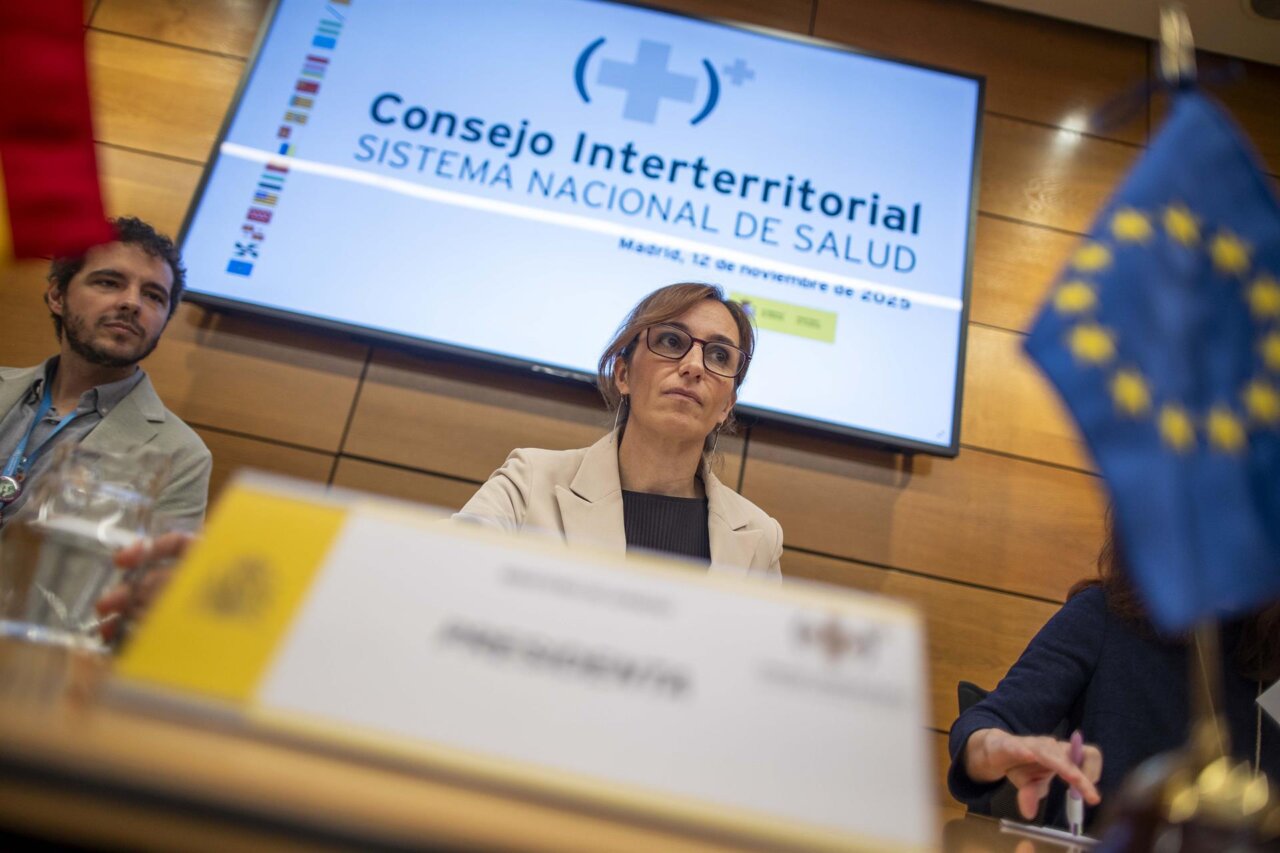
The tense institutional relationship has been evident in the meetings of the Interterritorial Council of the National Health System (CISNS), the scene of several political confrontations. The most critical point occurred at the end of October, when the PP regional councilors left the meeting held in Zaragoza, denouncing an alleged invasion of competencies.
The conflict intensified after the Ministry of Health’s request for data on breast, colorectal and cervical cancer screening programs, following delays detected in Andalusia. The PP communities accused the Ministry of using the CISNS for partisan purposes, while Health warned of possible legal action for lack of collaboration.
With the passing of the months, all the communities except Madrid have finally sent the required information, according to the Ministry itself. The Ministry of Health of Madrid has defended that the delivery is being made “in due time and form”.
Abortion and judicial warnings
Another focus of confrontation has been the refusal of the Community of Madrid to implement a registry of conscientious objectors to abortion, a measure included in the Sexual and Reproductive Health Law of 2023. The regional government argues that this registry violates the freedom of objection, while Health defends that it is an anonymous list to guarantee the provision of the service in the public health system.
In this context, the Ministry sent formal requirements to Madrid, Aragón and the Balearic Islands, warning of possible legal action for non-compliance with the law. The controversy was fueled by the Ministry’s statements about a “rebellion against the law”, an extreme that the Madrid Executive has rejected.
The case of Torrejón Hospital
At the end of the year, the healthcare debate widened with the case of the Torrejón Hospital, following the leak of audios attributed to the then director of Ribera Salud, Pablo Gallart. In them he alluded to rejecting patients or unprofitable practices in this privately managed and publicly owned center.
The company defended that the audios were decontextualized and denied irregularities in the care provided. From the Community of Madrid, the Regional Minister Fátima Matute assured that she had not received any notification of formal complaints or actions by the High Medical Inspection announced by the Health Ministry.
The Framework Statute and protests
The reform of the Framework Statute for healthcare personnel has been another of the main focuses of the year. The Ministry has been negotiating for months with the unions in the Negotiation Area, with whom it has reached a pre-agreement that includes the elimination of 24-hour shifts, a reduction in the working day to 35 hours a week and improvements in retirement and public employment.
However, the medical organizations CESM and SMA have rejected the text, calling for a specific statute for physicians. Health has opposed this possibility, considering that it would fragment the cohesion of the national health system, which has led to strikes and mobilizations differentiated from the rest of the unions.
Political clash and financing
The conflict has also reached Congress, where the PP registered a Proposición No de Ley to demand the withdrawal of the reform of the Framework Statute. The differences have extended to funding, following the Government’s approval of 172 million euros for Primary Care, 39 million for mental health and 18 million for suicide prevention.
The Popular Party described these figures as insufficient and accused the Ministry of failing to effectively address the lack of health professionals, especially family doctors.
Progress despite the conflict
Despite the climate of confrontation, Health has managed to push forward several relevant initiatives with broad parliamentary support. These include the creation of the State Public Health Agency, the Mental Health Plan 2025-2027 and the expansion of neonatal screening.
New funds have also been approved for the fight against cancer, the VEO Plan to finance glasses and contact lenses for children under 16 years of age and the allocation of 500 million euros for the ELA law, aimed at strengthening care for people with amyotrophic lateral sclerosis and other complex diseases.