

The Spanish Society of Primary Care Physicians (SEMERGEN) has launched an appeal to health authorities to reinforce prevention and control measures in view of the advance of influenza activity, the increase in respiratory syncytial virus (RSV) infections and the circulation of other respiratory viruses. The entity also calls for a coordinated and homogeneous response throughout the national territory.
According to population surveillance systems, the rate of influenza syndrome for the 2025-2026 season already exceeds that recorded in the same weeks of previous years, with greater intensity in some areas of the country. This situation, they point out, is already generating a notable increase in consultations in Primary Care, especially among the pediatric population, the elderly and patients with chronic diseases.
The Infections, Migrant, Vaccines and Preventive Activities (IMVAP) and Respiratory Working Groups of SEMERGEN attribute this scenario to the «unusually oscillating» autumn temperatures, which have favored the circulation of respiratory viruses. Data from the Acute Respiratory Infections Surveillance System (SiVIRA) confirm the predominance of subclade K of influenza A(H3N2) virus.
Although this subclade does not present, for now, a higher virulence, experts recall that it has not been dominant in recent seasons, so the population has less immunity against it. This anticipates a more complex scenario and a greater potential impact.

Doctors point out that last year the epidemic period lasted from mid-December to early March. This year, however, the peak has been brought forward and its duration cannot be predicted.
-
Drug shortage worsens in the Balearic Islands: increasing problems in accessing essential treatments
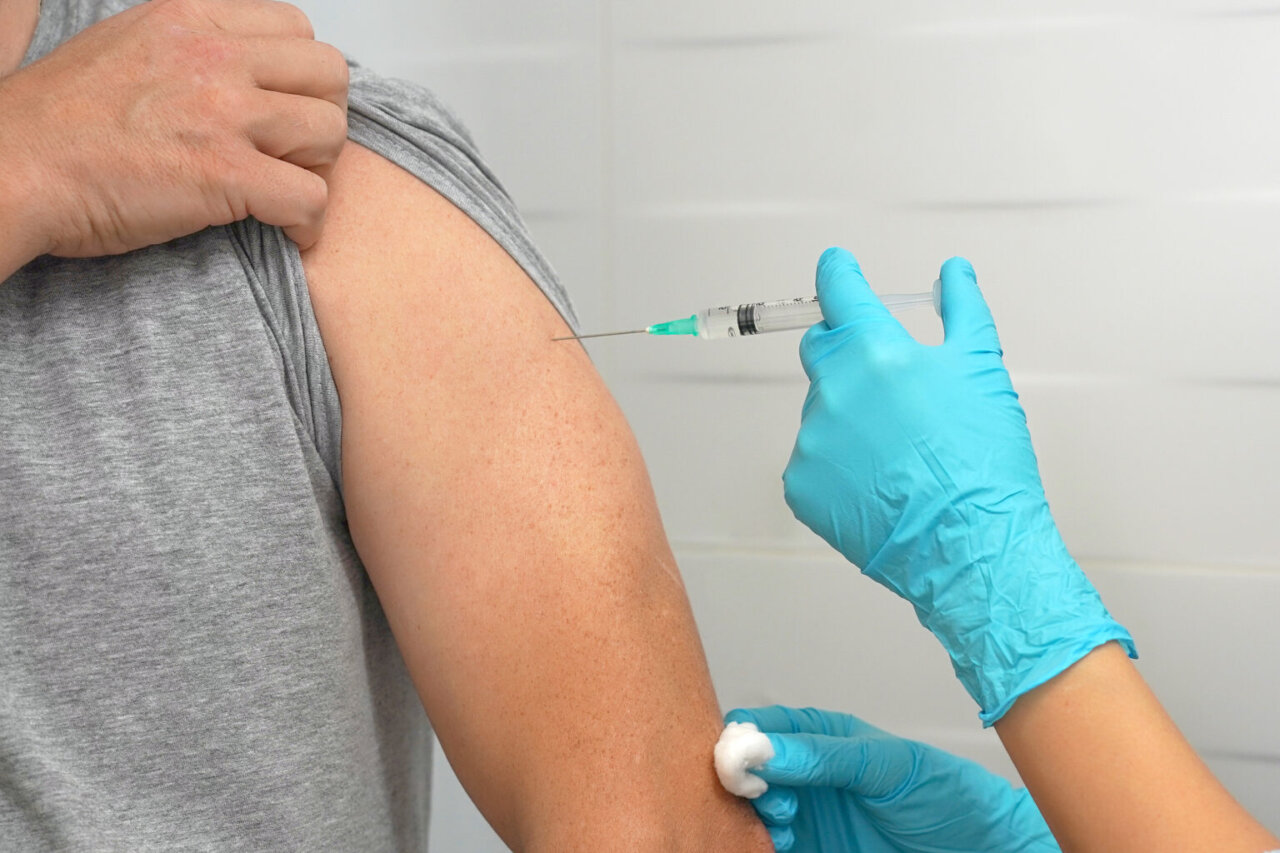
Vaccination, a cornerstone to contain the epidemic
SEMERGEN stresses the «decisive» role of primary care in the management of respiratory infections and in raising awareness of the importance of vaccination, especially among the at-risk population. Family physicians insist on reviewing the vaccination schedule of each patient and on transmitting confidence in the efficacy and safety of vaccines.
The entity also recalls the need to keep vaccination against all preventable infections up to date, including COVID-19 in people over 70 years of age and people with chronic pathologies, whose immunization rates are decreasing due to a lower perception of risk.
Adequate vaccination coverage, they emphasize, helps to avoid the saturation of consultations and emergency services in epidemic periods and reduces the inappropriate use of antibiotics, which contributes to curbing the appearance of bacterial resistance.
In this context, doctors appeal to reinforce basic prevention measures: vaccination, hygiene, ventilation and, when viral circulation is high or in vulnerable environments, even the use of masks, a tool that, they remind us, is still useful to reduce transmission at times of high incidence.