The main Spanish hotel chains with a presence in Venezuela, Meliá Hotels International and Hesperia, remain in a state of maximum vigilance and expectation in view of the evolution of political events following the capture of President Nicolás Maduro by U.S. forces on January 3. The operation has created a power vacuum and has created an institutional limbo in the Caribbean country, a scenario that adds uncertainty to the already fragile operational and economic situation.
Both companies account for the majority of Spanish hotel investment in Venezuela and are cautiously observing the upcoming movements, in a context that could significantly alter their strategic plans and results in the region.
Meliá maintains operations “without incident”.
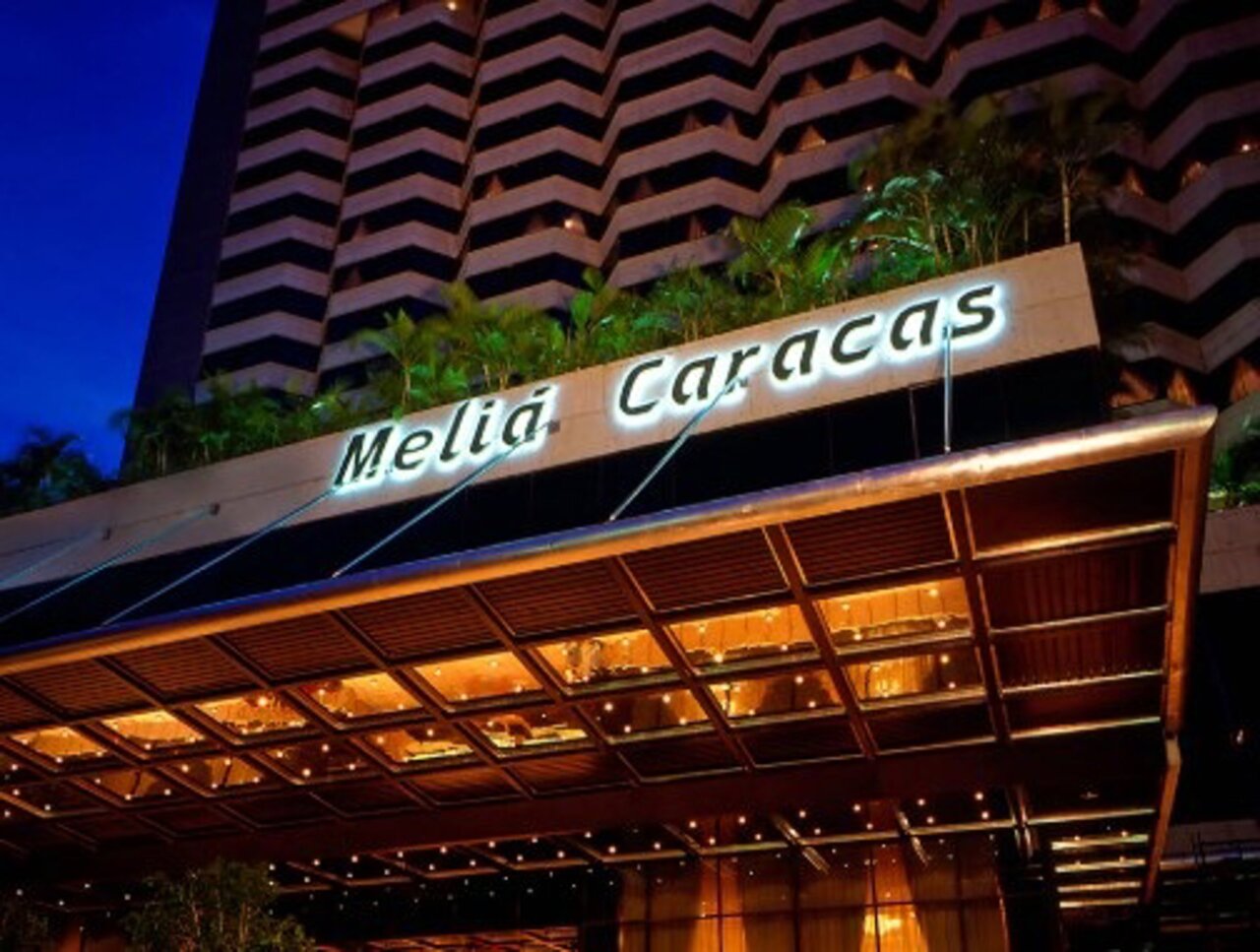
Meliá, the Spanish chain with the strongest historical roots in Venezuela, manages the emblematic Gran Meliá Caracas, a five-star hotel located in the Sabana Grande district and considered the group’s main flagship in the country since the late 1990s.
According to Europa Press, the establishment continues to be listed on the main international booking platforms and the hotel’s specific page on the chain’s official website is still accessible and operating normally. The company assures that, for the moment, the activity is developing “without incident”, although they recognize that they are still waiting for the evolution of the political and security situation in the coming months.
Other major Spanish chains such as NH Hotel Group, Barceló, RIU or Iberostar never had a significant presence in Venezuela or left the country years ago, dragged down by the prolonged economic crisis, hyperinflation, shortages and security problems that have kept inbound tourism at residual levels.
Hesperia, most exposed and most optimistic
Hesperia is the Spanish chain that has shown the greatest commitment to Venezuela in recent years. With more than two decades of presence in the country and a marked “Venezuelan DNA”, according to its executives, the company currently manages several establishments, mainly in vacation destinations such as Isla Margarita (Hesperia Isla Margarita and Hesperia Playa El Agua), as well as hotels in Maracay, Morrocoy and Valencia, where it operates the Hesperia WTC Valencia.
“Hesperia believes in Venezuela because it has Venezuelan roots and has been committed to the country that opened its doors to it for more than 20 years,” the company said months ago, when it defended its role as an agent of social, economic and cultural promotion.
Enrique Castro, CEO of Hesperia World America, announced in July that the chain planned to increase its presence in Venezuela by the end of 2025, with the incorporation of the Hesperia Barquisimeto, which would increase the number of hotels in the country to six. The project had a pre-agreement to operate an urban hotel with more than 100 rooms, a swimming pool, event rooms and a roof top.
Immediate risks and medium-term outlook
The U.S. military operation, which included airstrikes and the arrest of Maduro and his wife in Caracas, has generated immediate instability, with possible temporary airspace closures, disruptions in regional connectivity and increased economic uncertainty.
These factors pose direct operational risks for the international tourism and hotel sector, both in the short term – due to logistical and supply problems – and in the medium term. However, industry sources point out that an eventual transition to greater political stability and economic openness could, in the long term, improve the business climate and attract foreign investment.
The impact is not limited to Venezuela. The Caribbean as a whole, where Majorcan chains such as Meliá, RIU or Iberostar operate strongly, faces possible disruptions in air routes and tourist flows, since Venezuela acts as a corridor for certain regional connections.
With airspace practically closed and no direct commercial flights from Spain – Iberia and Air Europa have suspended operations at least until the end of January – Venezuela does not currently generate relevant demand in Spanish travel agencies.
The Spanish Confederation of Travel Agencies (CEAV) has confirmed that, for now, no recovery in bookings or significant interest in the destination has been detected, with Spanish outbound tourism focused on consolidated European markets, other Caribbean destinations such as the Dominican Republic or Mexico, and emerging long-haul routes.