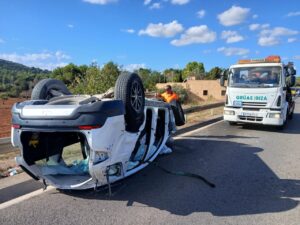

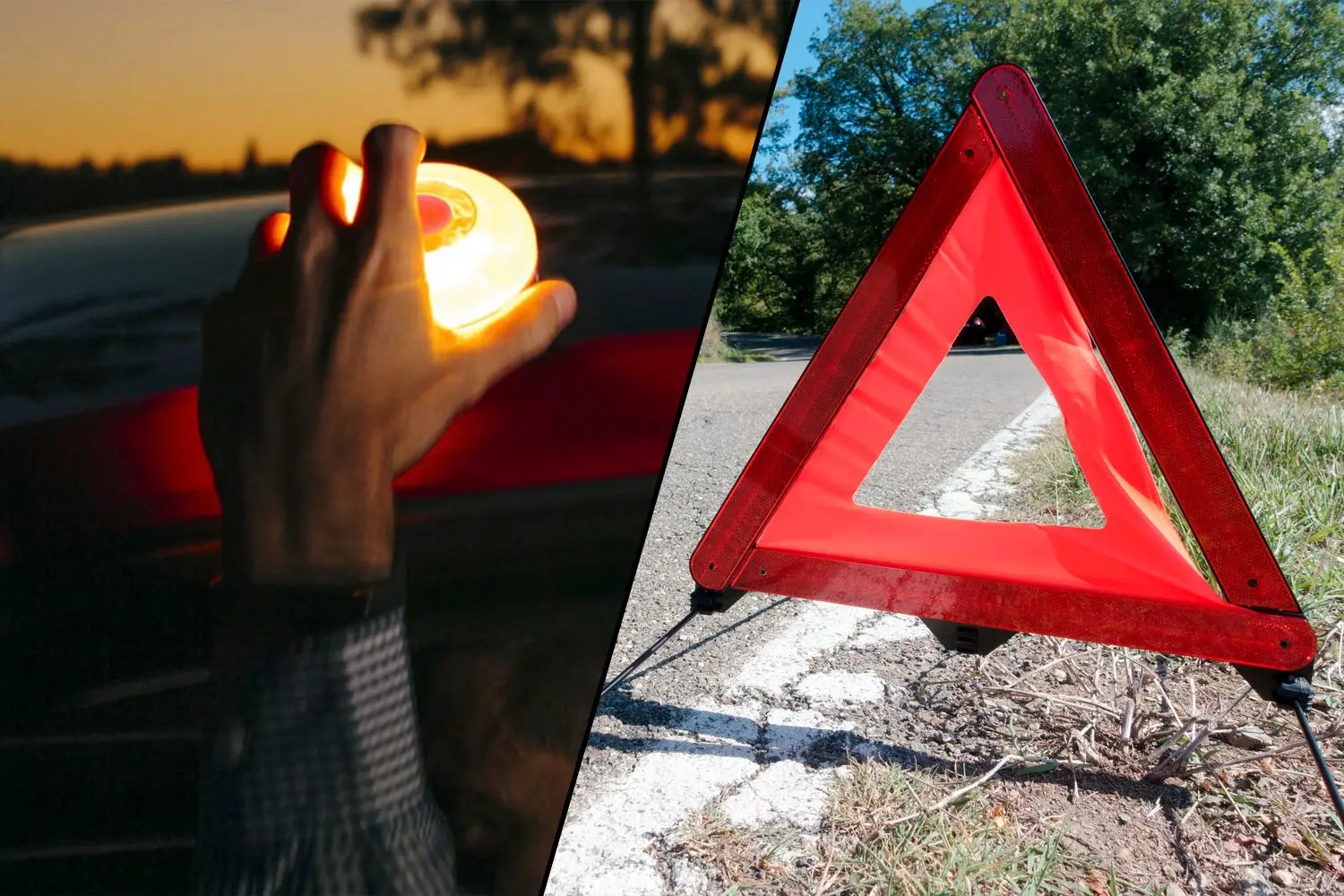
The Directorate General of Traffic (DGT) is working on the implementation of a new road safety mechanism that is once again stirring up the debate on how road emergencies should be signaled. This is the V27 beacon, a system that the agency itself defines as a «virtual triangle» and that will complement (and in some aspects question) the role of the already controversial connected V16 beacon.
While the mandatory nature of the V16 from January 2026 continues to generate doubts, institutional contradictions and technical criticism, the V27 introduces a paradigm shift: it is not a physical object, does not need to be placed on the roadway and will work in an integrated manner in the most modern vehicles.
Confusion over V16 continues to grow
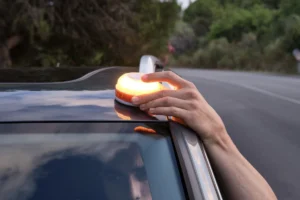
The V16 beacon was born with the aim of replacing the classic emergency triangles and reducing the risk of collisions. However, since its announcement, the regulation has been accompanied by unclear messages: contradictory statements between the DGT, the Guardia Civil and the Director General of Traffic, Pere Navarro, have increased uncertainty among drivers.
While some official messages claim that the V16 will be the only legal means from 2026, others have clarified that the use of triangles would not be sanctioned. This context of confusion has opened the door to a new technological solution that promises to go one step further.
What exactly is the V27 beacon
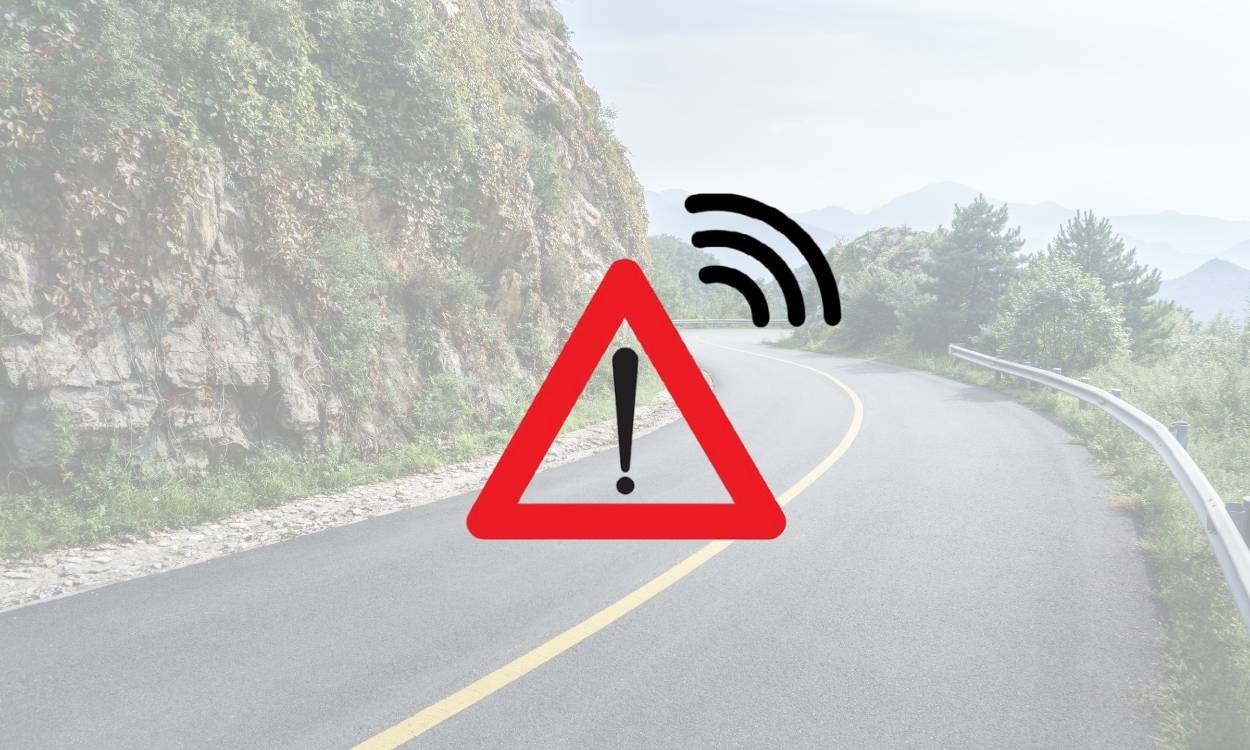
Unlike the V16, the V27 is neither a physical beacon nor an emergency light. It is a digital system integrated into the vehicle, which will work through the car’s software and infotainment systems.
The DGT defines it as a «virtual triangle» because it serves to alert other drivers of an incident on the road, but it does so without the need for the user to leave the vehicle or place any element on the road.
The V27 beacon relies on V2V (vehicle to vehicle) technology and connectivity with the DGT 3.0 platform. When an incident occurs (an accident, a breakdown, an obstacle or any risk situation), the system generates an automatic alert.
This warning appears directly on the instrument panel or on the car’s display, and can also be reflected on variable message panels on highways and freeways. The driver does not have to activate anything manually: the information arrives immediately and centrally.
Main differences between V27 and V16
The comparison between the two systems is inevitable given the repercussions of the issue and the confusion: the connected V16 beacon combines a light signal with the sending of the vehicle’s position to the DGT, but its visual efficiency has been questioned, especially during the day or on stretches with curves and changes in gradient.

The V27, on the other hand, eliminates the visual factor and relies exclusively on digital communication. Among its main differences are the following:
-
No purchase or subscription required.
-
It does not depend on the visibility of a physical light.
-
Integrates directly into the vehicle.
-
It offers bidirectional and real-time alerts.
-
It is free for the user.

Both seek to inform other drivers and the DGT of an incident, but they do so through different channels.
When it will arrive and who will be affected
The DGT expects the V27 beacon to be operational during 2026. It will not be mandatory for all vehicles, but only for newly registered models, which already incorporate the necessary technological systems.
Older cars will not have to upgrade or install additional devices, making V27 a progressive, non-retroactive solution.