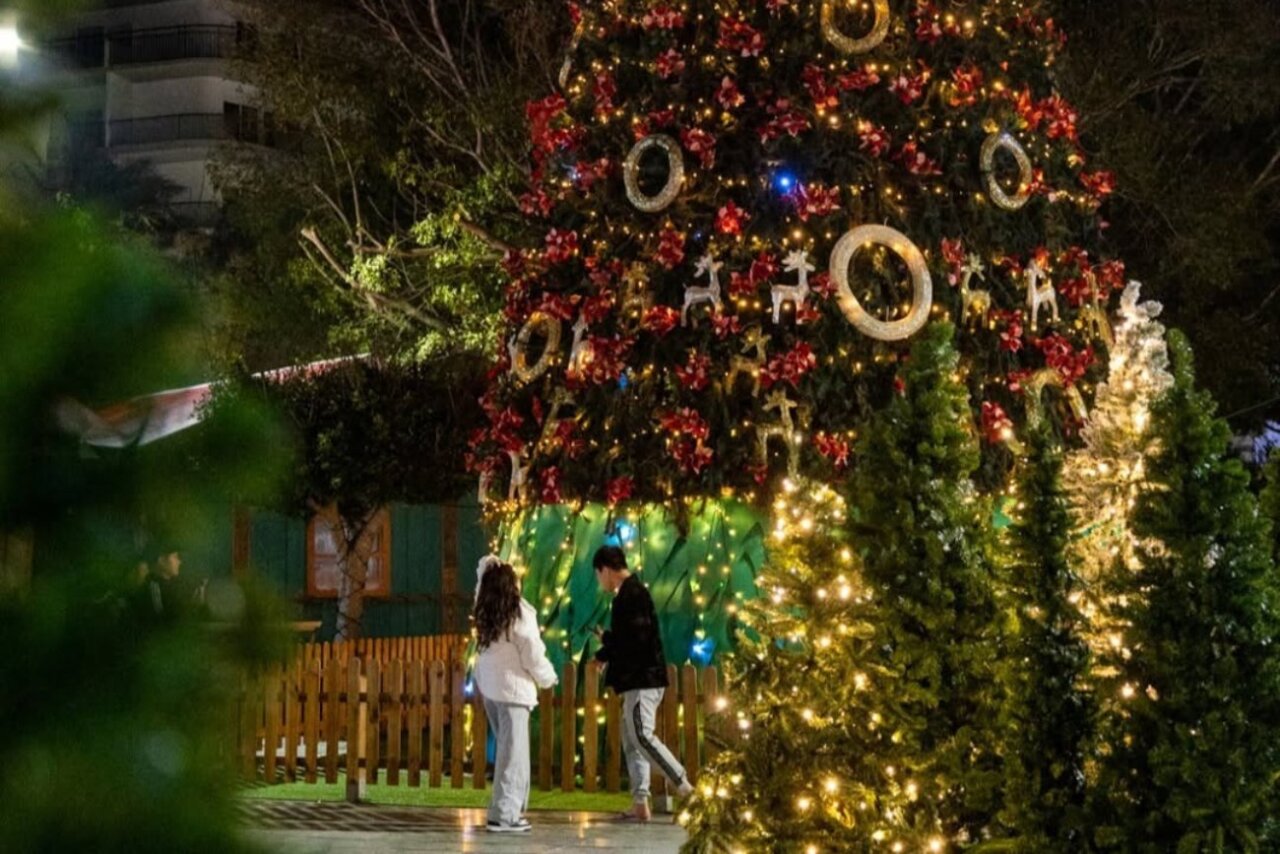
In 2025, residents and visitors to Ibiza face a Christmas that does not end on December 25. That year, December 26 will be a holiday in the entire autonomous community of the Balearic Islands, including the municipality of Ibiza, allowing many people to enjoy a long weekend after Christmas Day and before returning to the work routine.
But why exactly is this day celebrated in the Balearics? Is it an occasional holiday or part of an established tradition? The answer lies in the region’s own history and customs.
An official holiday that extends Christmas
December 26, 2025 appears as a general holiday in the Balearic Islands, according to the official work calendar published for 2025. This means that it is not an extraordinary holiday, but a day recognized with general character for the whole community.
Unlike other holidays that may vary between municipalities or provinces, this day has the same status in Ibiza as in the rest of the Balearic Islands. In fact, it is specifically known as “Segunda fiesta de Navidad” (in Catalan, Segona Festa de Nadal), a denomination that reflects its direct link to Christmas celebrations.
A holiday that coincides with St. Stephen’s Day
Although in the Balearic Islands the expression Segona Festa de Nadal is used, this day also coincides with the feast of St. Stephen (Sant Esteve), traditionally celebrated on December 26 in Catalan-speaking communities. Saint Stephen is considered the first martyr of Christianity, and his date has been linked for centuries to celebrations after Christmas.
This double identification (as a religious day and as an extension of the Christmas holidays) has contributed to make December 26th a consolidated holiday, not only in the Balearic Islands, but also in other regions with a Catalan-speaking tradition.
Cultural origins and family tradition
The existence of the Segona Festa de Nadal is not limited to a simple religious festivity: it is also the result of ancient social traditions. In medieval times, family gatherings during Christmas involved long journeys to the “casa pairal” (the main family home). These journeys did not always make it possible to return on the 25th, especially when distances were long and means of transport were scarce.
Thus, the day of the 26th became a second festive day within the Christmas period, giving families time to get together, rest and make the return trip. This custom was consolidated over time in the collective imagination and gave rise to popular sayings such as: “Per Nadal, cada ovella al seu corral; per Sant Esteve, cada ovella a casa seva”. This traditional saying summarizes the idea that, after the meetings on Christmas Day, the following day, the day of San Esteve or Segona Festa de Nadal, is a day for everyone to return to their own home.
La Segona Festa in Ibiza and the Balearic Islands
In Ibiza and throughout the Balearic Islands, the Segona Festa de Nadal remains in force as a general holiday, being a day that complements the celebrations of December 25. The fact that in 2025 it falls on a Friday helps to create an extended holiday period for many workers and students, linking with the following weekend.
In addition to December 26, in the Balearic Islands there are other holidays with a more local character or linked to regional traditions, such as the Segona Festa de Pasqua (Easter Monday), which is also part of the traditional holiday calendar in the community.
Tradition is kept alive
In Ibiza, as in the rest of the Balearic Islands, the celebration of December 26th continues to be an opportunity to extend family gatherings, enjoy the local gastronomy or simply rest after the intense days of Christmas. Although in many cases the most important celebrations are concentrated on Christmas Eve and December 25 itself, the Segona Festa de Nadal offers an additional space to share time with family and friends or to carry out activities that did not fit in the previous dates.
The fact that this day is officially included in the Balearic working calendar and does not depend on circumstantial or circumstantial decisions indicates that it is a consolidated tradition with deep historical and cultural roots.