The Balearic Government has closed 2025 with record figures in the fight against the illegal rental of recreational boats, after initiating 162 sanctioning proceedings throughout the archipelago, with proposed fines amounting to 471,600 euros.
-
The “Sea Police” of Ibiza and Formentera paralyzed by a bureaucratic process
-
Point by point, how will be the new decree for nautical charters
The actions have been coordinated by the Directorate General of Ports and Maritime Transport, as part of an intensified control campaign of nautical charter.
The increase of the controls has allowed to detect a large volume of irregular practices in the charter activity in the Balearic coast. “The intensification of the actions allows detecting, sanctioning and preventing charter activities that do not comply with the legal requirements“, points out the autonomous Executive.
Civil Guard and Customs Surveillance complaints
Of the 162 cases opened, 95 have been classified as minor offenses, 63 as serious and 4 as very serious. To date, 114 cases have already been resolved, while another 48 are still being processed.

Most of the proceedings were initiated as a result of reports and complaints filed by the Guardia Civil and the AEAT Customs Surveillance Service, totaling 116 procedures.
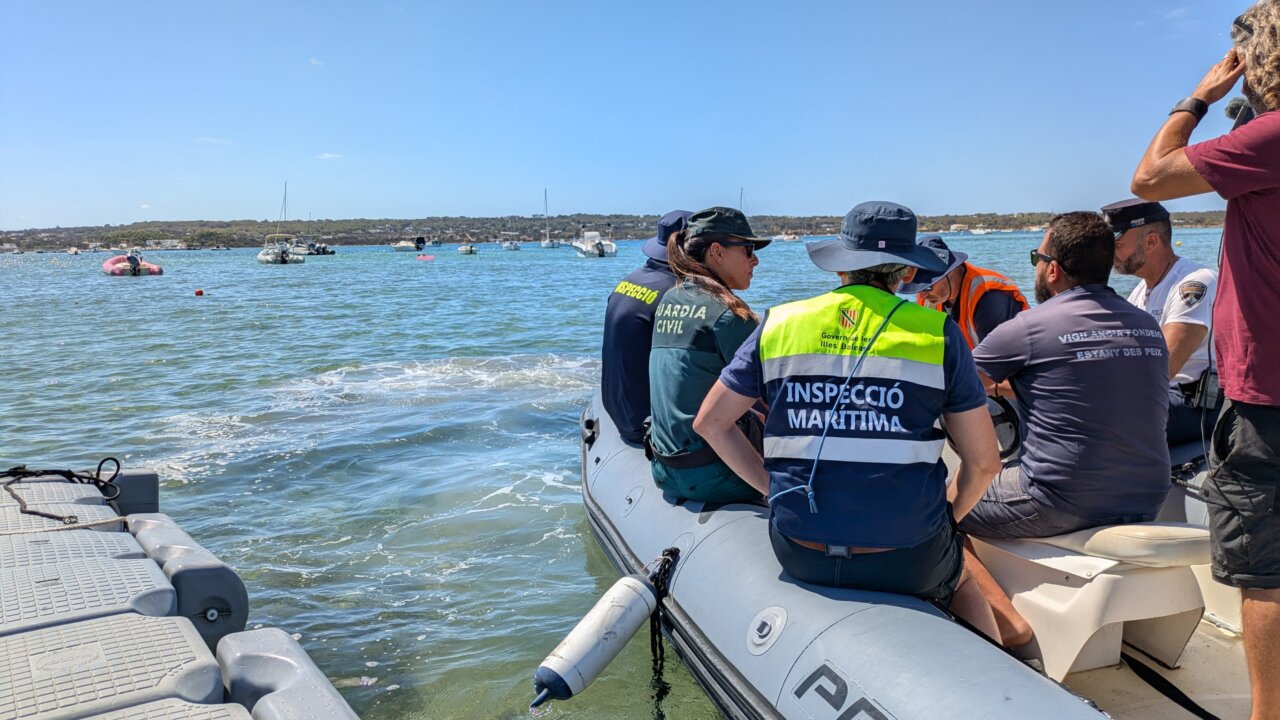
The remaining 46 files have their origin in inspections carried out directly by Government technicians, both in documentary reviews and on board the vessels.
More control at sea and on the coastline
The Government stresses that the 2025 data confirm an upward trend in the prosecution of irregularities affecting both maritime safety and the protection of the marine environment. In addition, they warn that there are still to be processed another 56 complaints already received.
In parallel, Ports IB is deploying a new coastal surveillance and inspection service, with a specific fleet of vessels and qualified inspection personnel. This system also incorporates a centralized coordination that allows to act more effectively in times of high nautical pressure, especially during the summer.
The new surveillance model seeks to reinforce the control of coastal uses, ensure compliance with nautical regulations and preserve the safety of users.
“It reinforces the action against irregular practices, especially in periods of increased nautical activity,” they emphasize from the Executive.